

The past reimagined on canvas
‘Between Mist and Meridian’ explores landscapes of Arab memory
“Between Mist and Meridian” presents the works of three Arab artists in an exhibition that examines how personal histories evolve into collective cultural narratives.
Thursday 25/06/2026
The past reimagined on canvas
JEDDAH – Memory, identity and cultural inheritance converge in a new exhibition at Hafez Gallery that brings together three distinguished Arab artists whose lives and careers were shaped by a shared chapter in Moscow, yet unfolded across very different artistic and geographical landscapes.
“Between Mist and Meridian” presents the works of Yemeni painter Hakim al-Akel, Saudi artist Abdelsattar al-Mussa and Kuwaiti artist Thuraya al-Baqsami in an exhibition that examines how personal histories evolve into collective cultural narratives.
Though separated by generation, nationality and artistic style, the three artists share a common educational foundation at Moscow’s prestigious Surikov State Academy of Fine Arts. The exhibition explores how that formative experience influenced their development while allowing each to cultivate a distinctive visual language rooted in Arab identity.
At its core, the exhibition investigates the enduring relationship between people and place. Through paintings rich in symbolism, atmosphere and memory, the artists reveal how landscapes, traditions and lived experiences become embedded within personal and collective consciousness.
For Akel, memory is inseparable from geography. His celebrated “Mountain Nymphs” series revisits the mountain villages and valleys of Yemen, where women emerge from swirling mist and disappear into twilight landscapes. The works blur the line between reality and imagination, transforming recollection into visual poetry.
Drawing on memories of women traversing mountain paths at dawn and dusk, Akel creates dreamlike compositions in which human figures and landscapes merge into a single emotional terrain. His canvases evoke songs carried across valleys, traditional clothing and the rhythms of rural life, preserving fragments of a world that exists as much in memory as in reality.
Mussa’s approach is markedly different. Working largely in monochrome, he strips away visual distractions to focus on the emotional essence of his subjects. His figurative works from the 1980s portray ordinary people with dignity and quiet strength, transforming portraiture into a form of social testimony.
Rendered in restrained black-and-white tones, his paintings preserve the spirit of a generation while reflecting broader cultural and historical realities. The figures become repositories of memory, embodying resilience, identity and shared experience.
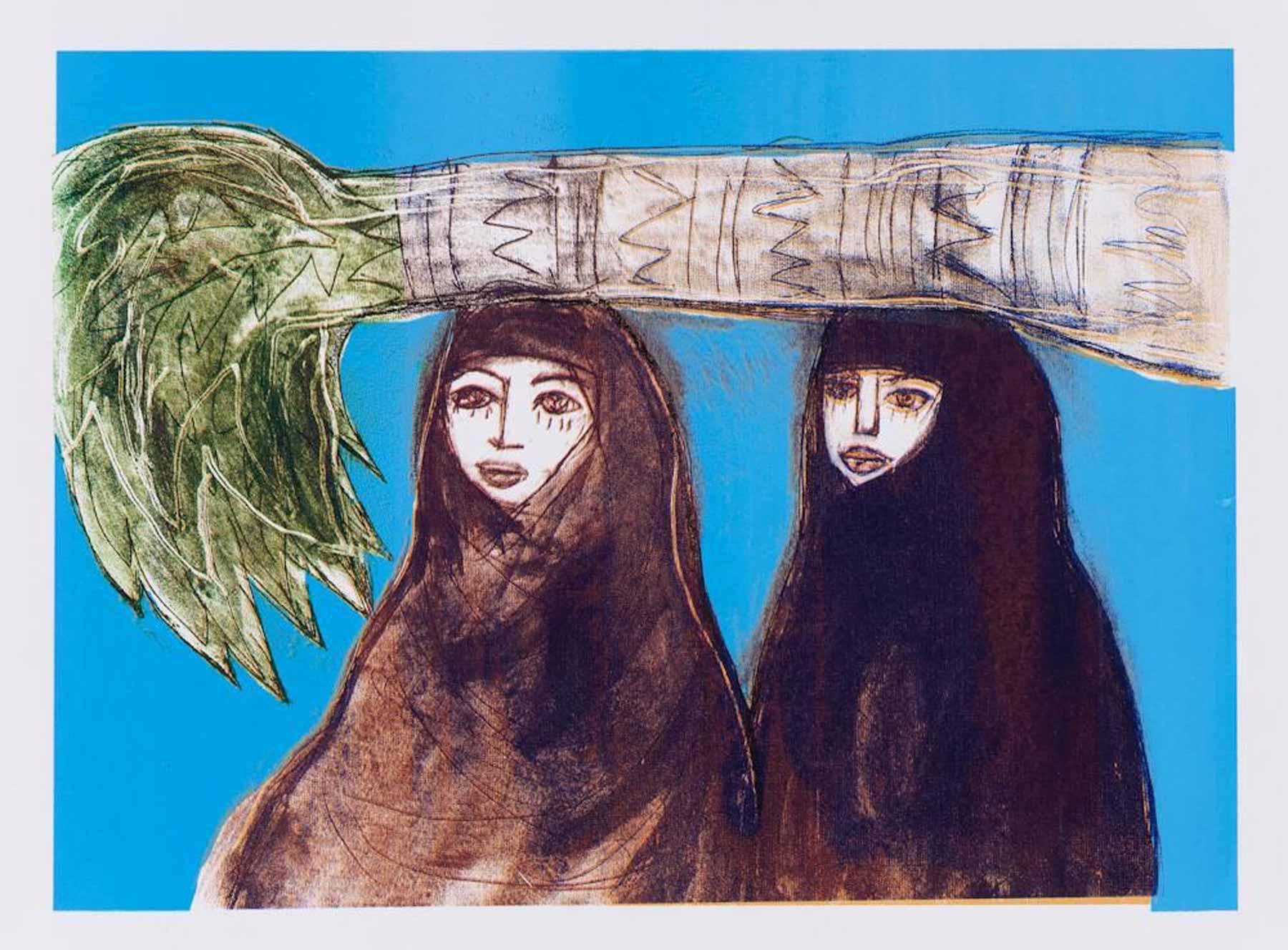
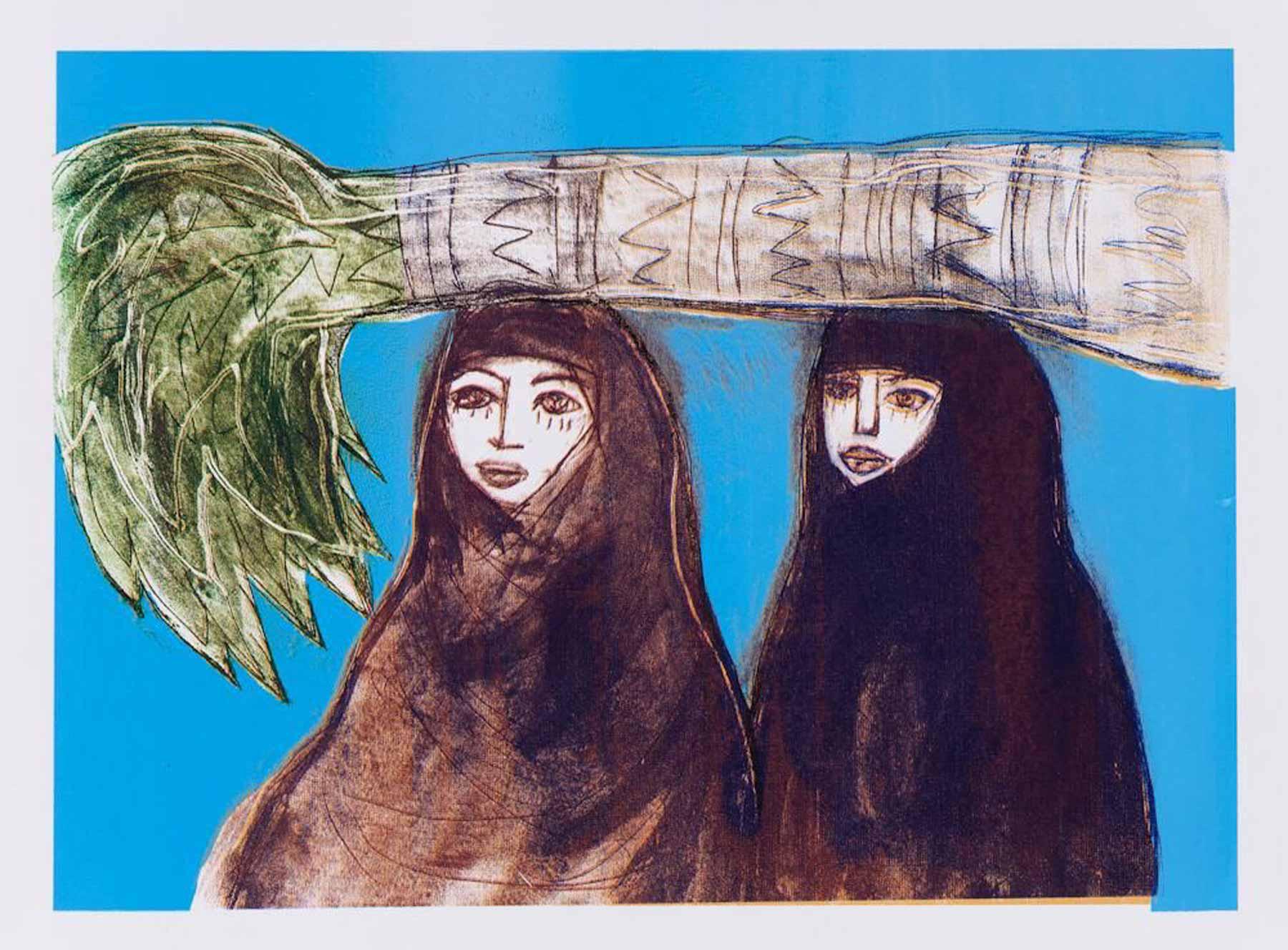
The exhibition takes another turn with the vibrant work of Baqsami, one of the Gulf’s most influential contemporary artists. Her paintings place women at the centre of cultural life, not as passive subjects but as active custodians of heritage and identity.
Drawing inspiration from Gulf folklore, everyday traditions and Arab social history, Baqsami constructs powerful visual narratives that celebrate women as creators, transmitters and protectors of cultural memory. Through bold colour and symbolic imagery, she explores themes of belonging, freedom and social consciousness.
Together, the three artists create a dialogue that stretches across generations and borders, demonstrating how memory can serve both as a personal archive and a shared cultural resource.
For Hafez Gallery, the exhibition continues its commitment to showcasing leading voices from across the Arab world while fostering conversations about identity, heritage and contemporary artistic expression.