

The issue of succession has become increasingly sensitive
Abbas son’s rise in Fatah fuels fears of political dynastic succession
Barghouti’s continued popularity within Fatah and among Palestinians more broadly acts as a counterweight to any perception that leadership succession could evolve into a closed or family-based process.
Monday 18/05/2026
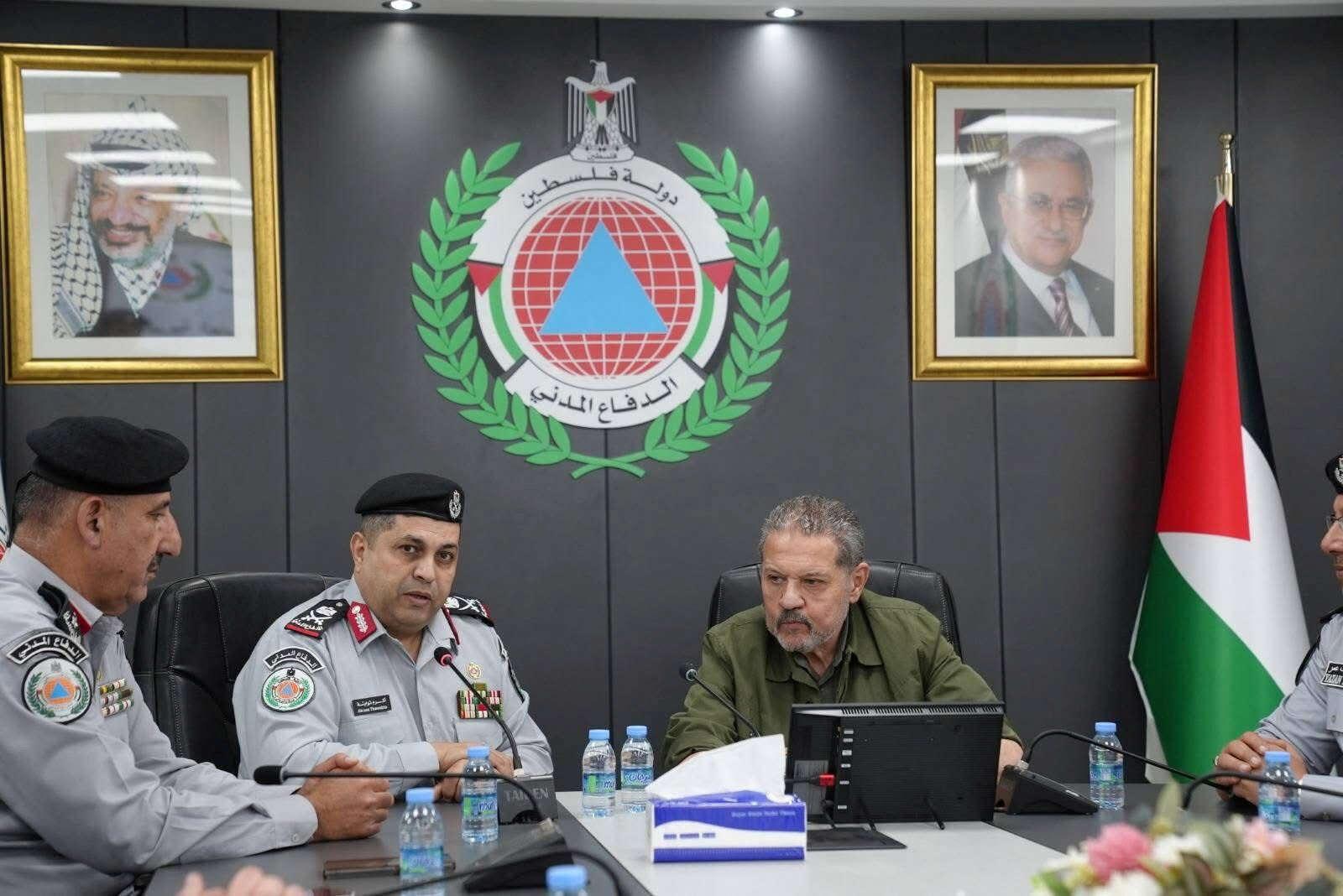
The issue of succession has become increasingly sensitive
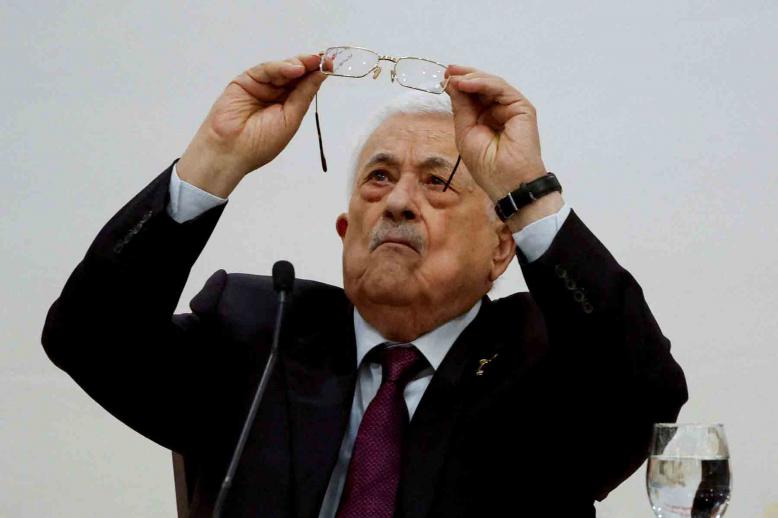
RAMALLAH, West Bank – The election of Yasser Abbas, the eldest son of Palestinian President Mahmoud Abbas, to the Central Committee of the dominant Fatah movement has revived long-running debate over political succession within the Palestinian leadership at a time of mounting internal divisions and growing international pressure for reform.
Yasser Abbas secured a seat on Fatah’s highest decision-making body during the movement’s general conference, which concluded late on Saturday in what observers described as a politically significant moment extending far beyond a routine internal organisational reshuffle.
The conference was widely viewed as an early indicator of the balance of power being shaped ahead of the eventual post-Abbas era. Mahmoud Abbas, 90, has led the Palestinian Authority, the Palestine Liberation Organization and Fatah for more than two decades and remains chairman of the movement.
Although Yasser Abbas, 64, has never traditionally been among the most prominent figures within Fatah’s organisational structures, his political profile has grown steadily in recent years, particularly after he was appointed around five years ago as the president’s special representative, a role that enabled him to become involved in political, economic and diplomatic files.
Alongside that political role, he has maintained extensive business interests in telecommunications, energy and investment sectors in the Israeli-occupied West Bank, reinforcing his influence within Palestinian political and economic circles.
Critics of the Palestinian Authority say his rise to Fatah’s top leadership body strengthens perceptions that there is an effort to preserve family influence within the Palestinian political system, particularly in the absence of presidential and parliamentary elections for many years and amid deepening institutional stagnation.
The Palestinian Authority, established under the Oslo Accords as an interim administration in parts of the West Bank and Gaza, has increasingly faced accusations from critics of corruption, concentration of power and lack of political participation. Mahmoud Abbas, whose presidential mandate expired in 2009, has continued to govern by decree, allegations he and his allies reject.
The issue of succession has become increasingly sensitive as regional and international actors intensify calls for political and institutional reform within the Palestinian Authority, especially amid discussions over Gaza’s future governance after the war.
Observers said many within Fatah had hoped the latest conference would provide an opportunity for broader renewal by introducing younger leaders and restructuring the movement’s leadership. Instead, the results largely reflected the continued dominance of established political and security figures.
Senior officials including Hussein al-Sheikh, Mahmoud al-Aloul, Jibril Rajoub and Tawfiq Tirawi retained their positions on the Central Committee, while new figures such as intelligence chief Majed Faraj and former Al-Aqsa Martyrs Brigades commander Zakaria Zubeidi also won seats.
The results also underlined the enduring popularity of imprisoned Fatah leader Marwan Barghouti, who reportedly received the highest number of votes despite being held in an Israeli prison since 2002.
Analysts said Barghouti’s continued popularity within Fatah and among Palestinians more broadly acts as a counterweight to any perception that leadership succession could evolve into a closed or family-based process, given his long-standing symbolic status within the Palestinian national movement.
Supporters of Yasser Abbas rejected accusations of political inheritance, arguing that his election was the result of an internal democratic vote rather than a decision imposed by the leadership. They say his business and administrative background could prove useful in managing future reconstruction, investment and diplomatic efforts.
Nonetheless, comparisons with past Arab political systems associated with hereditary succession have persisted, comparisons that carry particular sensitivity within the Palestinian political context, historically rooted in collective national struggle and liberation politics.
The debate comes as the Palestinian political system approaches a potentially volatile transition period marked by Mahmoud Abbas’ advanced age, the absence of a clear succession mechanism, continuing divisions between Fatah and Hamas and the broader political and security fallout from the Gaza war.
During an Arab summit in Cairo earlier this year, Abbas pledged reforms within the Palestinian Authority, the PLO and Fatah, promising to inject “new blood” into the institutions and restructure parts of the leadership apparatus. Since then, some changes have been introduced within the security services and official institutions.
However, critics argue the reforms remain largely confined to the ruling elite itself and fall short of broader political change, including long-delayed elections, wider public participation and restructuring of PLO institutions.
Analysts also believe growing Arab and US pressure for reform is closely tied to discussions over Gaza’s post-war future, with international actors increasingly viewing Palestinian Authority reform as a prerequisite for restoring its political legitimacy and enabling it to play a future role in governing the enclave.
Against that backdrop, Yasser Abbas’ election has been interpreted not simply as an internal Fatah success but as part of a wider struggle within the Palestinian leadership over succession, reform and the future direction of the Palestinian political system.
While Fatah leaders insist the conference results reflect the movement’s vitality and institutional renewal, critics argue that the continued dominance of longstanding figures alongside the rise of the president’s son will deepen public scepticism over whether meaningful reform is truly possible inside the Palestinian Authority.