

Trying to engage thoughtfully with modernity
Al-Azhar denies rift with Egyptian state, backs religious renewal
The Grand Imam said that reform efforts did not begin in recent years but have been ongoing for more than a decade.
Thursday 15/01/2026
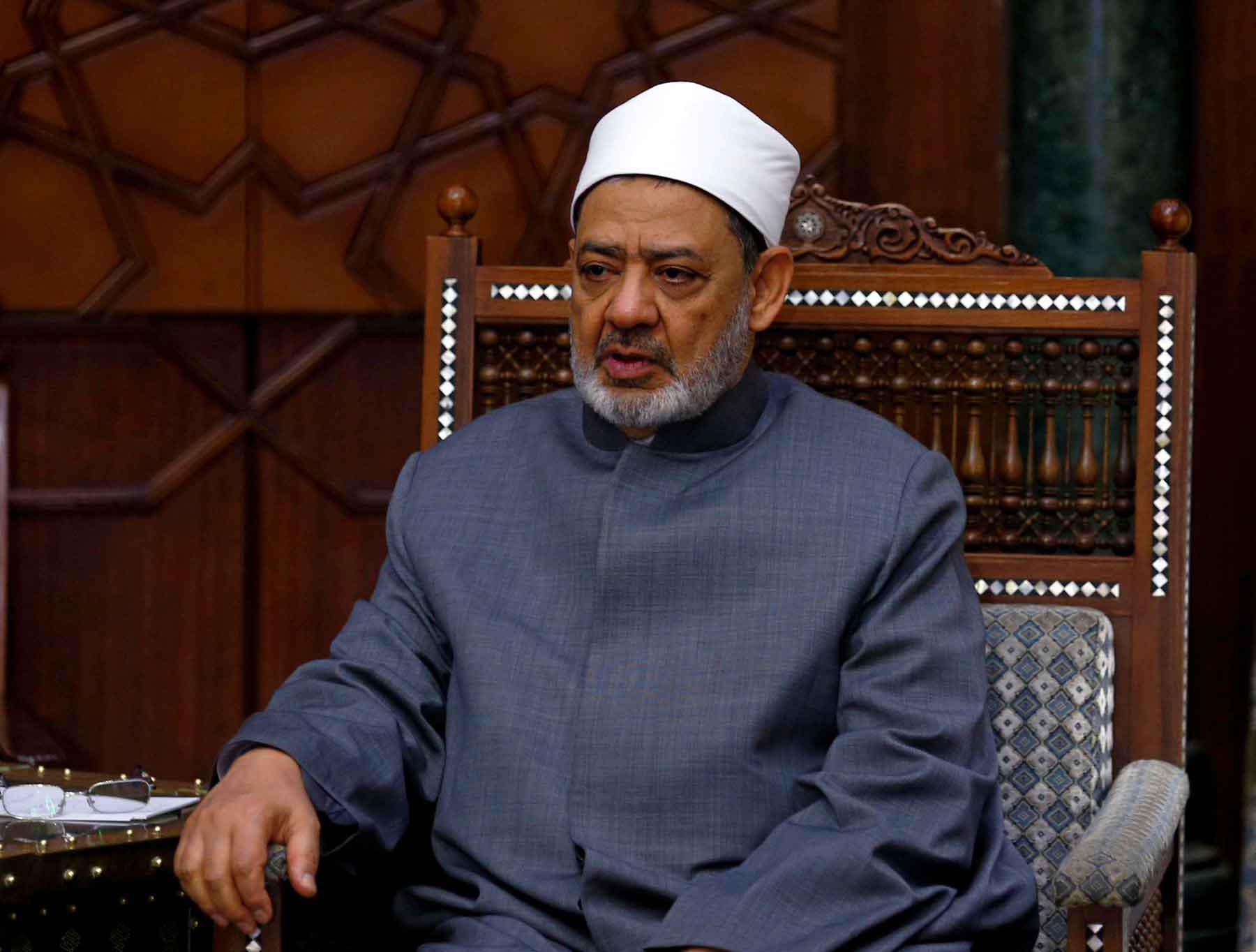
Trying to engage thoughtfully with modernity
CAIRO –
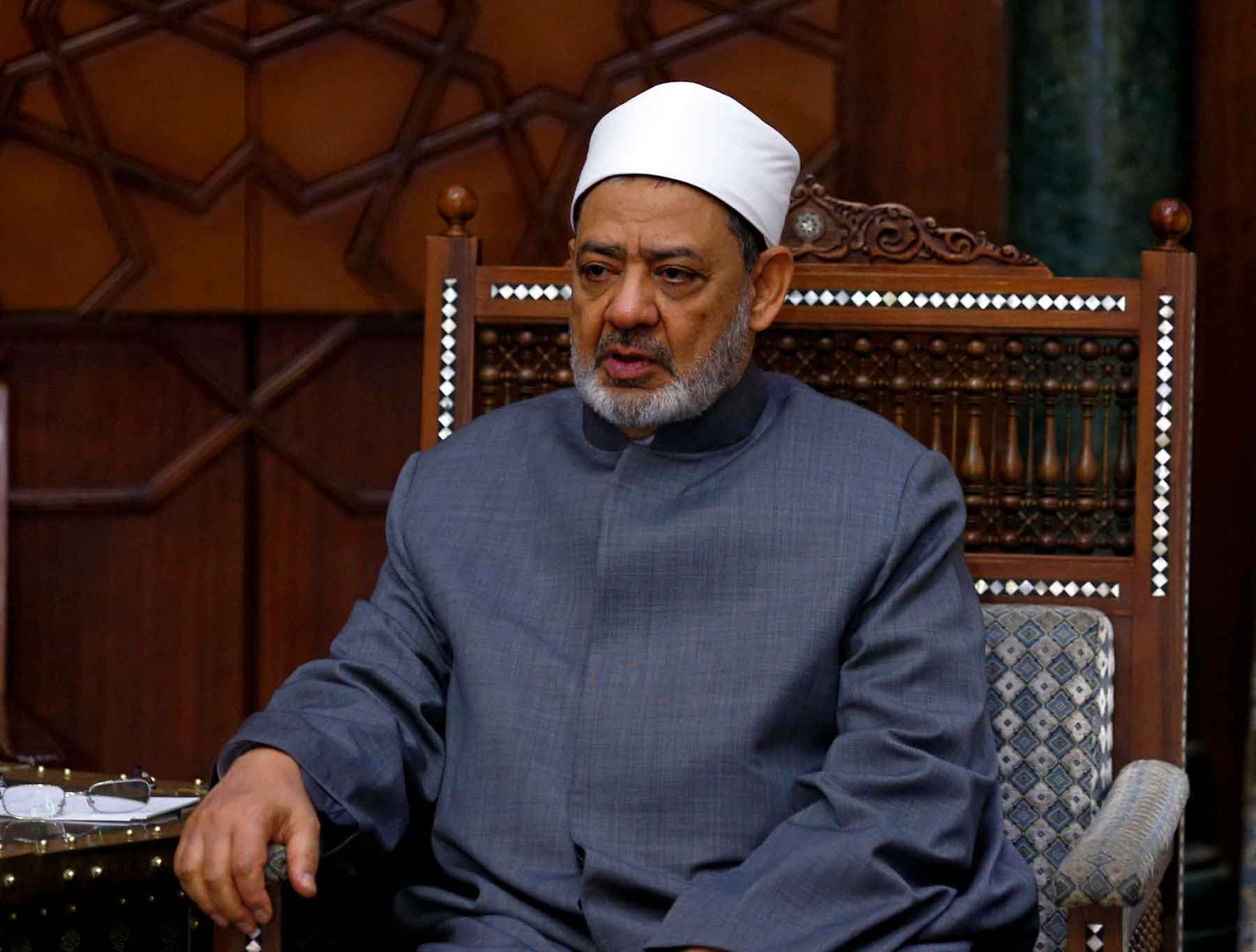
Egypt’s Grand Imam Ahmed al-Tayeb issued a firm rebuttal to recurring claims of tension between Al-Azhar and the Egyptian state, stressing that relations with President Abdel Fattah al-Sisi and state institutions remain strong and cooperative and rejecting accusations that the religious authority has obstructed efforts to renew Islamic discourse.
In wide-ranging remarks to Sawt Al-Azhar, Tayeb described reports of discord as fabricated narratives aimed at sowing division and undermining trust in long-established national institutions. He said such claims were detached from reality and ignored the central role played by both Al-Azhar and the state in maintaining Egypt’s stability during periods of upheaval.
The Grand Imam emphasised that President Sisi, since assuming office, has consistently sought to unite Egyptians and foster cooperation and mutual respect among state institutions, rather than create friction as critics allege.
Practical backing, not symbolic support
Tayeb said presidential backing for Al-Azhar had gone far beyond public praise, translating into concrete political and institutional support that strengthened the religious body’s standing at home and abroad. He cited President Sisi’s sponsorship of major Al-Azhar conferences addressing issues such as citizenship, Jerusalem and interfaith dialogue, as well as sustained support for the institution’s educational and scholarly projects and respect for its historical mandate.
He also underlined Al-Azhar’s role during Egypt’s confrontation with terrorism, saying its scholars were at the forefront of the ideological struggle against extremism.
By dismantling radical narratives and correcting distorted religious concepts exploited by militant groups, Al-Azhar contributed to national security alongside other state institutions, he said, describing coordination at the time as “ideal” and rooted in a shared sense of national responsibility.
A global religious reference point
According to Tayeb, President Sisi’s appreciation of Al-Azhar predates his presidency. He noted that the president regularly highlights Al-Azhar’s role in promoting moderation and countering extremist ideology during meetings abroad, particularly in Muslim-majority countries, reinforcing its status as a globally respected religious authority.
Looking ahead, the Grand Imam expressed hope that the coming year would see the opening of Al-Azhar’s new library, a project he described as a major cultural and scholarly milestone. He praised the support of UAE President Sheikh Mohammed bin Zayed Al Nahyan for the initiative, saying it reflected the depth of Arab cooperation in backing moderate intellectual institutions.
Tayeb also welcomed President Sisi’s approval to sponsor the next edition of the Islamic-Islamic Dialogue Conference, due to be held in Cairo in cooperation with the Muslim Council of Elders. He said the decision demonstrated confidence in Al-Azhar’s ability to bring together diverse Islamic schools of thought and strengthen a unifying discourse across the Muslim world.
Defending Al-Azhar’s reform record
Responding to allegations that Al-Azhar stands in the way of religious renewal, Tayeb said such criticism often comes from individuals unfamiliar with the institution’s work. He stressed that renewal has been integral to Al-Azhar’s mission since its founding, and that this approach was clearly reflected in the 2020 Global Conference on the Renewal of Islamic Thought, held under presidential patronage.
That conference tackled contentious issues such as excommunication, governance and citizenship, and presented a comprehensive vision of the modern state, human rights and coexistence, he said.
The Grand Imam added that reform efforts did not begin in recent years but have been ongoing for more than a decade, encompassing curriculum development, the publication of key intellectual documents and the organisation of international conferences.
Renewal, he argued, is a cumulative process that neither abandons religious heritage nor freezes it in time.
Tayeb concluded by warning against two opposing extremes: one that calls for the wholesale rejection of Islamic heritage, and another that refuses any engagement with modern realities.
Al-Azhar’s approach, he said, is to preserve and benefit from the richness of tradition while engaging thoughtfully with modernity, enabling younger generations to participate positively in global civilisation without sacrificing their religious identity.