

Economists have warned that without genuine reforms to develop non-hydrocarbon sectors, Algeria risks facing a more severe economic crisis in the coming years
Algeria's foreign currency reserves tumble
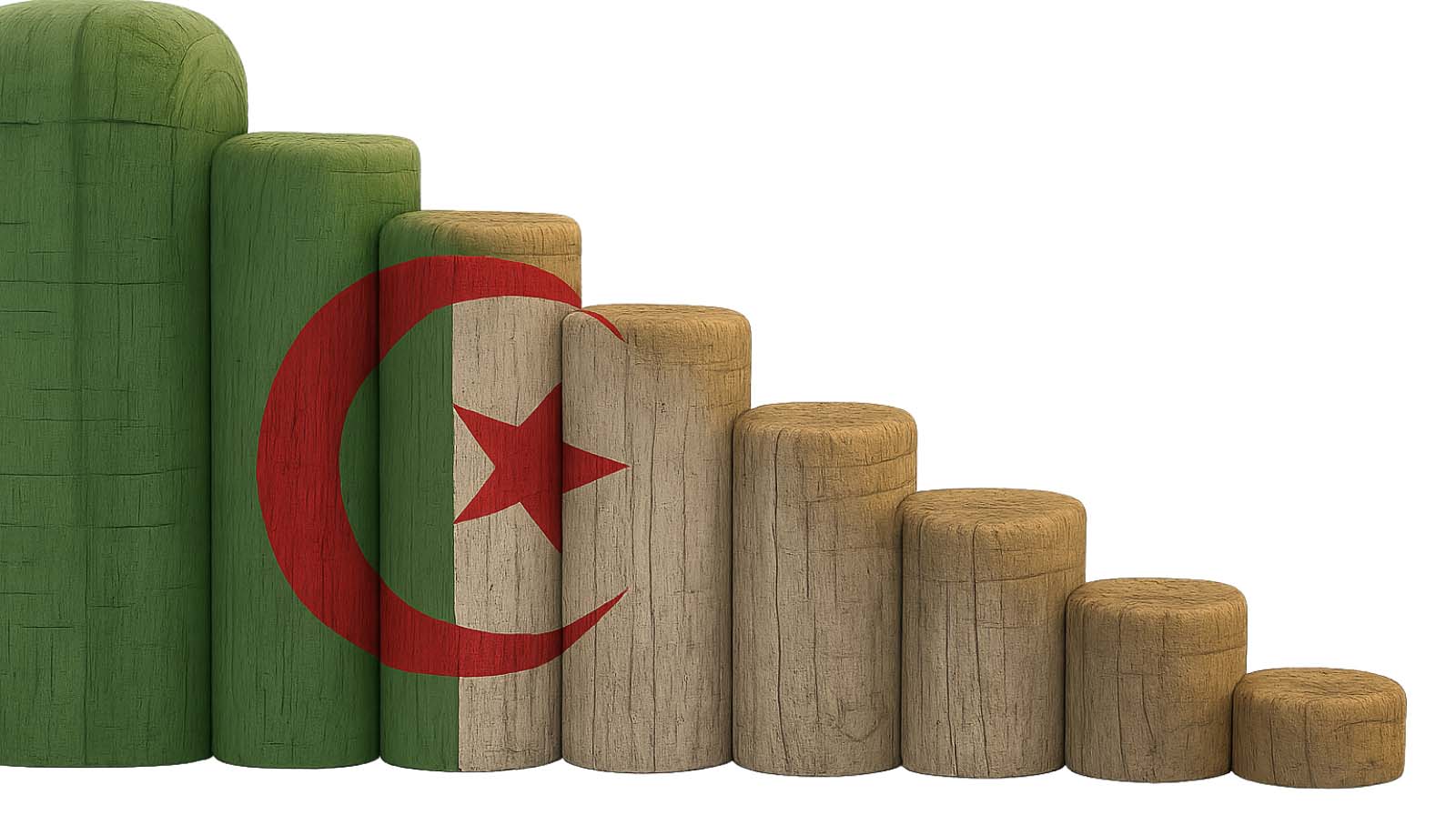
The North African country’s reserves have experienced a marked decline, dropping to their lowest levels in years and flashing a warning signal about the country's heavy reliance on volatile energy markets.
Tuesday 10/02/2026
Economists have warned that without genuine reforms to develop non-hydrocarbon sectors, Algeria risks facing a more severe economic crisis in the coming years
ALGIERS - Algeria's substantial cushion of foreign currency reserves, a long-standing buffer for the North African economy, is showing signs of significant strain.
After a period of relative stability, the nation's reserves have experienced a marked decline, dropping to their lowest levels in years and flashing a warning signal about the country's heavy reliance on volatile energy markets.
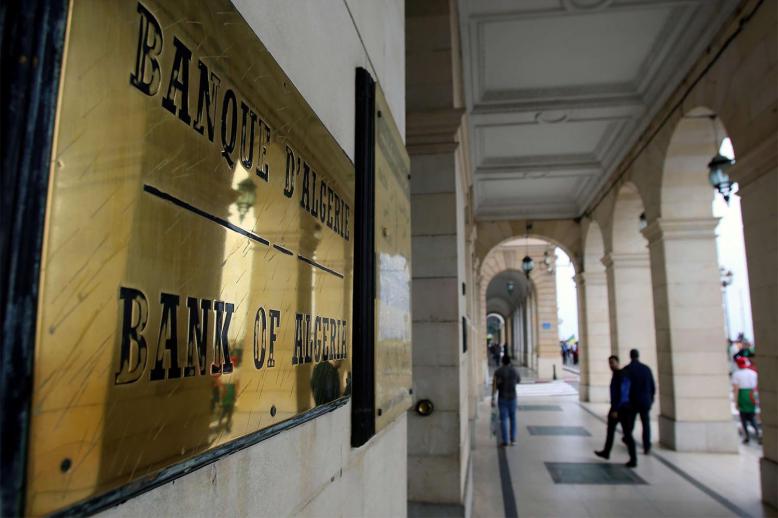
Recent data paints a concerning picture. After standing at $51.4 billion at the beginning of 2025, the country's foreign reserves fell sharply to $39.6 billion by the end of June, according to the Bank of Algeria.
More recent figures show a continued downward trend, with reserves measured at $47.1 billion in October 2025. This is a dramatic drop from the peak of nearly $194 billion recorded in 2013, a time when high oil prices filled the state's coffers.
The primary driver behind this rapid depletion is the country's "structural fragility," as noted by its own central bank.
The Algerian economy remains overwhelmingly dependent on hydrocarbons, which account for roughly 84% of exports and nearly half of all government revenue.
A recent dip in global oil and gas prices has consequently delivered a direct blow to the nation's income.
Compounding the issue is a surge in the country's import bill. An increase in the purchase of goods, particularly food items and industrial equipment, has accelerated the outflow of foreign currency.
While the government has ramped up public spending to fuel investment and support domestic demand, this has widened the budget deficit, putting further pressure on the nation's finances.
The combination of falling export revenues and rising import costs has caused the country's once-healthy trade surplus to evaporate.
The shrinking reserves have led to a depreciation of the Algerian dinar and have prompted calls from international bodies and local experts for urgent and meaningful economic diversification.
Economists have warned that without genuine reforms to develop non-hydrocarbon sectors, Algeria risks facing a more severe economic crisis in the coming years.
Despite the worrying trend, the situation is not yet critical. The current reserves are still estimated to cover more than a year of imports, a relatively comfortable position.
International financial institutions like the IMF and the World Bank project continued economic growth for Algeria, buoyed by activity in the non-hydrocarbon sectors.
Inflation has also shown signs of easing.
Nevertheless, the rapid decline in foreign reserves serves as a stark reminder of the vulnerabilities inherent in an economy so closely tied to the fortunes of a single commodity.