

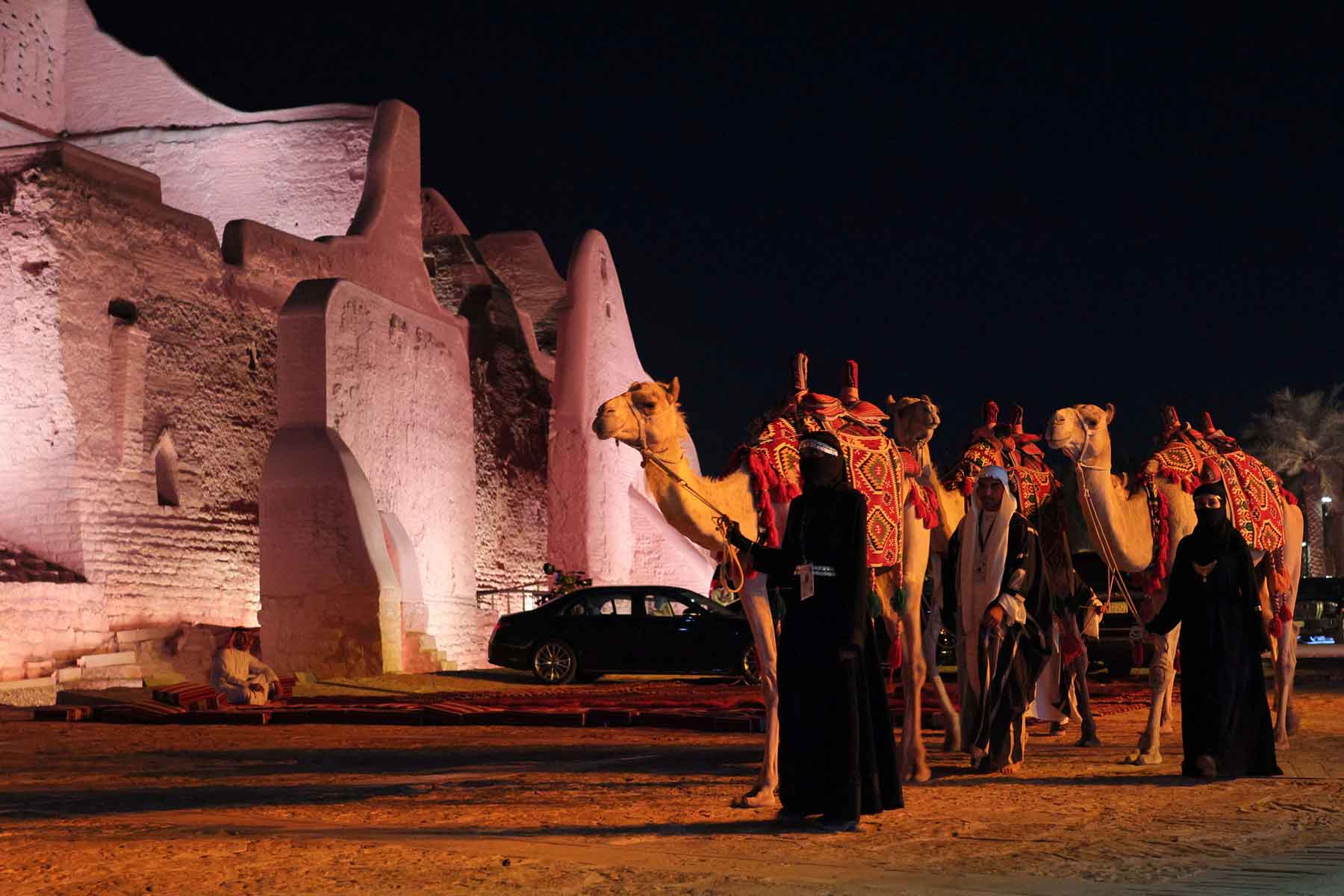
Honouring the past.
From ancient landscapes to modern museums, Gulf countries reclaim heritage
Modern Gulf museums are conceived as living institutions rather than static repositories.
Wednesday 17/12/2025
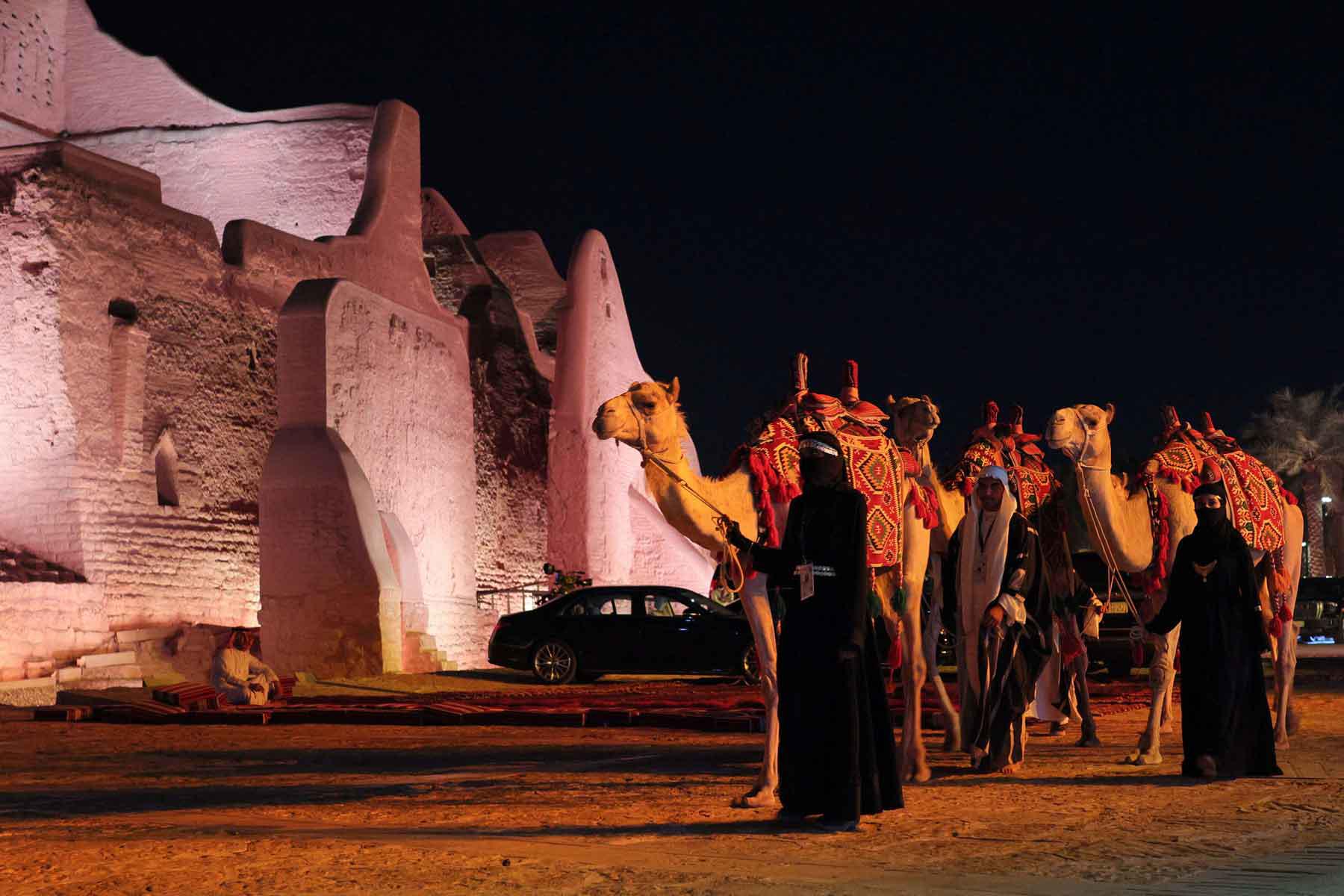
Honouring the past.
ABU DHABI -
The Gulf is experiencing a remarkable cultural renaissance. From prehistoric landscapes to state-of-the-art museums, the region is asserting itself as a hub of heritage, scholarship and creativity, crafting a narrative that spans millennia. This surge in investment not only celebrates the past but also signals the Gulf’s ambition to become a global centre for arts, archaeology and history.
Sharjah’s Faya Palaeolandscape, inscribed on UNESCO’s World Heritage list in July, exemplifies this vision. Covering 95,000 hectares, Faya preserves one of the longest uninterrupted records of archaic human habitation, dating back more than 210,000 years. Its recognition places the UAE alongside Al Ain and over a dozen other Gulf heritage sites, highlighting not only the nation’s connection to the earliest chapters of human history but also the wider region’s drive to lead in cultural and scientific stewardship.
This revival extends across the Gulf. In Saudi Arabia, the pointed arches of Jeddah’s Bab Al-Bunt, once the first sight for Muslim pilgrims arriving from the Red Sea, have been transformed into the Red Sea Museum, part of a wave of cultural institutions reflecting the Middle East’s renewed commitment to history and society.
Abu Dhabi, meanwhile, has seen a surge of ambitious projects, including the Zayed National Museum, the Natural History Museum, and the nearing completion of the 30,000-square-metre Guggenheim Abu Dhabi on Saadiyat Island. Dubai is preparing to open a five-storey Museum of Art, while historic sites such as Al Maqta’a Fort, a former customs house and police station, have been revitalised as interactive spaces exploring the emirate’s social and policing history.
The cultural revival is not limited to new constructions. Libya’s national museum, recently reopened after years of instability, marks a significant milestone for a country navigating post-uprising reconstruction. Across the region, initiatives like Dubai’s Alserkal Avenue, Abu Dhabi’s Culture Summit, and the Sharjah Biennial provide platforms for contemporary artists, showcasing the Gulf’s dynamic creative voices and linking modern expression to deep historical roots.
Modern Gulf museums are conceived as living institutions rather than static repositories. While some, such as the Zayed National Museum and Al Maqta’a Fort, emphasise local heritage, others, including Louvre Abu Dhabi, Faya and the Natural History Museum, tell universal stories, exploring human creativity and uncovering the Arab world’s prehistoric past. UNESCO’s recent recognition of Al Ahalla, an Emirati collective poetry performance rooted in pearl-diving traditions, underscores the richness and diversity of the region’s living culture.
By carefully preserving ancient landscapes, creating world-class museums and revitalising historic forts and seaports, the Gulf is shaping its own cultural narrative and sharing it with the world on its own terms. This renaissance reflects a region that honours its past, engages with the present and positions itself as a confident centre of culture and knowledge for generations to come.