

Lebanon’s objectives include securing an Israeli withdrawal and the return of detainees
Aoun navigates pressure as US urges direct Israel engagement
Efforts to convene a joint meeting between Aoun, Berri and Prime Minister Nawaf Salam faltered amid rising tensions.
Tuesday 05/05/2026
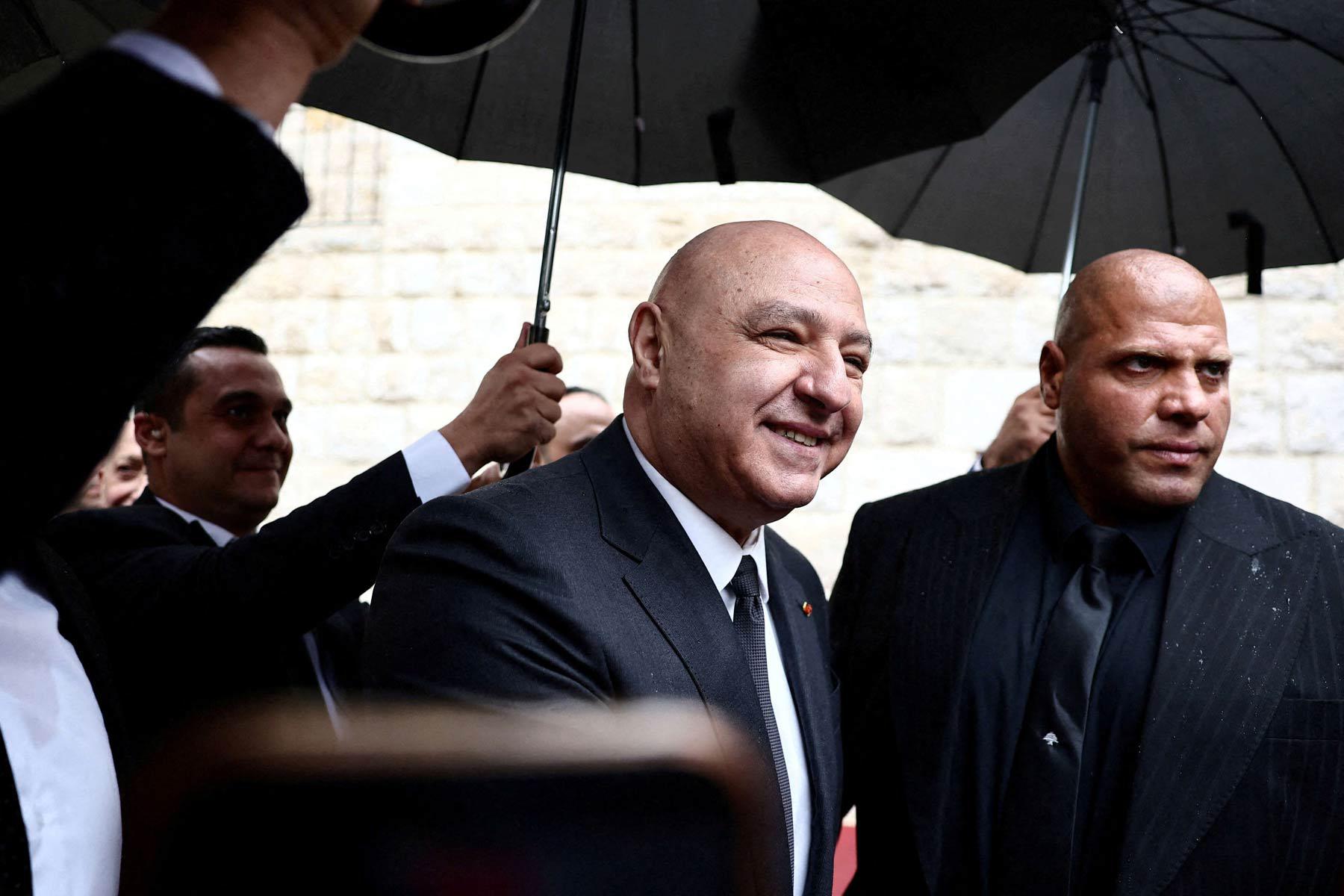
Lebanon’s objectives include securing an Israeli withdrawal and the return of detainees
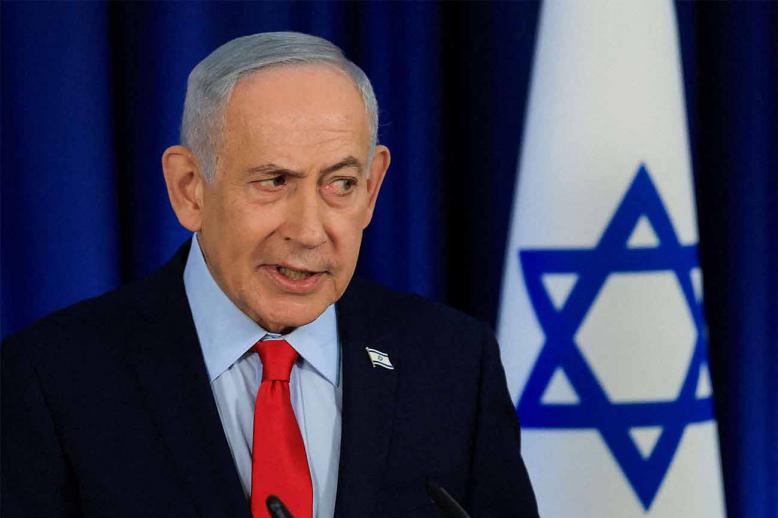
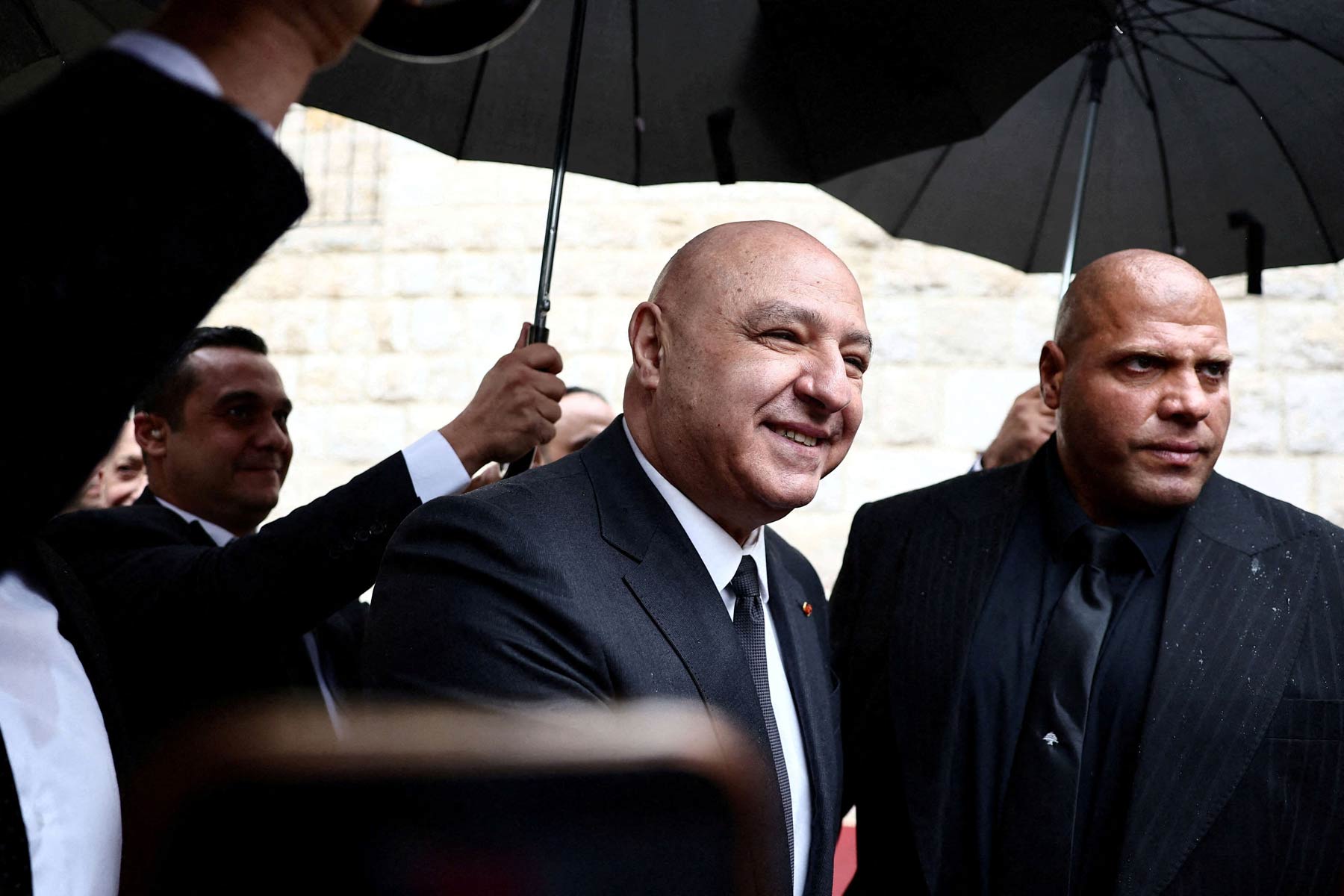
BEIRUT – Lebanese President Joseph Aoun said on Monday there was no turning back from direct negotiations with Israel, but ruled out a meeting with Prime Minister Benjamin Netanyahu for now, citing ongoing Israeli attacks and the absence of a security agreement.
“There is no turning back on the path of negotiations because we have no other option,” Aoun said, according to the presidency, adding that the timing was “not appropriate” for a face-to-face meeting with Netanyahu.
His remarks come as the United States intensifies efforts to broker direct engagement between the two leaders, arguing that such a meeting, facilitated by President Donald Trump, could secure guarantees on Lebanese sovereignty, territorial integrity and the withdrawal of Israeli forces from southern Lebanon.
US ambassador Michel Issa has held a series of meetings with Lebanese political and religious leaders, including Maronite Patriarch Bechara Boutros al-Rahi and parliament speaker Nabih Berri, to promote the initiative.
Issa said a meeting in Washington would allow Aoun to present Lebanon’s demands directly, dismissing concerns over engagement with Netanyahu as misplaced.
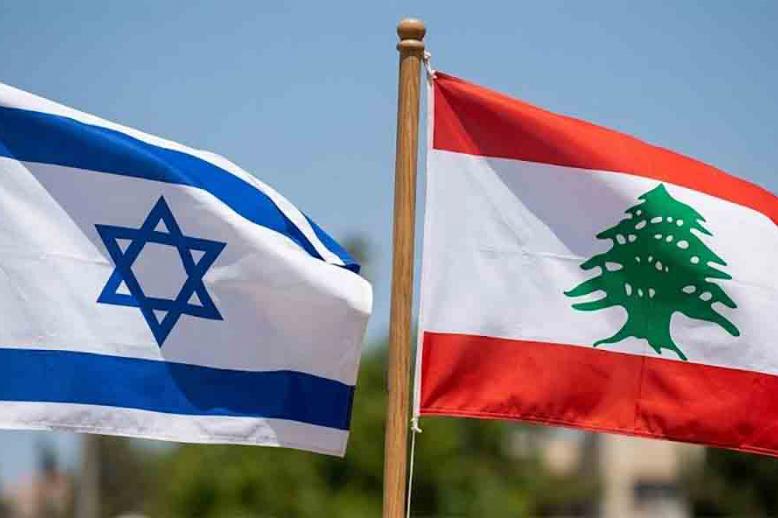
Lebanon and Israel have already held two rounds of direct talks in Washington in April, their first such meetings in more than four decades, with diplomats Nada Hammade and Yechiel Leiter representing the two sides.
Washington hopes to expand the talks and eventually translate a fragile US-brokered ceasefire into a more permanent arrangement, possibly paving the way for broader normalisation.
However, the initiative has exposed deep divisions within Lebanon.
The Iran-backed group Hezbollah has strongly opposed direct negotiations, with its leader Naim Qassem describing them as a “free concession” that would benefit Israel and the United States.
Hezbollah has instead backed indirect diplomacy, citing the 2022 maritime border agreement as a model. The group argues that direct talks risk undermining its role as a “resistance” force against Israel.
The disagreement reflects broader political splits, including opposition from Berri, who has favoured a non-aggression pact rather than a full peace deal, according to sources familiar with his position.
Regional actors have also sought to shape the process. Saudi envoy Prince Yazid bin Farhan recently visited Beirut to encourage Lebanese leaders to adopt a unified position, but efforts to convene a joint meeting between Aoun, Berri and Prime Minister Nawaf Salam faltered amid rising tensions.
The dispute underscores the challenges facing Aoun as he attempts to balance external pressure for progress with domestic resistance.
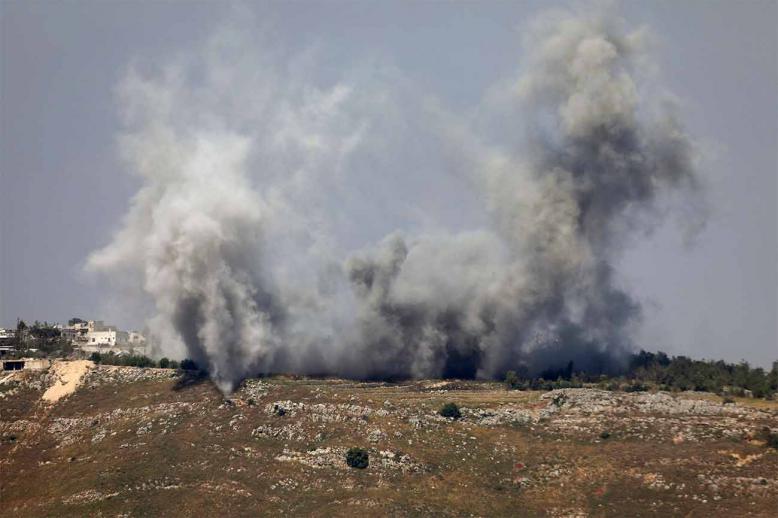
The talks are taking place against the backdrop of continued hostilities. Despite a ceasefire reached in late 2024, Israeli strikes have continued, while Israel maintains a presence in parts of southern Lebanon it describes as a security zone.
Lebanese authorities say more than 2,500 people have been killed and over 1 million displaced since the latest escalation began in March.
Aoun has said Lebanon’s objectives in negotiations include securing an Israeli withdrawal from occupied territory and the return of detainees, longstanding national demands.
While he has defended direct engagement, he has stopped short of publicly endorsing a peace deal, even as diplomatic pressure mounts to convert the current truce into a lasting agreement.
For now, Lebanon remains divided over both the format and the end goal of talks with Israel, leaving the prospect of a breakthrough uncertain.