

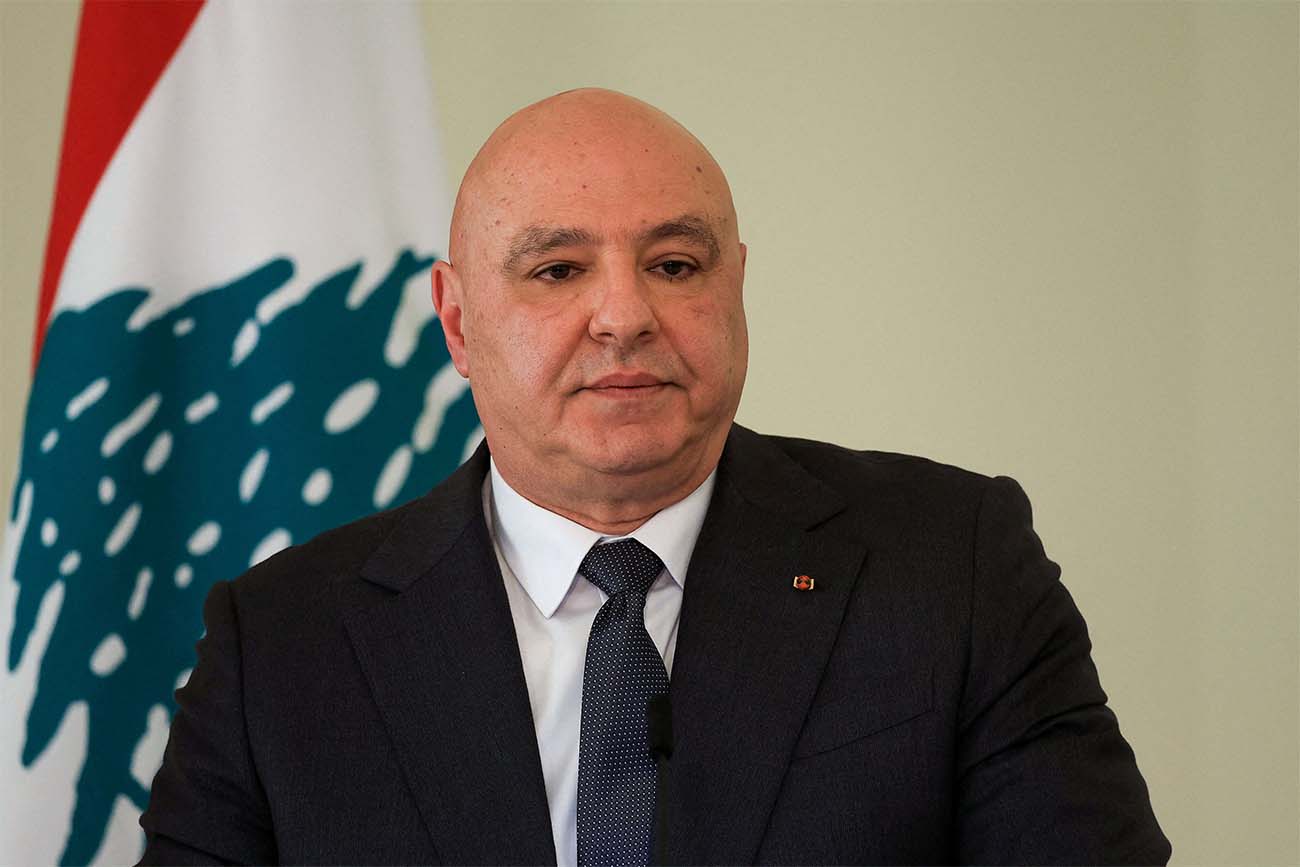
Lebanese President Joseph Aoun
Aoun says Iran using Lebanon as bargaining chip in US talks
The Lebanese President says that Lebanese territory and its political stability have effectively been weaponized by Tehran, reducing the nation to a mere "bargaining chip" on the international stage.
Friday 05/06/2026
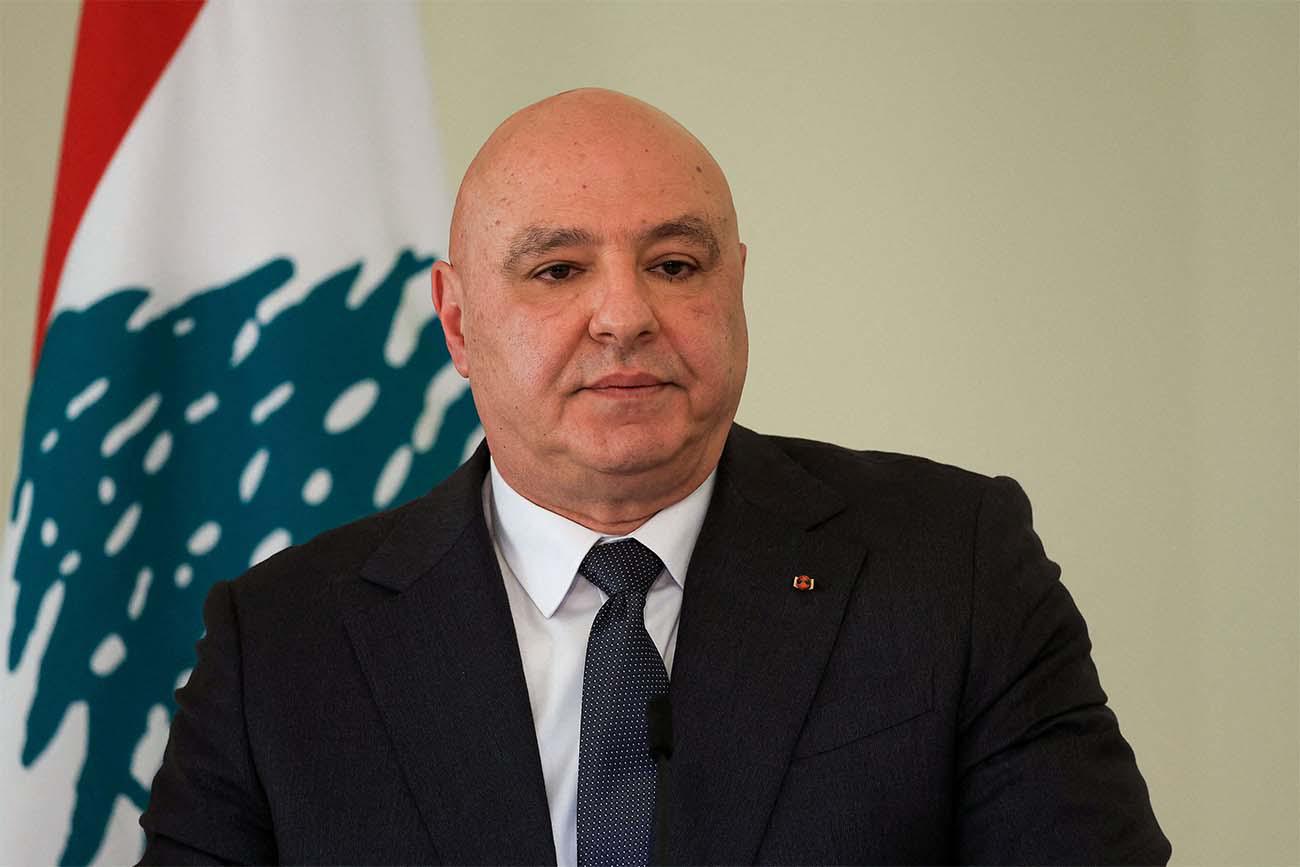
Lebanese President Joseph Aoun
BEIRUT - Lebanese President Joseph Aoun told CNN that Iran was using Lebanon as a bargaining chip in its negotiations with the United States.
Aoun has repeatedly sought to distance Lebanon from regional conflicts and has said decisions concerning the country's sovereignty and security must be made by the Lebanese state alone.
Aoun stated that Lebanese territory and its political stability have effectively been weaponized by Tehran, reducing the nation to a mere "bargaining chip" on the international stage.
Caught in the Crosshairs of Major Powers
President Aoun’s remarks come at a time of profound vulnerability for Lebanon, which continues to navigate a severe economic crisis and deep internal political divisions. By openly criticizing Tehran's influence, Aoun highlighted a harsh reality that many Lebanese officials have whispered for years: Lebanon’s domestic peace is tightly bound to the fluctuating temperatures of US-Iran diplomacy.
"Iran is using Lebanon as a bargaining chip in its negotiations with the United States," Aoun told CNN, pointing directly to how foreign agendas override Lebanese national interests.
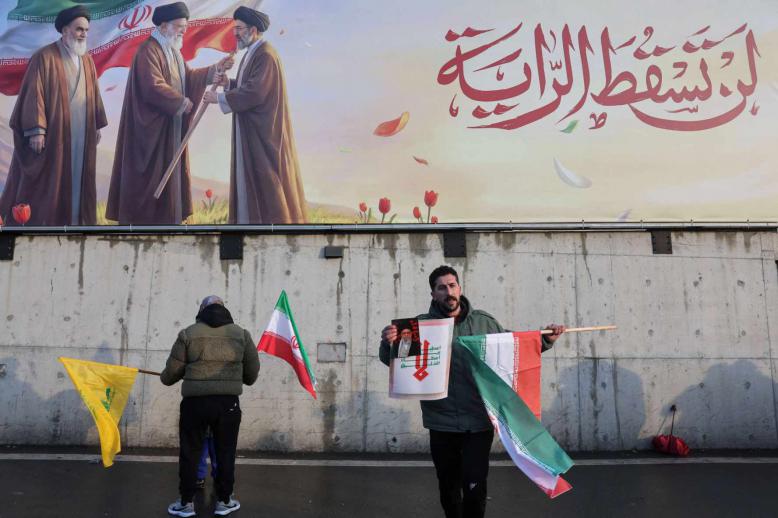
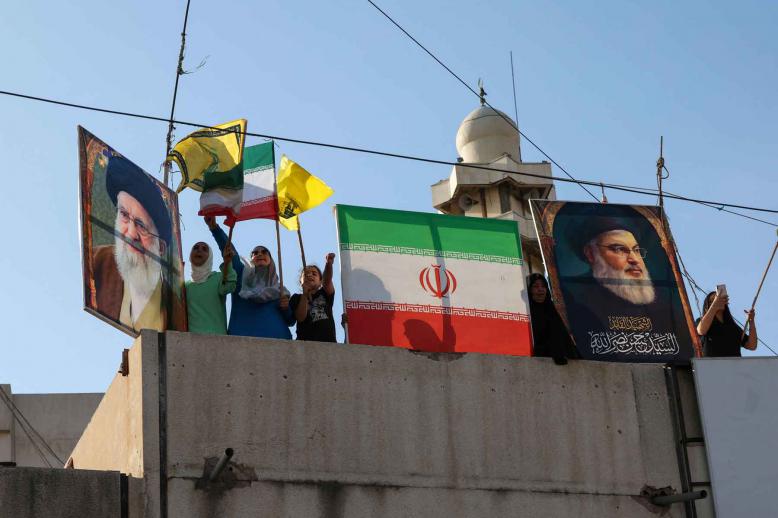
Diplomatic observers note that Tehran often utilizes its regional proxies, most notably Hezbollah, to project power and signal its capacity to disrupt or stabilize the region depending on how negotiations in Washington are proceeding. For Lebanon, this means that critical decisions regarding war, peace, and governance are frequently dictated by calculations made thousands of miles away in Tehran and Washington.
The Cost of Proxy Politics
The cost of this proxy dynamic has been devastating for Lebanon. The country has found itself increasingly isolated from traditional allies, particularly the Gulf States, which have historically provided vital economic backing but remain wary of Iran's dominant footprint in Beirut.
By framing Lebanon's role as a pawn in a larger chess match, President Aoun is signaling an urgent need for the international community to decouple its approach toward Lebanon from the broader Iranian nuclear and regional standoff.
A Call for Sovereignty
Aoun’s public stance on a major network like CNN is a calculated move to reassert Lebanese agency and appeal for direct international support that respects the country's independence. His message to the global community—and to the United States in particular—is clear: treating Lebanon merely as a theater for the US-Iran conflict ensures the continuous erosion of its state institutions.
As negotiations between Washington and Tehran remain fraught, President Aoun’s warnings serve as a stark reminder that until Lebanon is removed from the geopolitical bargaining table, its path toward genuine stability and recovery will remain entirely compromised.