

A broader concern for internal coordination among Kurdish factions
Barzani urges consensus-based selection for Iraq’s Kurdish president
By advocating for an inclusive process, Barzani aims to ensure the presidency serves the entire nation while reinforcing the legitimacy of democratic institutions.
Monday 29/12/2025
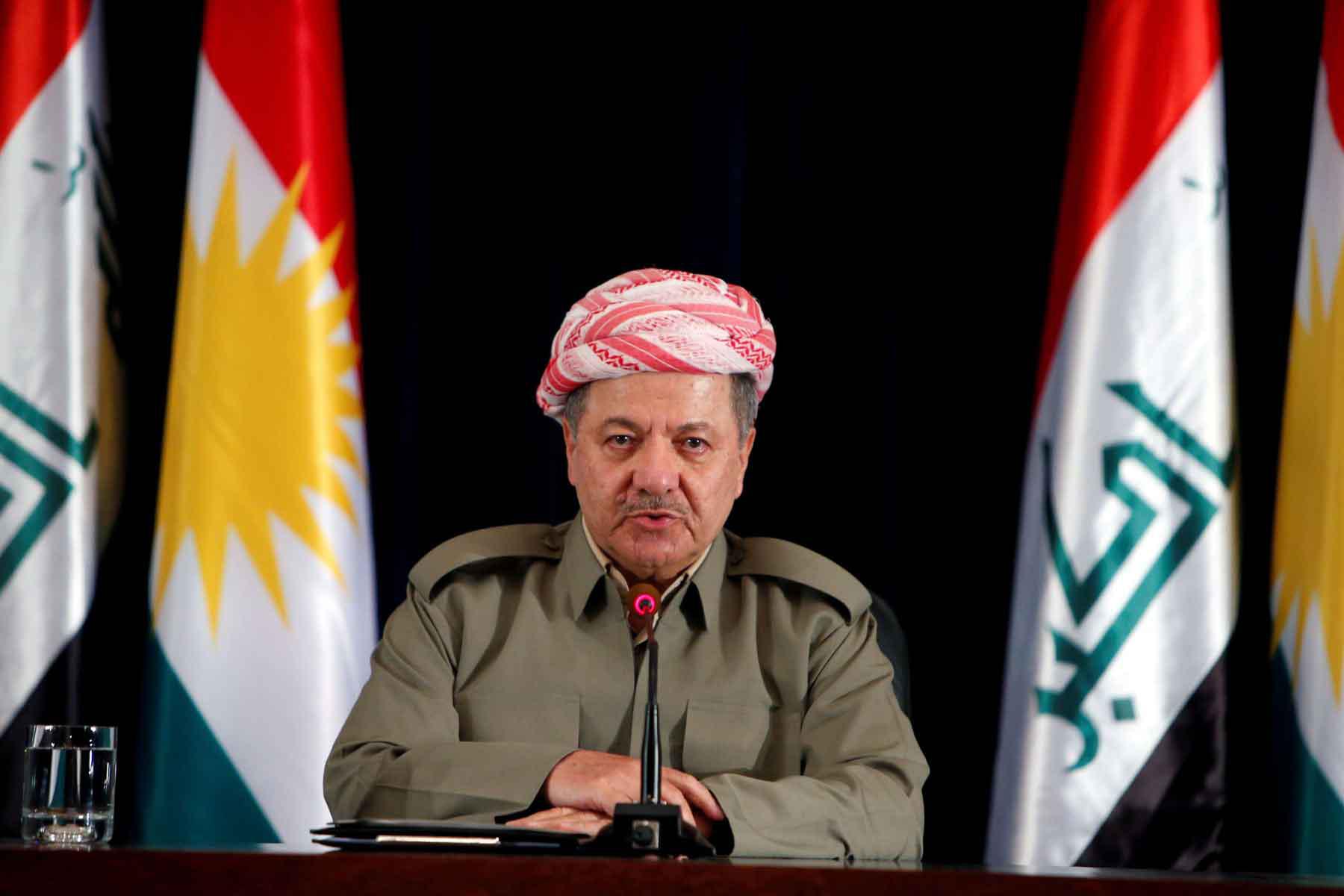
A broader concern for internal coordination among Kurdish factions
BAGHDAD –
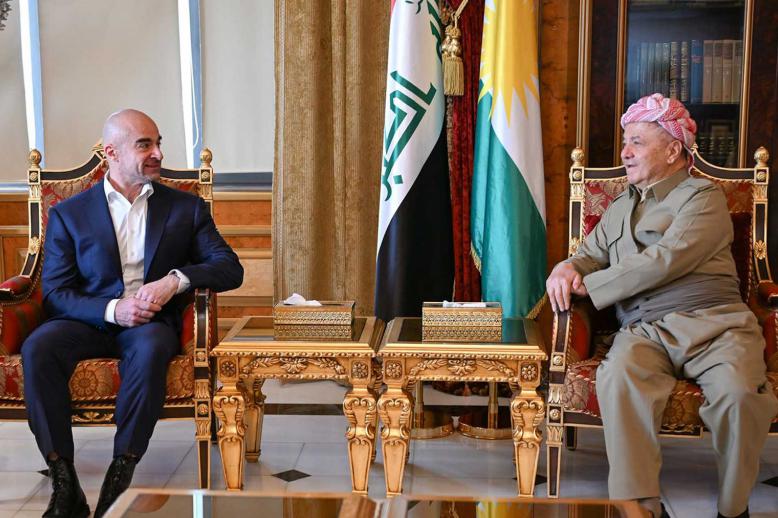
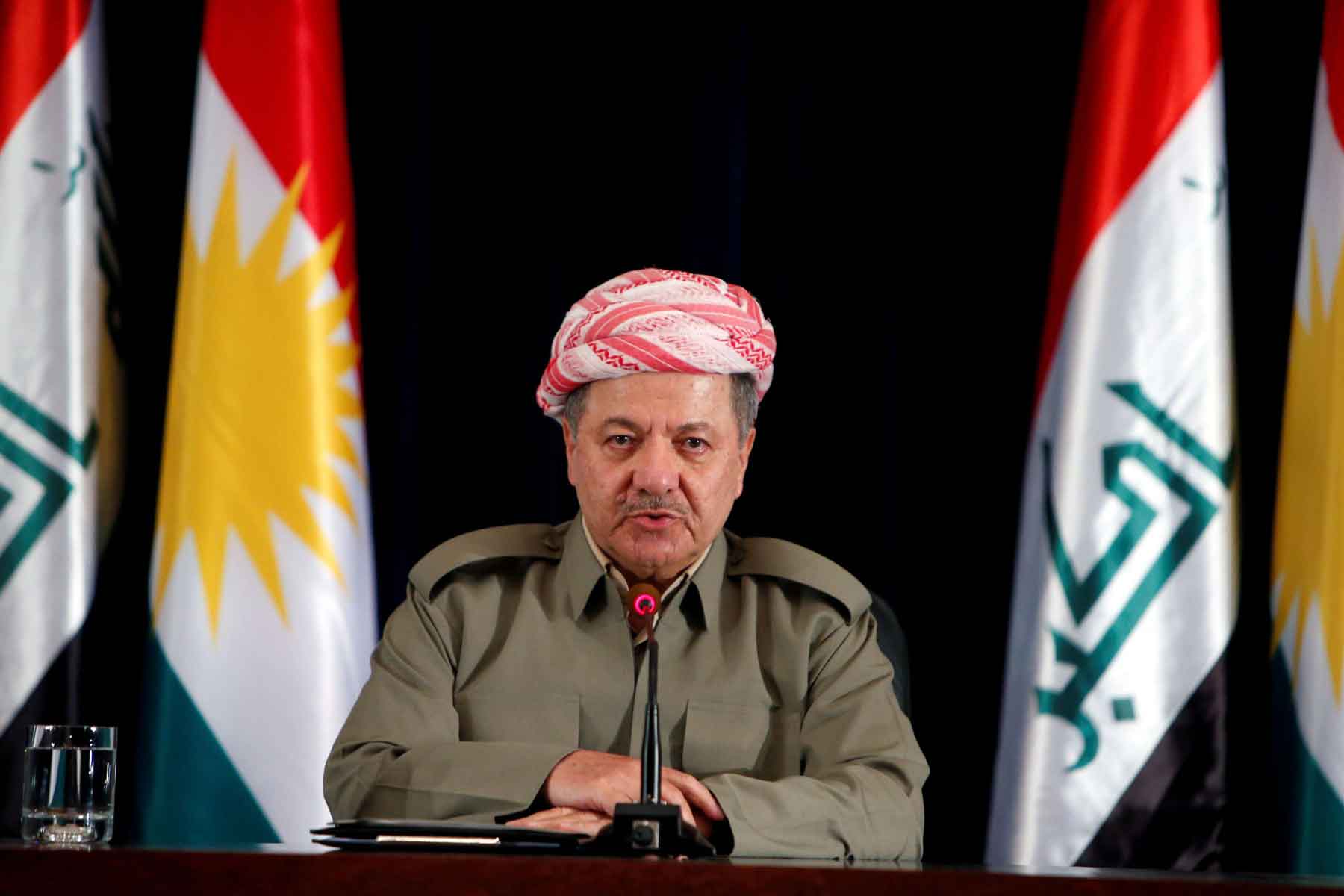
The historic leader of Iraq’s Kurdistan Democratic Party (KDP), Masoud Barzani, on Monday called for a fundamental review of the process for selecting the Iraqi president, a post traditionally reserved for the Kurdish component. Barzani proposed a new mechanism that would allow all Kurdish parties and blocs to agree on a single candidate, moving away from the longstanding party monopoly between the KDP and the Patriotic Union of Kurdistan (PUK).
The move reflects a shift in political thinking, signalling Barzani’s commitment to fostering internal Kurdish consensus, safeguarding the Kurdish constituency’s interests and strengthening Iraq’s broader democratic framework. By advocating for a transparent and inclusive process, Barzani aims to ensure the presidency serves the entire nation while reinforcing the legitimacy of democratic institutions.
In a message addressed to both Kurdish and Iraqi audiences, Barzani said, “Regarding the office of the President of Iraq, all Kurdish parties must acknowledge that this position belongs to the Kurds. To ensure that the president truly represents the people of Kurdistan, the mechanism of election must change, and no party should consider this office its exclusive property.”
Barzani outlined several options for reforming the selection process. The president could be nominated by the Kurdistan Parliament as a representative of the Kurdish people, agreed upon collectively by all Kurdish parties, or elected by Kurdish deputies and blocs within the Iraqi parliament. He emphasised that the candidate does not necessarily need to belong to the KDP or the PUK but could be an independent figure, provided they have Kurdish consensus and truly represent the people of Kurdistan.
Observers say Barzani’s position demonstrates a broader concern for internal coordination among Kurdish factions, within the wider framework of Iraqi political consultations. This comes as parties seek broad agreement on senior constitutional positions to ensure political stability and lay the groundwork for forming a new government capable of addressing pressing domestic and external challenges.
Barzani’s vision extends beyond asserting Kurdish rights to the presidency; it stresses the importance of inter-ethnic and cross-party consensus in Iraq.
The priority is a president capable of working harmoniously with all components, reflecting Barzani’s clear desire to strengthen political partnership and reduce tensions that might hinder government function or institutional performance, analysts noted.
Senior officials from the KDP have echoed this stance, emphasising that the presidency should not be the property of any single Kurdish party but rather a result of parliamentary consensus across Iraq’s political spectrum. They argue that such an approach would reinforce democracy and ensure effective participation of all political actors.
The current political scene in Iraq is marked by intensive consultations among the blocs and parties that emerged from recent elections, focusing on the distribution of top positions, including the presidency and the formation of the government. The goal is to balance power among major factions and prevent divisions that could threaten national stability.
Political analysts highlight that these consultations present an opportunity to establish clear democratic governance mechanisms. They also underscore the pivotal role of the Kurdish component in national politics, particularly for positions that symbolically and functionally represent the Kurdish people. A cooperative, consensus-driven approach could provide the foundation for a successful government capable of addressing Iraq’s urgent economic, security, and social challenges.