

Leading challenger
Bennett revives Qatargate scandal in attack on Netanyahu leadership
An official investigation is under way, and two of Netanyahu’s aides were taken into custody in late March.
Tuesday 23/12/2025
Leading challenger
JERUSALEM –
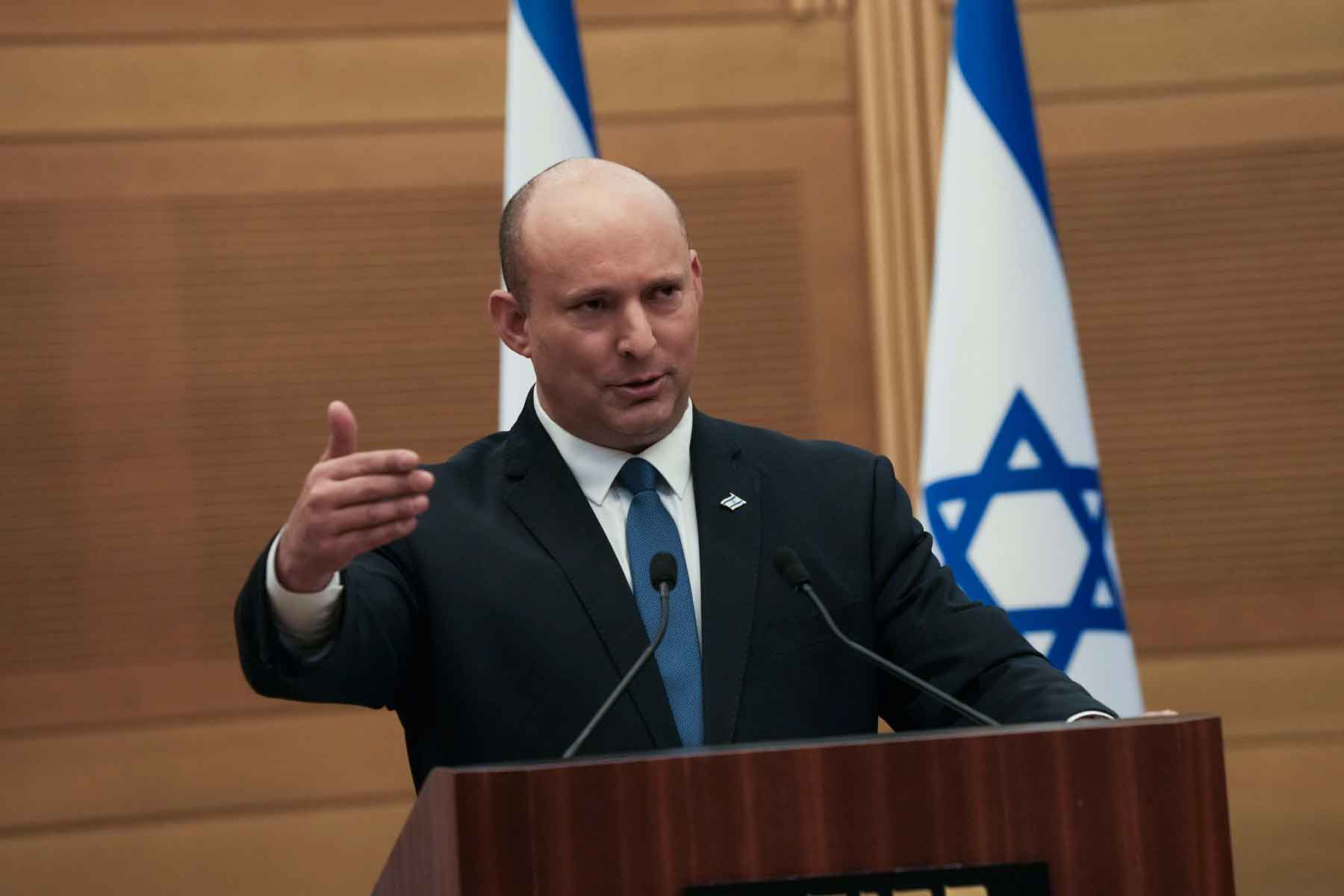
Former Israeli prime minister Naftali Bennett on Monday called for the resignation of Prime Minister Benjamin Netanyahu, accusing his office of “treason” over allegations that close aides accepted Qatari funding during the war in Gaza.
Bennett, widely seen as a leading challenger ahead of Israel’s next legislative elections, said the affair raised fundamental questions about national security and leadership accountability, regardless of whether Netanyahu had direct knowledge of the alleged actions.
The controversy centres on what Israeli media have dubbed the “Qatargate” affair, in which several of Netanyahu’s close associates are suspected of having been recruited by Qatar to promote the Gulf state’s interests and public image within Israel.
Qatar hosts senior leaders of Hamas and has played a central mediating role between Israel and the Palestinian Islamist movement during the Gaza war, a position that has long drawn criticism from parts of Israel’s political establishment.
An official investigation is under way, and two of Netanyahu’s aides were taken into custody in late March. Israeli media have reported that the suspects are also accused of transferring confidential information to Qatari contacts during the conflict, though no charges have yet been announced.
“Netanyahu’s office betrayed the State of Israel and IDF (Israeli military) soldiers in wartime, and acted on Qatar’s behalf out of greed, while Netanyahu himself seeks to cover up the affair,” Bennett said in posts on his social media accounts.
“This is the most serious act of treason in Israel’s history,” he added.
“This has happened in the holy of holies of Israeli security: the prime minister’s office.”
“Whether Netanyahu knew or did not know that his office was working for money for an enemy during wartime, both scenarios require his immediate resignation,” Bennett said.
Bennett’s remarks followed a report aired on Sunday by Israel’s i24news television channel, which claimed to have obtained recordings of conversations between two of Netanyahu’s advisers linked to the investigation.
In April 2025, Netanyahu publicly defended the two aides after their detention, saying Qatar was “not an enemy” of Israel, a comment that drew sharp criticism from political rivals and security commentators.
According to Israeli media reports, investigators are also examining the role of a third adviser who allegedly drafted pro-Qatar messaging later circulated by the other two aides.
Bennett accused “three of Netanyahu’s closest advisers” of having “acted as paid agents of Qatar?” at a time when Israeli soldiers “were fighting and falling under bullets bought with Qatari money.”
Netanyahu, who has announced his intention to seek another term in office ahead of elections scheduled for October 2026, has not directly responded to Bennett’s accusations.
Opposition leader Yair Lapid, who briefly served as prime minister as part of a power-sharing agreement with Bennett in 2022, echoed the criticism, writing on X that the Qatargate affair constituted the “most serious treason case in the history of the State.”
Bennett, who temporarily unseated Netanyahu in June 2021 before stepping away from politics a year later, has not formally announced a political comeback. However, opinion polls suggest he is currently the strongest potential challenger to the long-serving prime minister, as Netanyahu faces mounting pressure over the war in Gaza, judicial reforms and corruption charges he denies.