

Warning against internal rupture
Berri warns against sectarian strife as Lebanon divides over Israel deal
According to sources within the Shiite alliance comprising Hezbollah and Berri's Amal Movement, the parliamentary speaker had not been consulted before the agreement was announced.
Sunday 28/06/2026
Warning against internal rupture
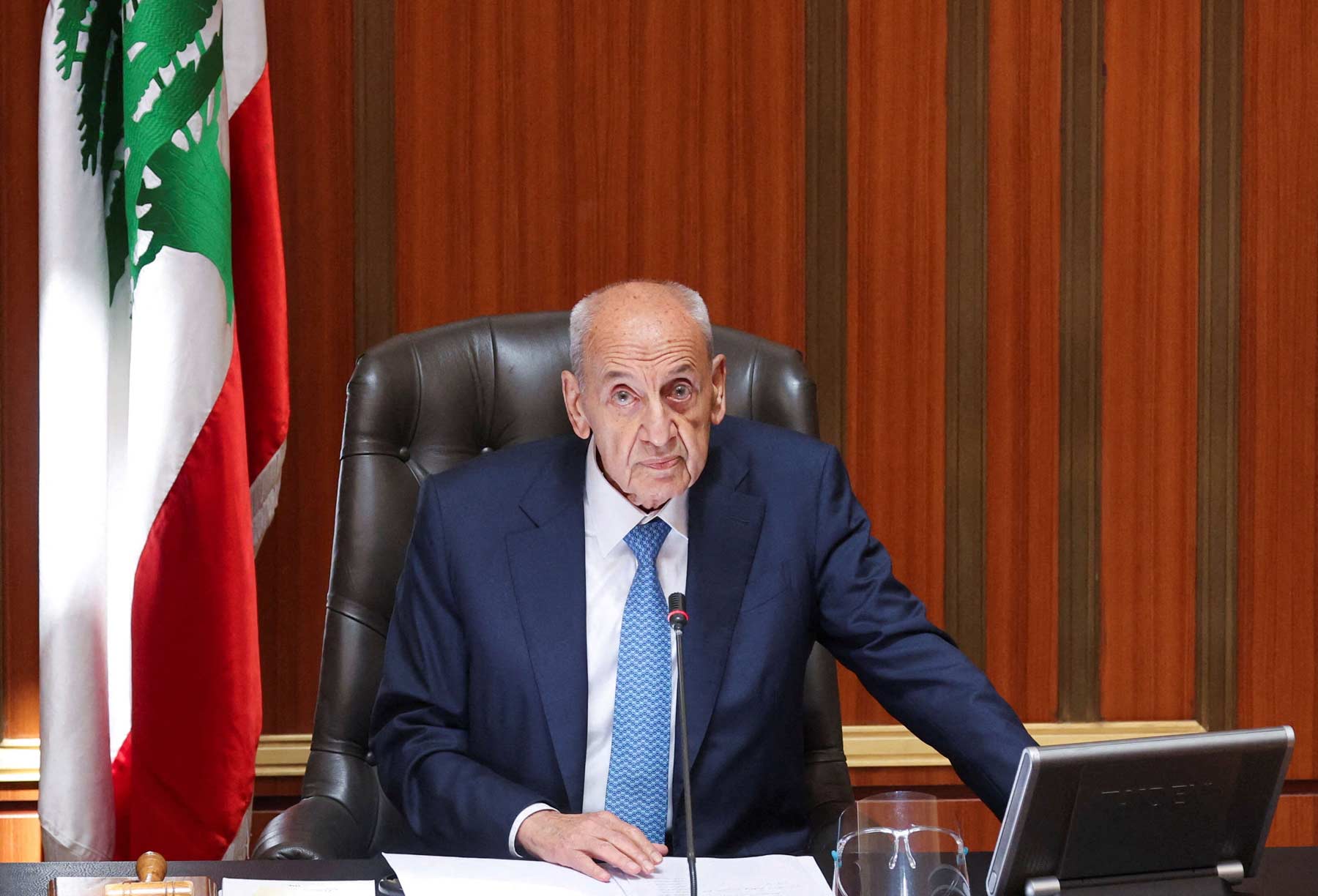
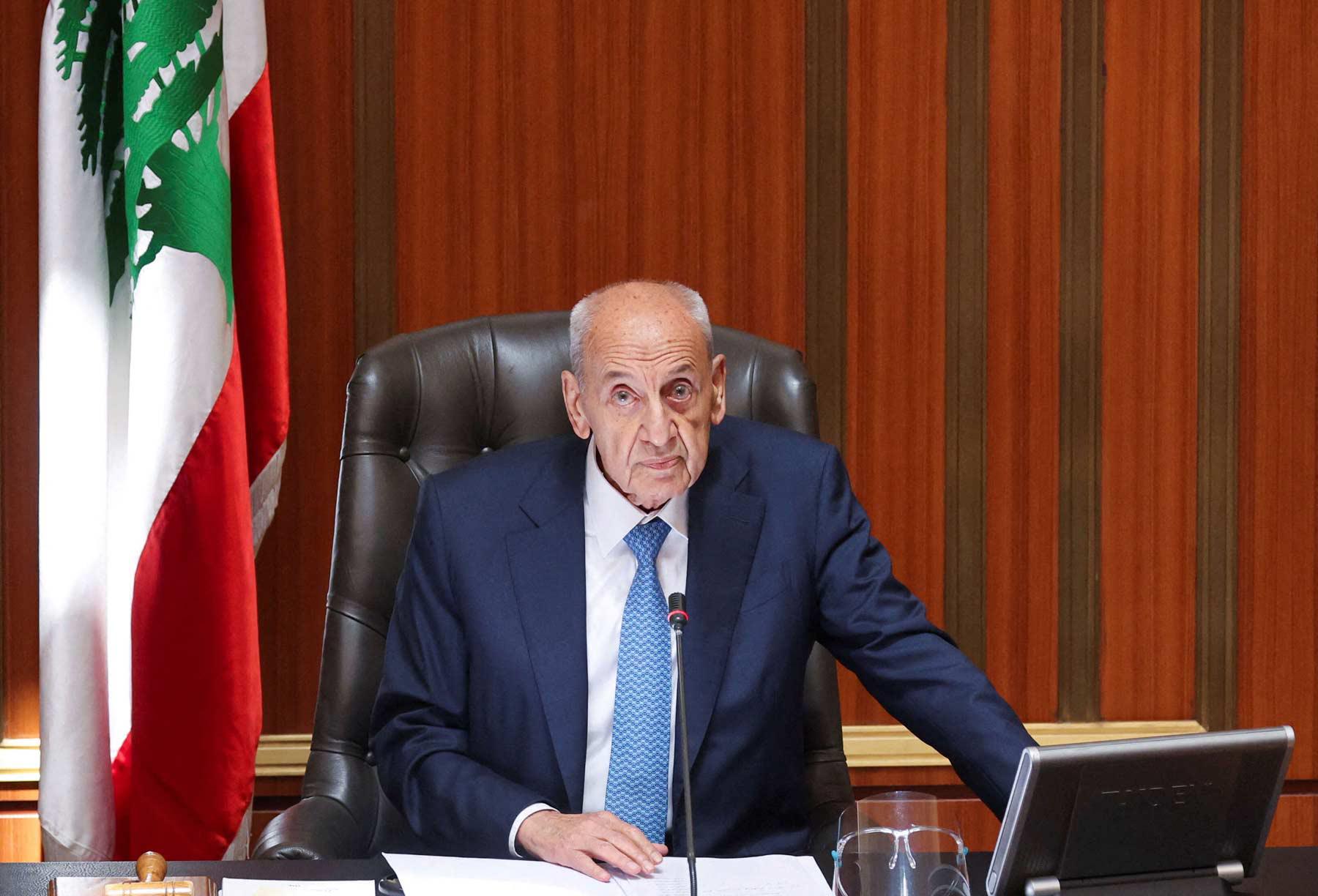
BEIRUT – Lebanese Parliament Speaker Nabih Berri appealed for calm on Saturday, warning against internal strife as political divisions deepened over the US-brokered framework agreement signed between Lebanon and Israel, while Hezbollah's leader denounced the accord as humiliating and illegitimate.
Berri's appeal came after demonstrations by Hezbollah supporters erupted in Beirut following Friday's signing ceremony in Washington, where Lebanese and Israeli representatives endorsed the framework agreement aimed at ending months of fighting and setting out a roadmap for an Israeli withdrawal from southern Lebanon.
Quoting a saying attributed to Imam Ali ibn Abi Talib, Berri urged Lebanese to avoid being drawn into internal confrontation.
"O people of Lebanon, all of Lebanon, this is sedition. In times of sedition, be like the young camel, neither strong enough to be ridden nor able to give milk," he said.
The widely-known phrase is understood in Lebanon as a call to remain neutral during periods of domestic discord and not become an instrument of political conflict.
His intervention followed protests late Friday by Hezbollah supporters, who rode motorcycles through parts of Beirut, burned tyres and blocked roads in opposition to the agreement, prompting the Lebanese army to reinforce security across the capital.
According to sources within the Shiite alliance comprising Hezbollah and Berri's Amal Movement, the parliamentary speaker had not been consulted before the agreement was announced and first learned of its contents through media reports.
Speaking to Asharq Al-Awsat, Berri said: "I read it ... and I saw civil strife in it."
Despite Berri's warning against internal escalation, Hezbollah Secretary-General Naim Qassem launched a fierce attack on the agreement, accusing the Lebanese government of surrendering national sovereignty.
"This agreement is null and void," Qassem said.
He described it as "humiliation, disgrace and a concession of sovereignty," insisting that Israel should instead withdraw in accordance with the US-Iran memorandum of understanding.
Qassem also rejected provisions linking an Israeli withdrawal to the disarmament of Hezbollah, warning that "linking the Israeli withdrawal to disarming the resistance throughout Lebanon is a very dangerous proposal that crosses every red line and turns Lebanon into a plaything in the hands of the Israeli enemy."
His remarks contrasted sharply with those of Lebanese President Joseph Aoun, who described the agreement on Friday as "a first step on the road to restoring Lebanon's full sovereignty over all its territory."
Israeli Prime Minister Benjamin Netanyahu, meanwhile, reiterated that Israeli troops would remain inside an expanded security zone until Hezbollah disarmed, saying implementation would begin through two pilot areas where the Lebanese army would gradually deploy.
Since fighting resumed on March 2, 2026, Lebanon's health ministry says Israeli military operations have killed more than 4,200 people, wounded over 12,000 and displaced more than one million residents.
The framework agreement has exposed one of the deepest political divisions Lebanon has witnessed since the latest war, with supporters portraying it as an opportunity to restore state authority while opponents argue it grants major concessions without securing an immediate Israeli withdrawal.