

Growing pressure to restore credibility
Central bank shake-up exposes Algeria’s fragile financial governance
The sudden removal comes amid mounting controversy surrounding the management of several sensitive financial files overseen by the central bank.
Monday 05/01/2026
Growing pressure to restore credibility
ALGIERS –
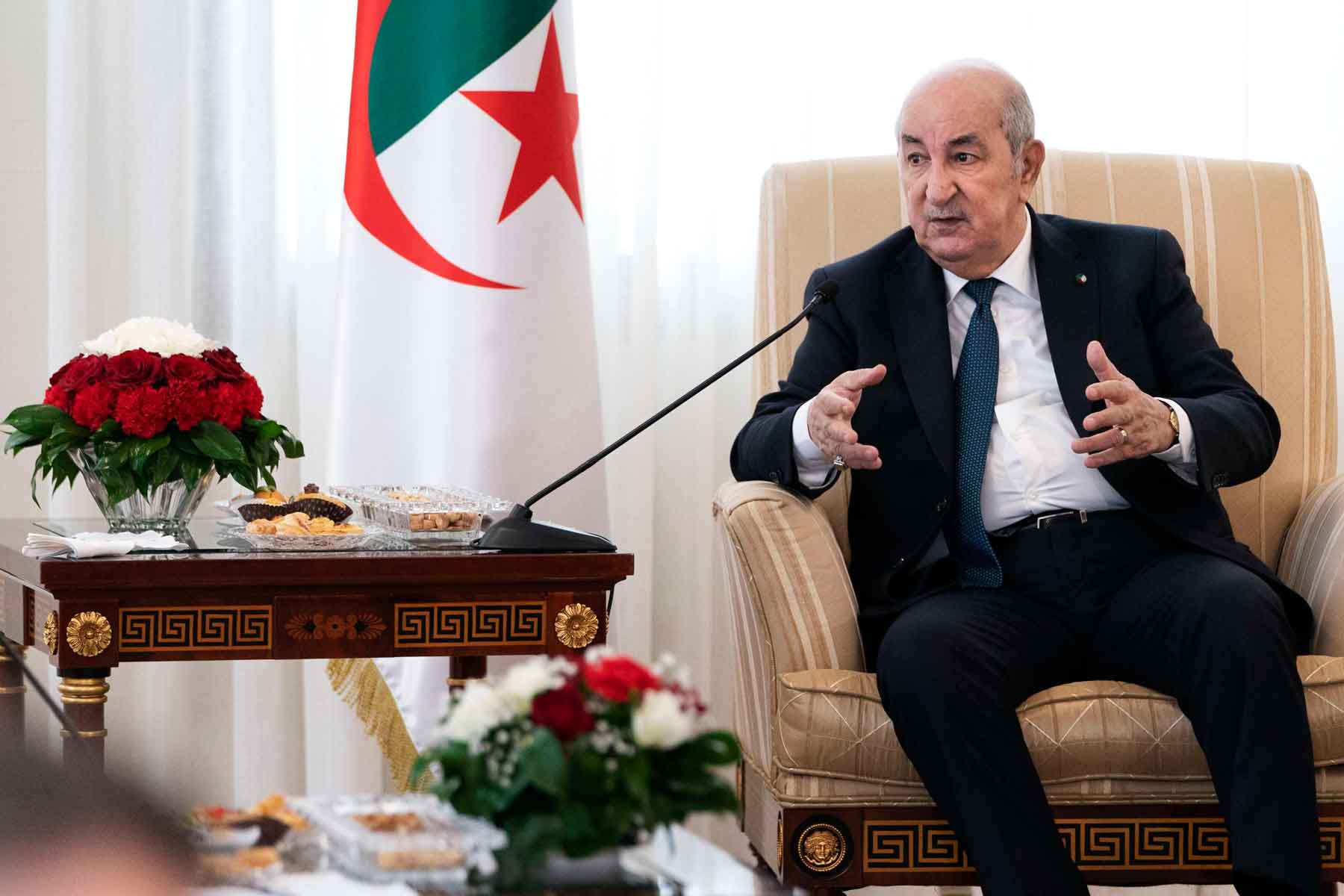
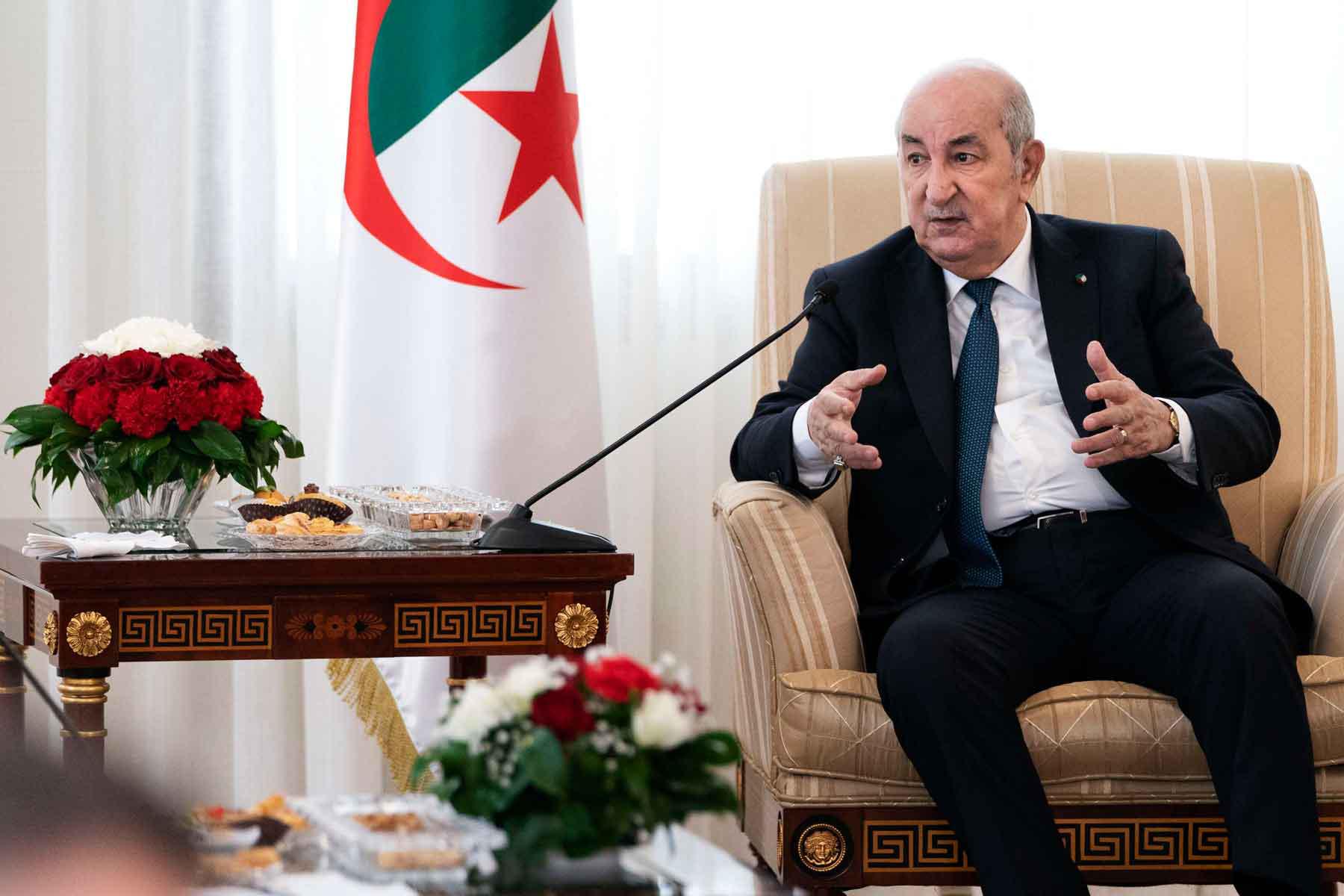
Algerian President Abdelmadjid Tebboune on Sunday abruptly dismissed Central Bank Governor Salah Eddine Taleb, a move that has fuelled speculation about alleged banking irregularities and growing concerns over corruption within the country’s financial institutions.
In a brief statement, the presidency announced that Taleb’s duties as governor of the Bank of Algeria had been terminated with immediate effect. His deputy, Mouatassem Boudiaf, was appointed acting governor. No official explanation was provided for the decision.
The sudden removal comes amid mounting controversy surrounding the management of several sensitive financial files overseen by the central bank, and against a broader backdrop of persistent allegations of mismanagement and corruption that critics say are undermining Algeria’s economic stability.
Despite its vast oil and gas wealth, Algeria continues to struggle with weak transparency, frail oversight mechanisms and entrenched bureaucratic practices. International reports have repeatedly highlighted the dominance of politically-connected elites over key financial and economic sectors, a reality that has intensified public frustration, particularly among younger Algerians grappling with unemployment and rising living costs.
Corruption remains one of Algeria’s most entrenched structural challenges, affecting sectors ranging from energy and public works to finance and public services. It has weighed heavily on investment, economic diversification and public trust in state institutions. While the authorities regularly stress their commitment to combating graft, international indicators paint a far less optimistic picture. In Transparency International’s 2024 Corruption Perceptions Index, Algeria ranked 107th out of 180 countries, reflecting widespread corruption in the public sector.
In recent months, the central bank has been at the heart of public debate over a number of contentious policies, most notably the so-called travel allowance scheme. Under the programme, Algerian adults travelling abroad are entitled to an annual allowance of €750 at the official exchange rate, with €300 allocated for minors. The scheme has exposed the fragility of Algeria’s financial policies and the scale of loopholes enabling abuse.
Authorities have imposed stricter conditions on access to the allowance, citing cases of fraud involving the smuggling of foreign currency and its resale on the local parallel market. In recent months, long queues of Algerians were observed at border crossings with Tunisia, many of whom, officials said, were beneficiaries of the travel allowance.
Algerian law severely restricts access to foreign currency for ordinary citizens, with banks permitted to sell it only to importers and pilgrims travelling to Mecca, under strict conditions. As a result, the gap between official exchange rates and those on the parallel market has widened dramatically, exceeding 80 per cent for the euro and other major currencies. While the official rate stands at around 150 dinars to the euro, it can reach as high as 280 dinars on the informal market.
This disparity has encouraged some travellers to exploit the system purely to profit from currency arbitrage, further draining confidence in official financial controls.
Adding to the unease, the central bank last month introduced a controversial measure banning cash deposits into commercial bank accounts, despite the widespread use of cash transactions across the economy. The decision raised questions about its potential impact on liquidity and on the government’s long-stated ambition to draw vast sums of idle cash out of the informal economy and into the formal banking system.
Taleb’s dismissal is therefore widely seen as a reflection of deeper strains within Algeria’s financial architecture, at a time when the government faces growing pressure to restore credibility, rein in corruption and address the economic grievances fuelling public discontent.