

The gains risk deepening tensions
Damascus tightens grip on oil, dams as Kurdish forces pull back
The SDF pullback from the Al-Omar oil field, the country’s biggest, marks one of the most significant territorial shifts since Sharaa’s Islamist-led government took power.
Sunday 18/01/2026
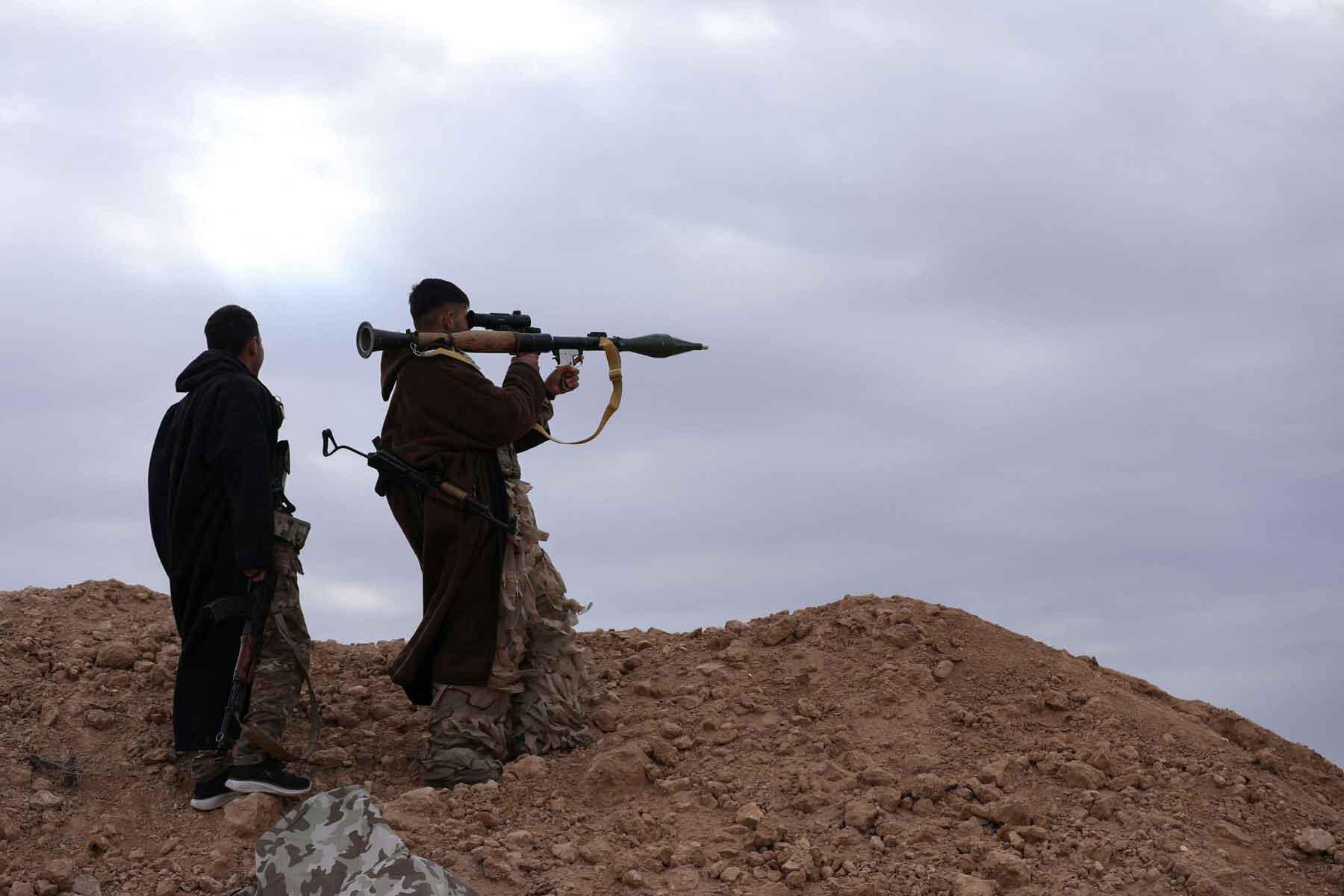
The gains risk deepening tensions
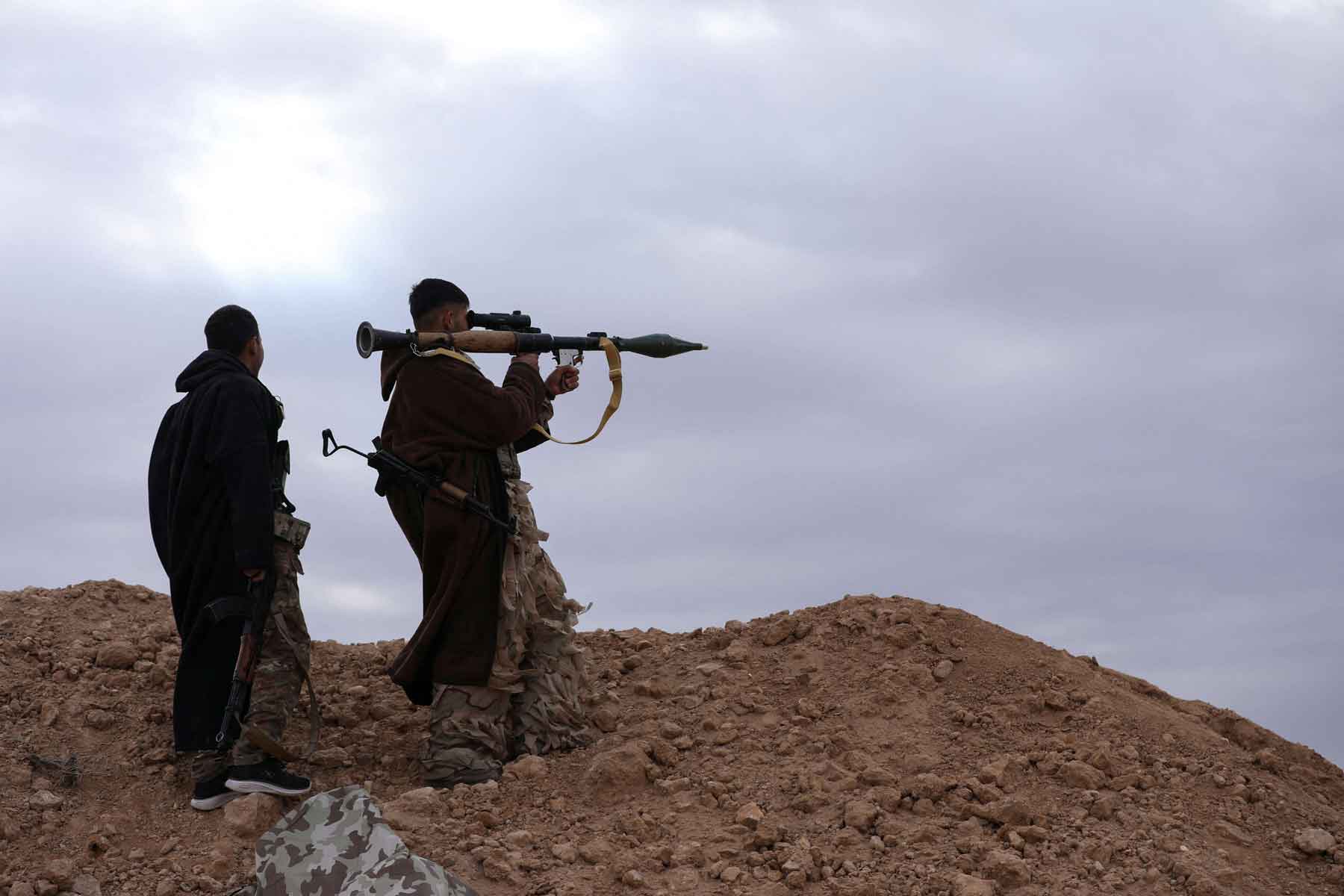
TABQA, Syria – Kurdish-led forces have withdrawn from Syria’s largest oil field and a string of strategic locations in the north and east of the country, as government troops advance to reassert control over territory seized during the fight against Islamic State, a war monitor said on Sunday.
The pullback by the Syrian Democratic Forces (SDF) from the Al-Omar oil field, the country’s biggest, marks one of the most significant territorial shifts since President Ahmed al-Sharaa’s Islamist-led government took power following the overthrow of Bashar al-Assad in 2024.
According to the Syrian Observatory for Human Rights, the SDF withdrew overnight from all areas under its control in eastern Deir Ezzor, including the Al-Omar and Tanak oil fields, as government forces advanced alongside fighters from local Arab tribes. The areas are now effectively under Damascus’s control.
Al-Omar, which once hosted the United States’ largest military base in Syria, had been held by Kurdish-led forces since 2017 after the defeat of Islamic State. Its loss follows the government’s announcement that it had also regained control of the Safyan and Al-Tharwa oil fields in Raqa province.
Energy Minister Mohammad al-Bashir said the return of oil and energy infrastructure to state control would “open the door wide for reconstruction”, reviving agriculture, trade and electricity generation after years of war.
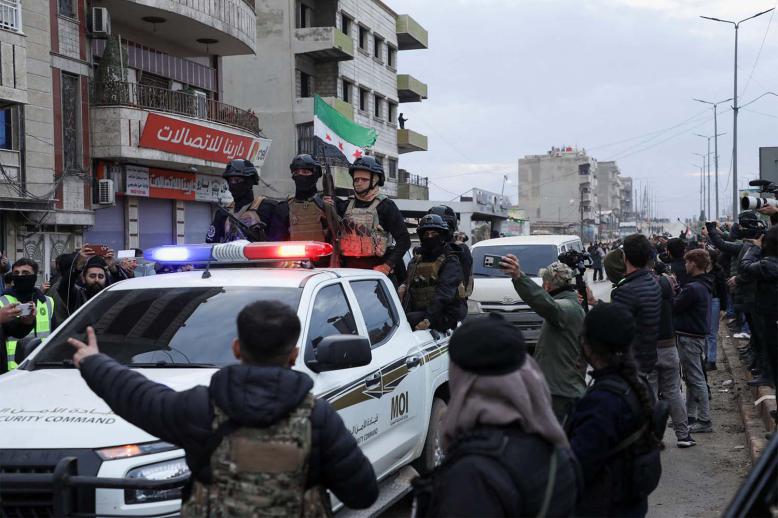
Government forces have also captured the city of Tabqa and secured control of the Euphrates Dam, one of Syria’s most important water and power facilities, which includes a major hydroelectric station. Syrian troops and security forces were deployed across the city on Sunday, conducting sweeps after the SDF withdrawal.
Armoured vehicles and tanks were stationed around Tabqa, with intermittent gunfire heard amid what security officials described as limited clashes. Shops were shuttered, while residents stayed close to their homes amid uncertainty.
The advance consolidates government authority over Arab-majority regions that fell under Kurdish control during the US-backed campaign against Islamic State, which ruled large parts of Syria between 2014 and 2019.
However, the developments have drawn international concern. French President Emmanuel Macron said he had spoken to Sharaa to warn that the ongoing offensive against Kurdish-led forces risked undermining stability, calling for a permanent ceasefire and a negotiated settlement. Macron said neither France nor the European Union could support a purely military approach, stressing that Syria’s unity and long-term stability depended on an inclusive political agreement.
The gains also risk deepening tensions with the Kurds, whose autonomous administration still controls much of Syria’s northeast and has resisted what it sees as unilateral moves by Damascus.