


Heightened alert among Polisario leadership circles
Death of Polisario leader fuels speculation as UN envoy visits Tindouf
The killing of Lahbib Mohamed Abdelaziz has revived discussion about a series of deaths and disappearances involving senior Polisario figures over several decades.
Tuesday 09/06/2026
Heightened alert among Polisario leadership circles
RABAT – The death of Lahbib Mohamed Abdelaziz, one of the Polisario Front's most prominent emerging leaders and a widely discussed potential successor to current chief Brahim Ghali, has intensified speculation about the movement's internal dynamics at a particularly sensitive moment for the Western Sahara dispute.
Polisario officials confirmed that Lahbib Mohamed Abdelaziz, a member of the movement's General Secretariat and Defence Committee and the son of longtime former leader Mohamed Abdelaziz, was killed during an operation east of Morocco's security wall in Western Sahara.
The Polisario announced three days of mourning and said Abdelaziz died alongside other members during what it described as a military operation against Moroccan positions. Regional and Spanish media reports said the group was struck by a Moroccan drone after crossing into an area east of the defensive barrier known as the Sand Wall, although the circumstances have not been independently verified.
The death is particularly significant because Lahbib Abdelaziz had emerged as one of the leading figures of a younger generation within the movement and was frequently mentioned as a possible contender in future leadership succession arrangements.
Born in the Tindouf camps in Algeria, he received military training there and rose steadily through the Polisario hierarchy. Over the years, he served in a series of military and administrative positions, including platoon commander, battalion commander, director of training and formation, member of the general staff and commander of the First Military Region. During the movement's most recent congress, he was elected to the National Secretariat.
His political profile was strengthened by his family background. His father, Mohamed Abdelaziz, led the Polisario Front and the self-proclaimed Sahrawi Arab Democratic Republic from 1976 until his death in 2016. Within Polisario circles, Lahbib Abdelaziz was seen as carrying both the political legacy of his father and the ambitions of the Rguibat of the Cherk tribal faction, which has sought to regain influence within the movement's leadership since 2016.
Security analysts argued that the significance of the killing extends beyond the military dimension. He noted that Abdelaziz's growing influence and repeated mention as a potential successor to Brahim Ghali placed him at the centre of internal rivalries linked to the succession issue.
The circumstances surrounding the incident, analysts argue, raise questions because the area east of the Moroccan security wall has long been subject to intensive surveillance by Moroccan drones, making the presence of a senior Polisario figure there particularly risky.
Many suggested that the possibility of indirect political elimination could not be excluded, given the intensity of internal competition between factions within the movement. According to the assessment of some analysts, either exposing Abdelaziz to a highly vulnerable military zone or the leaking of information regarding his movements may have contributed to the outcome.
Other observers have also pointed to the unusual circumstances surrounding the death. Former Polisario members cited in media reports questioned why a senior figure who reportedly headed reserve forces and was preparing for a future leadership role would personally participate in a dangerous frontline operation.
The killing has revived discussion about a series of deaths and disappearances involving senior Polisario figures over several decades. Some observers have drawn parallels with the deaths of prominent officials including M'Hamed Khaddad in 2020, Ba Ali Hammoudi in 2023 and Polisario representative Boukhari Ahmed in February 2025.
The incident comes as UN Secretary-General's Personal Envoy for Western Sahara Stefan de Mistura visits the Tindouf camps in south-western Algeria for talks with Polisario leaders. The visit forms part of a broader regional consultation effort aimed at reviving the UN-led political process.
According to reports from Radio France Internationale and Polisario-affiliated media, de Mistura began meetings inside the camps on Sunday. The discussions mark his first direct meeting with Polisario leaders since September 2025.
His office has said the regional tour will involve consultations with all parties concerned by the dispute and will seek to advance efforts based on relevant UN Security Council resolutions, particularly Resolution 2797.
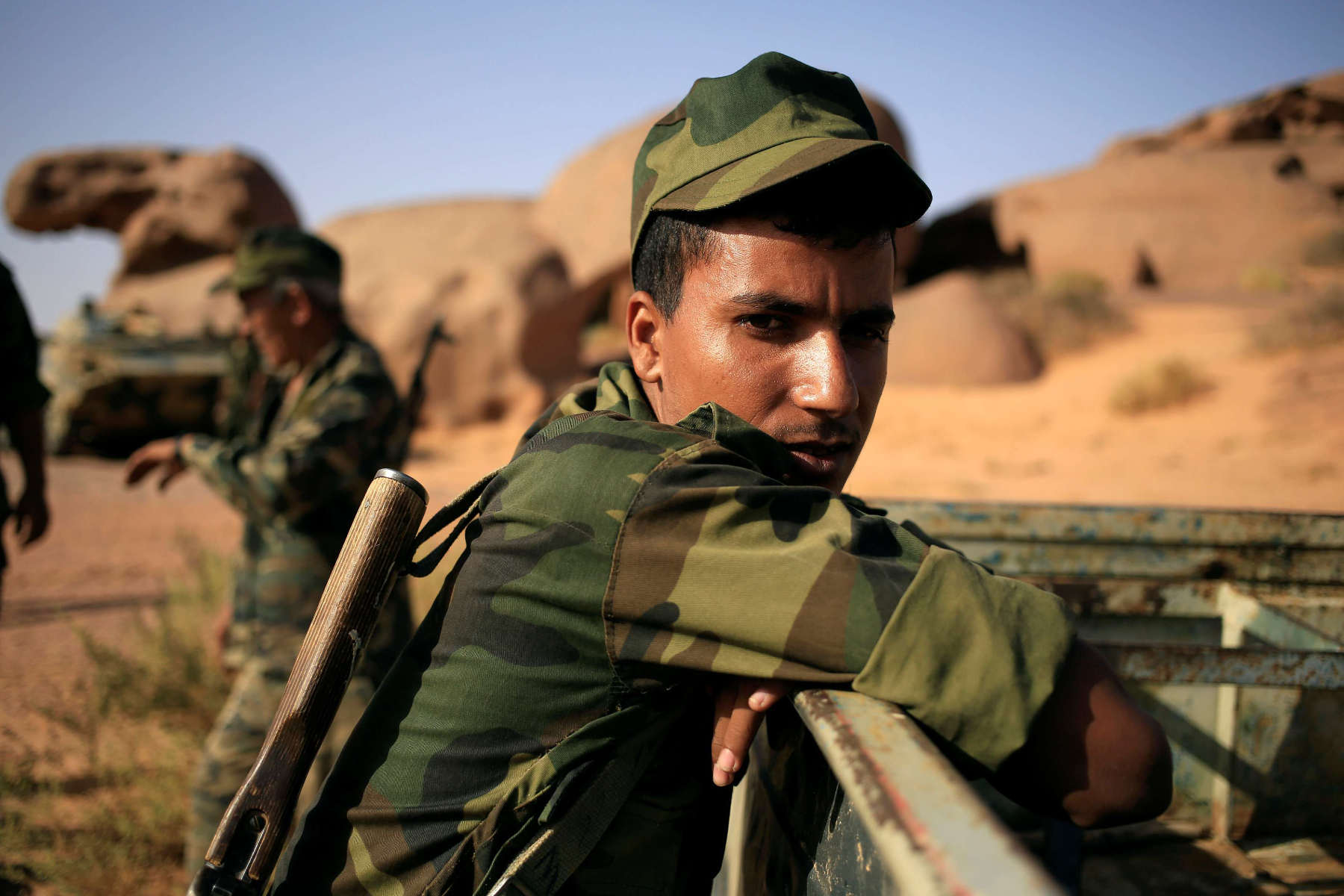
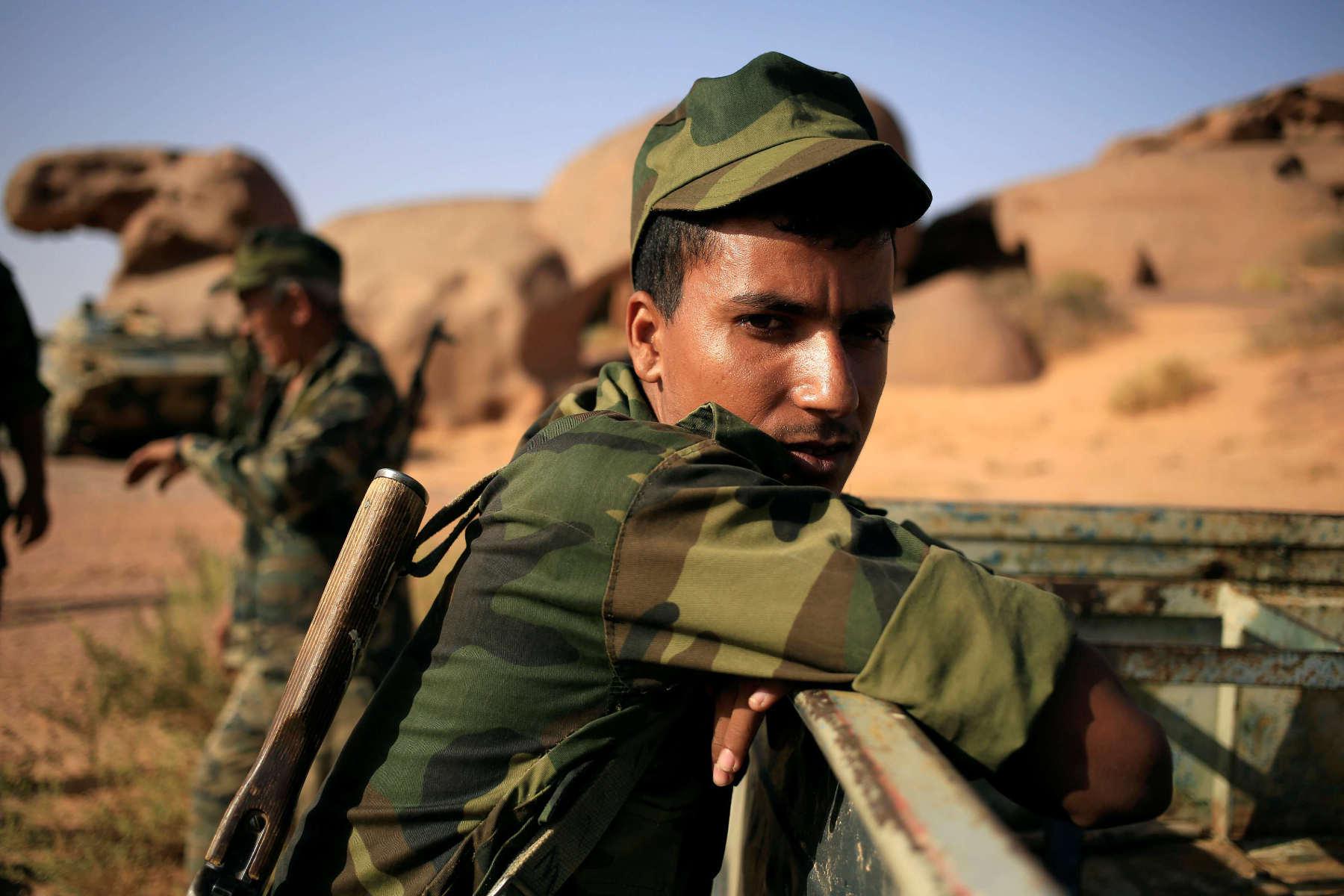
The timing of the visit has added to the sensitivity of the situation. Reports from the Tindouf camps described a state of heightened alert among Polisario leadership circles, with claims of intensified military air activity linked to the transport of casualties following the operation.
The Polisario Front resumed armed hostilities against Morocco in 2020 after nearly three decades of ceasefire. Since then, drone warfare and long-range surveillance have increasingly shaped the security environment around the Moroccan defence wall.
For the movement, the loss of Lahbib Mohamed Abdelaziz removes one of its most visible rising leaders at a time when questions surrounding future leadership succession are becoming increasingly prominent. Whether his death was solely the result of a military operation or becomes a catalyst for broader internal debate, it is likely to reverberate through Polisario ranks in the months leading up to its next congress.