

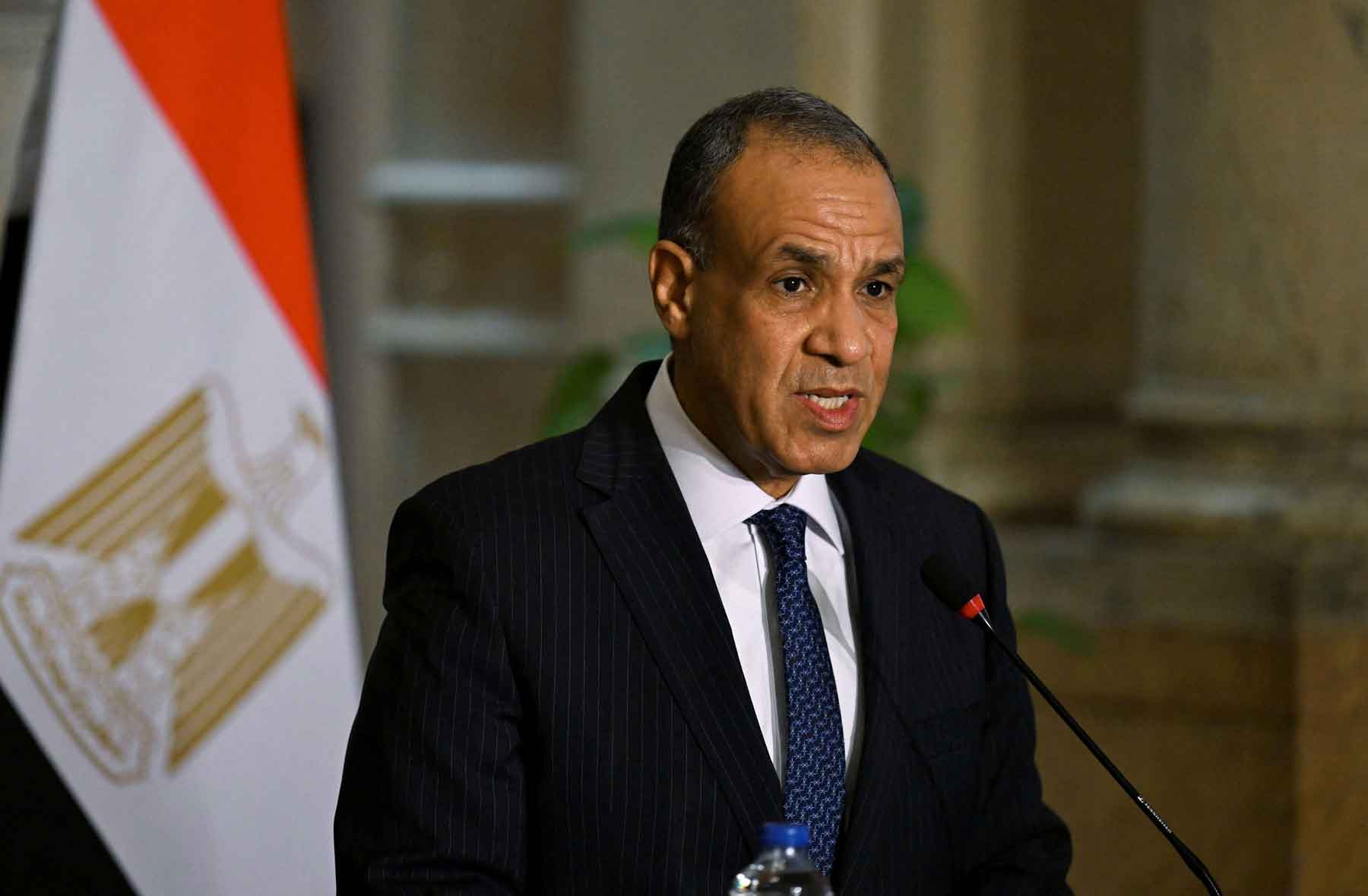
Egyptian Foreign Minister Badr Abdelatty speaks during a news conference in Cairo, Egypt September 6, 2025.
Egypt hardens stance on Nile, signals limits of diplomacy with Ethiopia
Egypt seeks to protect its vital water security while pressing Ethiopia to return to negotiations under a clear legal framework that guarantees shared rights and interests.
Saturday 27/12/2025
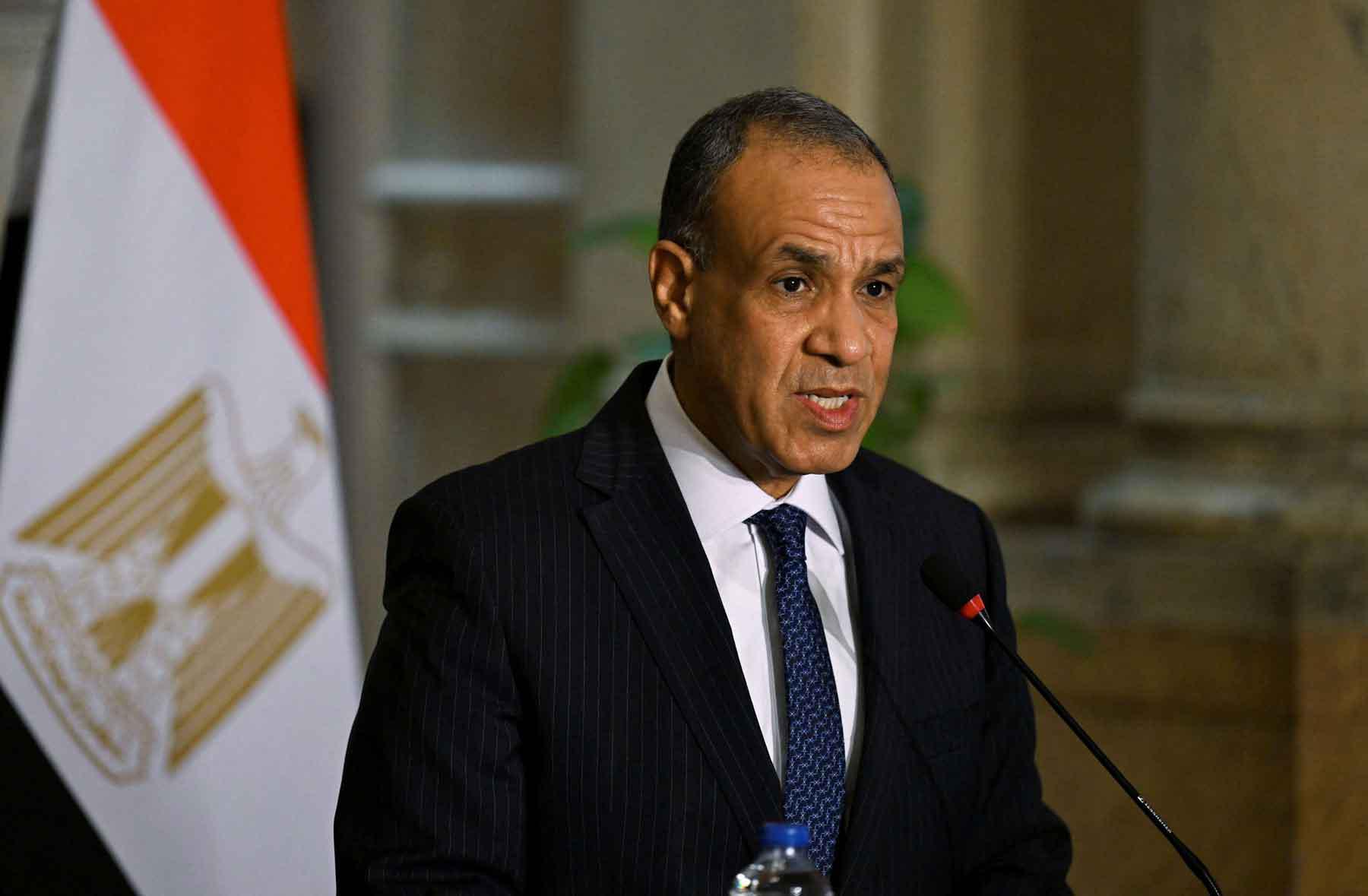
Egyptian Foreign Minister Badr Abdelatty speaks during a news conference in Cairo, Egypt September 6, 2025.
CAIRO –
Egypt has issued a stern warning to Ethiopia, saying any future attempts to build additional dams on the River Nile would trigger a decisive response, describing the issue of Nile water as an “existential threat” to the country.
Foreign Minister Badr Abdelatty said in a televised interview that the Nile was not merely a source of water but the foundation upon which Egyptian civilisation was built and sustained over millennia, underpinned by what he described as Egyptians’ historical mastery of water management.
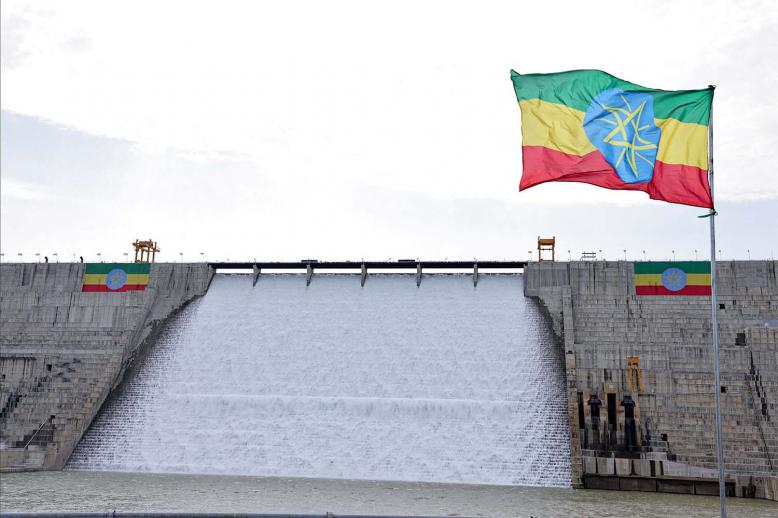
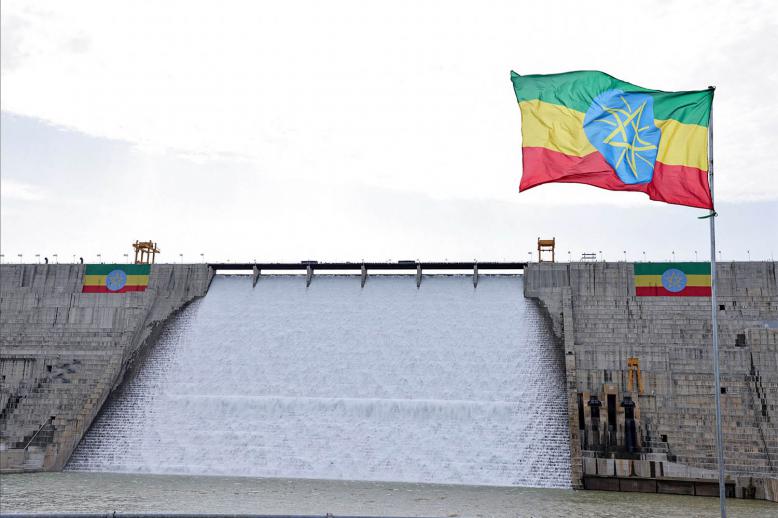
Abdelatty said negotiations with Ethiopia over the Grand Ethiopian Renaissance Dam (GERD) had reached a dead end due to what he called Addis Ababa’s “bad faith” and policy of imposing a fait accompli. After nearly 15 years of talks without tangible results, he said Egypt would no longer take part in what he described as “futile negotiations.”
In a direct message to Ethiopia, Abdelatty warned that any future steps to construct additional dams would be met with a firm response from Cairo, stressing that Egypt’s water security was a “red line” that could not be compromised under any circumstances.
His remarks come amid renewed Egyptian pressure for a legally binding agreement governing the management and operation of the GERD and the sharing of Nile waters in a way that safeguards the interests of Egypt, Sudan and Ethiopia. This position stands in sharp contrast to Ethiopia’s stance that the dam is a sovereign project on its own territory and not subject to international obligations.
Abdelatty also addressed developments in Somalia, announcing Egypt’s participation in an African Union mission at the request of the Somali government and the AU. He said Egypt’s involvement would be gradual and confined to the mission’s mandate, underscoring Cairo’s intention to support regional stability in the Horn of Africa without being drawn into military adventurism.
Analysts say Abdelatty’s comments reflect an attempt to balance a tough warning with continued diplomatic engagement, as Egypt seeks to protect its vital water security while pressing Ethiopia to return to negotiations under a clear legal framework that guarantees shared rights and interests.
Recent developments point to a deepening rift between the two countries, with Cairo fearing that continued unilateral dam construction could trigger an unprecedented water crisis, given Egypt’s heavy reliance on the Nile for irrigation, drinking water and electricity.
With negotiations stalled, Egypt appears increasingly inclined to deploy all available diplomatic and legal tools to compel Ethiopia to adhere to international norms, a move that could shape the future of Nile water management for generations.
As tensions rise, the balance between Egypt’s hardening stance and Ethiopia’s insistence on sovereignty is set to remain under close diplomatic and media scrutiny, with expectations of further strain over the GERD file in the coming months amid growing concerns over regional stability and water security for both Egypt and Sudan.