

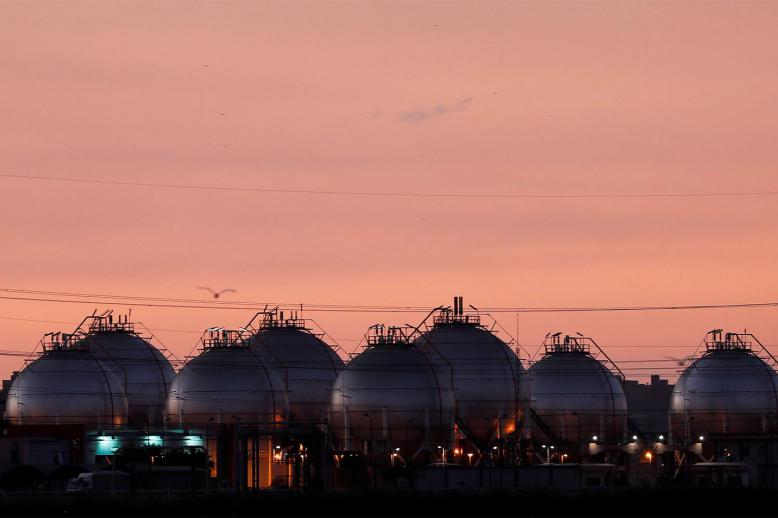
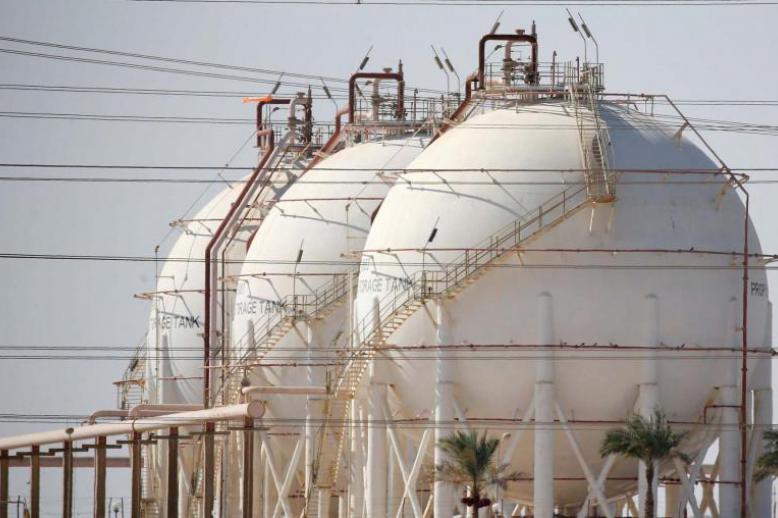
Agreements fit within a wider regional energy vision promoted by Cairo
Egypt moves to supply gas to Syria as Damascus seeks Arab reintegration
Analysts say the emerging energy cooperation linking Egypt, Syria and Lebanon reflects a broader regional shift that blends economic pragmatism with political recalibration.
Tuesday 06/01/2026
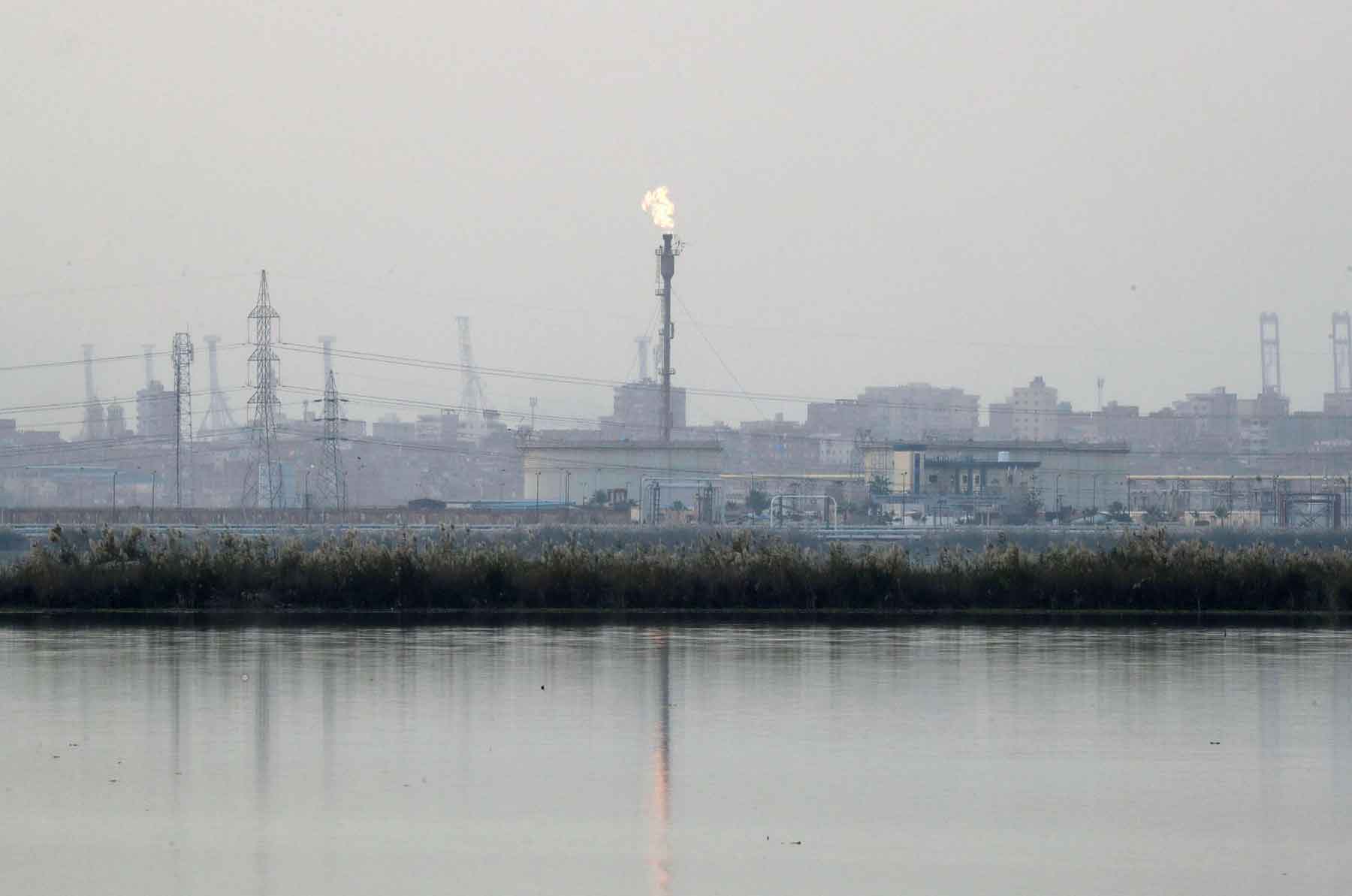
Agreements fit within a wider regional energy vision promoted by Cairo
DAMASCUS/CAIRO –
Egypt and Syria signed two memoranda of understanding on Monday aimed at supplying Egyptian gas for electricity generation in Syria and meeting Damascus’s needs for petroleum products, marking a significant step in Syria’s efforts to rebuild its shattered energy sector and re-anchor itself within the Arab fold.
The agreements were signed during a visit by a Syrian delegation from the Ministry of Oil and Mineral Resources, led by Deputy Minister of Energy for Oil Affairs Ghiath Diab, to the Egyptian capital. According to statements from Egypt’s Ministry of Petroleum and Mineral Resources and Syria’s state news agency SANA, Diab signed on behalf of Damascus, while Head of Legal Department at Egypt's Ministry of Petroleum and Mineral Resources Mohamed El-Bagouri, represented Cairo.
The first memorandum focuses on cooperation to supply gas to Syria via Egypt for power generation, while the second addresses Syria’s broader needs for petroleum products. The deals come as Damascus scrambles to find solutions to chronic electricity shortages that have worsened living conditions after more than a decade of conflict.
During the visit, the Syrian delegation also held talks with Egyptian Minister of Petroleum and Mineral Resources Karim Badawi on prospects for expanding bilateral cooperation across the oil and gas sectors. Discussions included opportunities to rehabilitate Syria’s damaged gas and petroleum infrastructure and to draw on Egyptian technical expertise in energy development.
The agreements fit within a wider regional energy vision promoted by Cairo. Last month, Badawi told the annual ministerial meeting of the Arab Organisation of Petroleum Exporting Countries (OAPEC) in Kuwait that Egypt was proposing initiatives to strengthen Arab energy security, including the creation of a regional mechanism to coordinate emergency purchases of oil and liquefied natural gas.
For Damascus, the deal reflects a broader strategy to revive regional partnerships and improve energy supplies to support reconstruction and development. Syria’s power sector has been devastated by war, sanctions and infrastructure destruction, leaving large parts of the country reliant on limited electricity for only a few hours a day.
The Egyptian-Syrian move also comes amid growing international and regional interest in Syria’s energy recovery. In recent weeks, US firm GE Vernova and Germany’s Siemens Energy have reportedly held talks on supplying gas turbines for a $7 billion project to rebuild Syria’s power sector. Qatar and Turkey have also been contributing to efforts to restore key energy projects.
Egypt has positioned itself as a regional energy hub in recent years. In December, Cairo signed a memorandum of understanding with Lebanon to supply Egyptian gas for electricity generation, highlighting a widening role for Egypt in easing energy shortages across the eastern Mediterranean.
Analysts say the emerging energy cooperation linking Egypt, Syria and Lebanon reflects a broader regional shift that blends economic pragmatism with political recalibration. If successfully implemented, the projects could pave the way for deeper electricity interconnection and energy exchange among Arab states, offering a potential model for regional cooperation at a time of persistent instability.
For ordinary citizens in Syria, where electricity shortages have become a defining hardship, the success of such agreements could provide rare relief. For the region, they underscore how energy diplomacy is becoming a key vehicle for restoring ties, reshaping alliances and addressing shared economic pressures.