

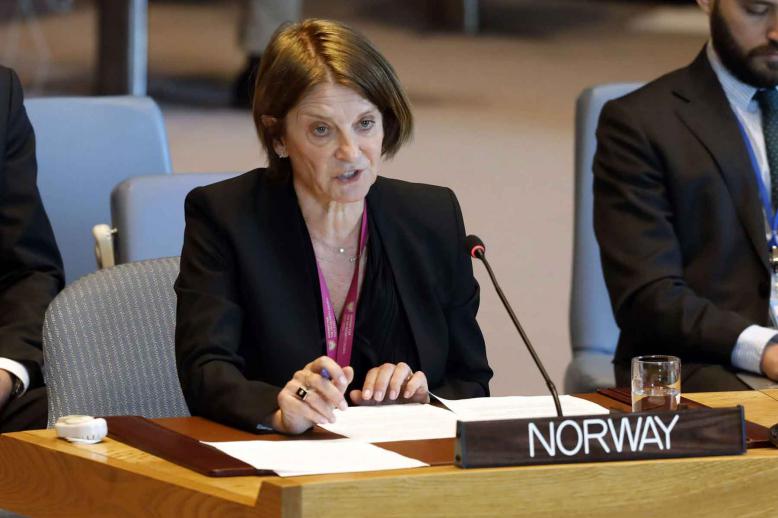
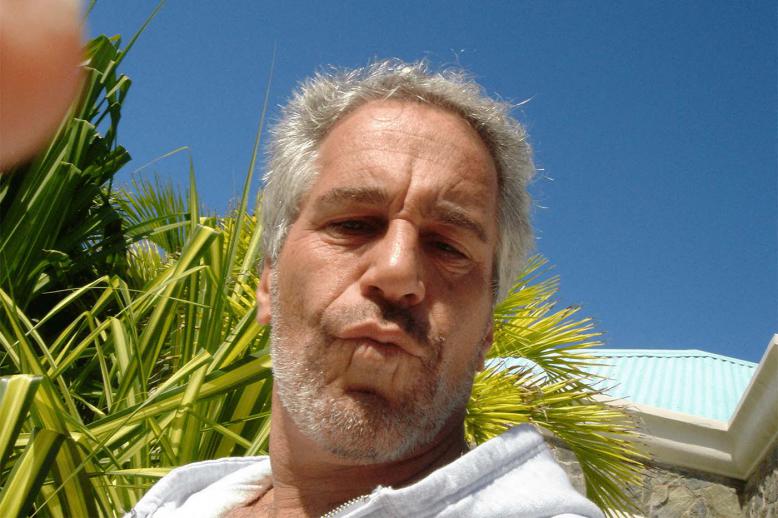

Mandelson is in hot waters
Epstein urged Ex-Israeli PM to give Mandelson role in selling Israeli energy firm
The late convicted sex offender directly suggested that former Barak task former British Business Secretary with helping to sell Paz Oil Company, Israel's largest fuel retailer at the time.
Tuesday 03/02/2026

Mandelson is in hot waters
LONDON - Newly unsealed documents from US Department of Justice files on the late convicted sex offender Jeffrey Epstein have exposed yet another layer of his extensive network among global political and business elites.
In August 2013, Epstein directly suggested that former Israeli Prime Minister Ehud Barak task British politician Lord Peter Mandelson with helping to sell Paz Oil Company, Israel's largest fuel retailer at the time.
The correspondence, first detailed by Middle East Eye, begins with an email from Epstein to Mandelson on 2 August 2013:
"I asked ehud to call you re paz in israel"
Mandelson replied the next day:
"Paz ? He [Barak] hasn't called me."
Epstein clarified:
Paz was an Israeli oil business "that will need to be sold". He added: "i told him to give you the task".
Later in the month, Mandelson responded:
"Am interested in Paz."
Paz Oil Company (logo above) was then Israel's dominant fuel and energy distributor, headquartered in Yakum. The emails suggest Epstein positioned Mandelson — a former UK Business Secretary and EU Trade Commissioner — as a potential facilitator or advisor for its privatisation or sale.
Background on the Key Figures
- Jeffrey Epstein: By 2013, Epstein had already pleaded guilty in 2008 to procuring a minor for prostitution in Florida. He maintained contact with high-profile associates long after his conviction.
- Ehud Barak: Former Israeli prime minister (1999–2001) and defence minister. Barak and Epstein had a documented business and personal relationship spanning years, including post-conviction meetings and joint ventures.
- Lord Peter Mandelson: A senior Labour figure often called the "Prince of Darkness" for his political influence. In 2013, he was out of frontline government but active in business and lobbying (e.g., via Global Counsel). Mandelson has faced repeated scrutiny over Epstein ties, including recent claims of payments from Epstein and his resignation from the Labour Party in early 2026 amid fresh document releases.
Context and Implications
The 2013 exchange occurred while Barak was exploring business opportunities after leaving government, and Epstein frequently acted as a connector for deals involving energy, tech, and geopolitics.
Paz was not ultimately sold in the manner discussed (it remains a major Israeli company under different ownership structures today), but the suggestion illustrates how Epstein inserted himself into high-stakes international transactions.
These emails are part of a larger 2025–2026 tranche of Epstein documents that have renewed global attention on his post-conviction influence. They add to revelations about Mandelson's interactions with Epstein - including earlier requests for Israel-related vetting advice - and Barak's decade-long association with the financier.
Neither Barak nor Mandelson has publicly commented specifically on the Paz emails in the latest reporting. Mandelson has previously denied professional dealings with Epstein beyond limited social contact and has disputed certain financial claims arising from the files.
The British opposition — primarily the Conservatives, Liberal Democrats, and SNP — has ramped up pressure on the UK government and Parliament to address Mandelson's long-standing ties to Epstein.
Key calls include forcing a debate, passing emergency legislation to strip him of his peerage, and launching inquiries into his past conduct and appointments.
Mandelson resigned from the Labour Party on February 2, stating he did not wish to cause "further embarrassment" to the party amid the "understandable furor" surrounding Epstein. He subsequently stepped down from the House of Lords, with the Lord Speaker confirming the move amid mounting pressure.
Prime Minister Keir Starmer has publicly urged Mandelson to relinquish his peerage and title, describing him as unfit to remain a member of the upper chamber.
The government referred relevant material to the Metropolitan Police, who are now reviewing — and reportedly set to launch — a criminal investigation into potential misconduct in public office, including leaks of market-sensitive information.
This episode underscores the opaque web of relationships Epstein cultivated across politics, intelligence-adjacent figures, and energy sectors — relationships that continued well after his criminal conviction became public knowledge.