

A cautious yet significant effort to influence the country’s trajectory
EU pledges $722 million to drive Syria’s post-war reconstruction
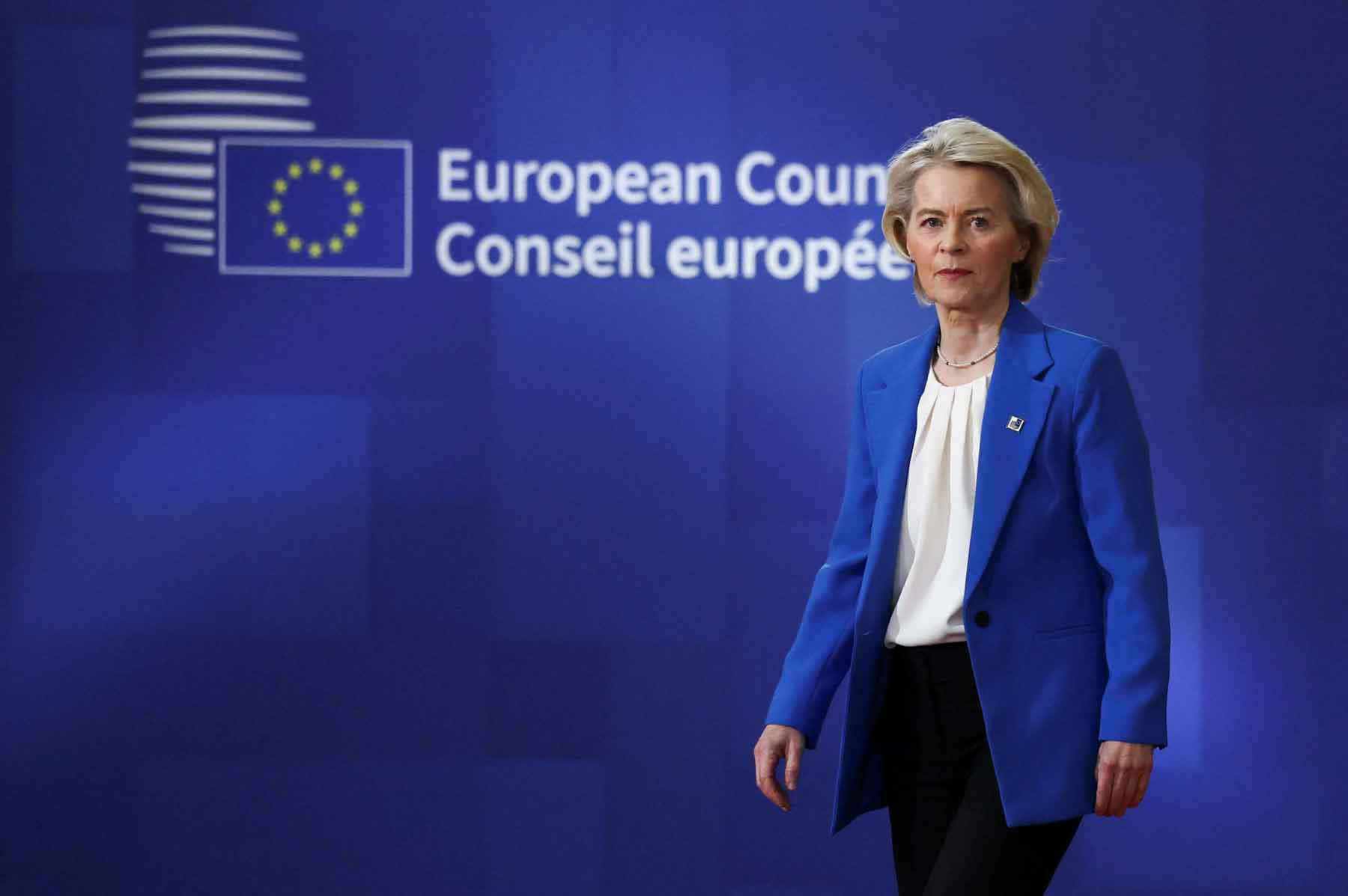
Von der Leyen and European Council President Antonio Costa are the most senior EU officials to visit Syria since Assad’s ouster, underlining the bloc’s strategic interest in engaging with Damascus.
Friday 09/01/2026
A cautious yet significant effort to influence the country’s trajectory
BRUSSELS/DAMASCUS –
The European Union announced on Friday that it will provide Syria with €620 million ($722 million) over the next two years to support post-war recovery, humanitarian aid, and bilateral cooperation, in a move reflecting Europe’s renewed engagement with the country following the ousting of longtime president Bashar al-Assad in December 2024.
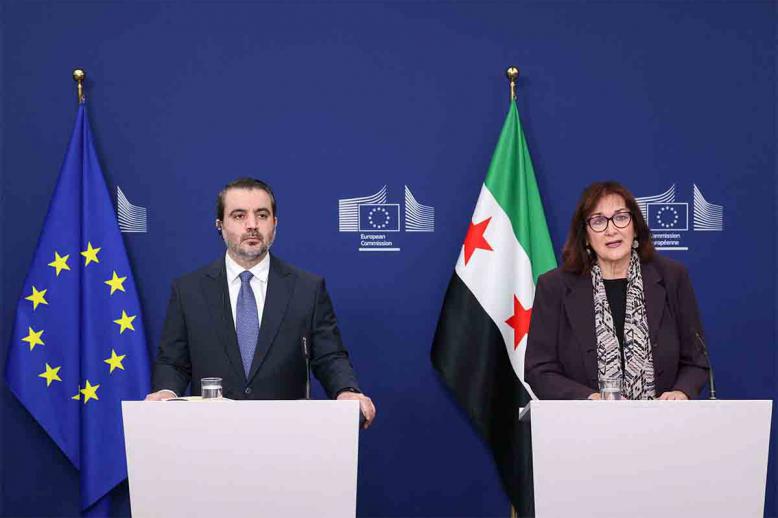
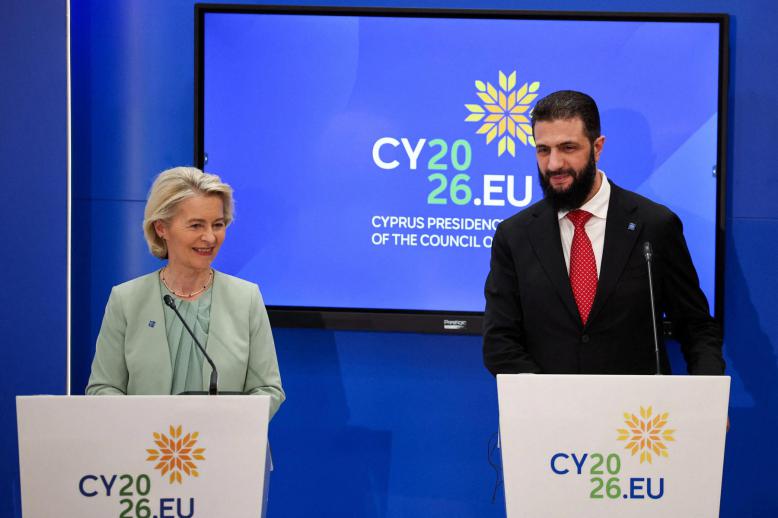
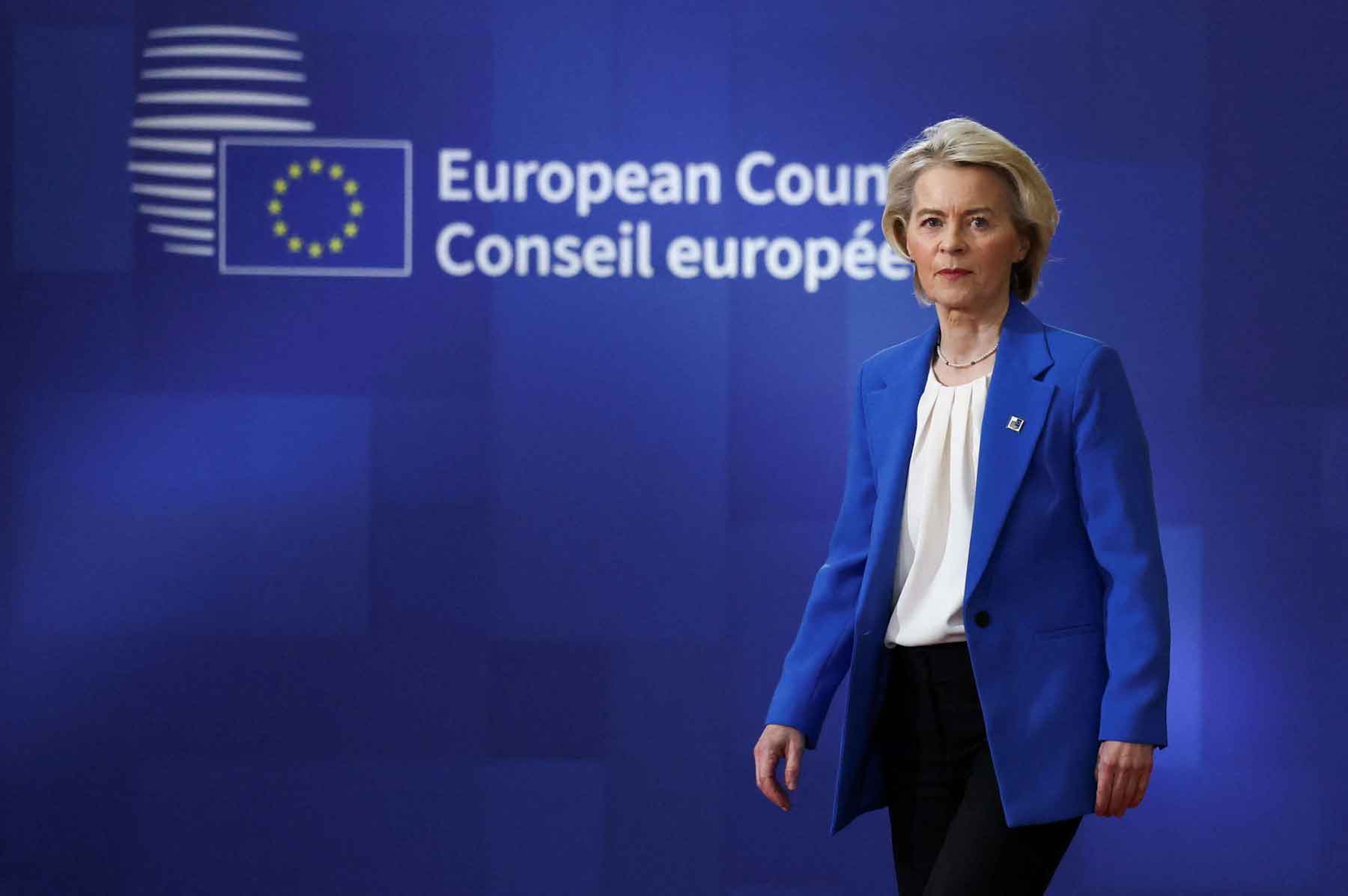
European Commission President Ursula von der Leyen, speaking during a visit to Damascus, stressed the scale of the challenge.
“After years of devastation under the Assad regime, Syria’s recovery and reconstruction needs are immense, and I could see it with my own eyes,” she said.
The EU leader also emphasised the bloc’s intention to begin talks on reviving a cooperation accord with Syria, launching a new political partnership that will include high-level discussions in the first half of 2026.
Von der Leyen and European Council President Antonio Costa are the most senior EU officials to visit Syria since Assad’s ouster, underlining the bloc’s strategic interest in engaging with Damascus at a critical moment. Their visit comes amid escalating violence in northern Syria, where clashes between government forces and Kurdish fighters in Aleppo this week have left civilians exposed and displaced tens of thousands. Von der Leyen described the situation as “worrisome” and called for continued dialogue between all parties.
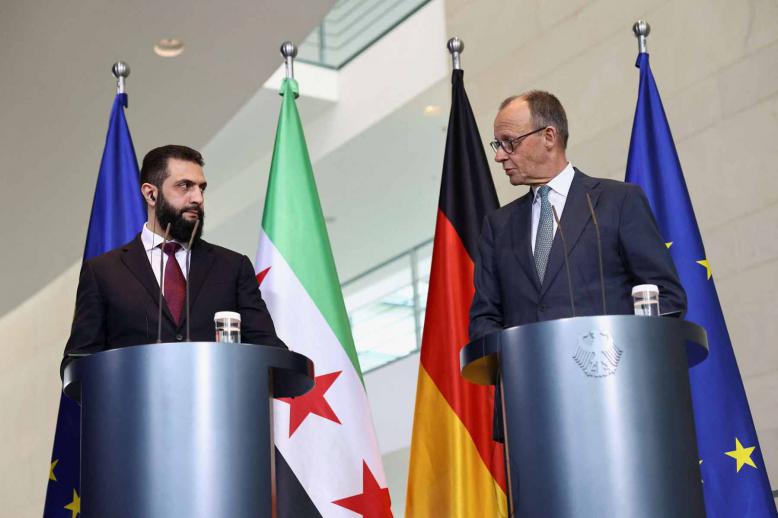
A Syrian presidency statement confirmed that talks with von der Leyen covered reconstruction, humanitarian issues and the refugee situation in Europe.
A joint EU-Jordan statement issued on Thursday, ahead of the EU leaders’ arrival, highlighted a commitment to support “a peaceful and inclusive Syrian-led and Syrian-owned transition,” signalling Brussels’ intention to influence Syria’s post-war trajectory.
The aid package follows an earlier €2.5 billion commitment by the EU for 2025 and 2026, reflecting a broader strategy to stabilise the region.
Last year, the EU lifted economic sanctions imposed under Assad, creating an opening for renewed political and economic engagement. Officials say the bloc aims to leverage aid and dialogue to encourage reforms, strengthen state institutions, and ensure minority protections, particularly for Kurdish communities in areas affected by ongoing hostilities.
Syria continues to face daunting challenges after more than a decade of civil war, sparked by the regime’s brutal crackdown on pro-democracy protests in 2011. President Ahmed al-Sharaa, who replaced Assad, is attempting to consolidate authority across the country, restore state control, and address the humanitarian crisis that has left millions displaced and basic services in ruins.
The EU’s renewed involvement also reflects a broader geopolitical calculation. By supporting reconstruction and humanitarian relief, Brussels seeks to position itself as a key stakeholder in shaping Syria’s post-war recovery, even as regional actors and internal factions vie for influence.
Analysts note that the timing of the aid package, amid renewed fighting in Aleppo, underscores the fragility of the situation and the limits of international leverage in areas controlled by armed groups.
Von der Leyen affirmed on X that “Europe will do everything it can to support Syria’s recovery and reconstruction,” signalling a long-term commitment to stabilisation and development. The EU visit included discussions on refugee returns and regional cooperation, reflecting a pragmatic approach that links humanitarian and political objectives.
With the Syrian government under pressure to protect vulnerable populations and extend state authority while navigating ongoing armed clashes, Brussels’ support marks a cautious yet significant effort to influence the country’s trajectory and prevent further humanitarian catastrophe.