

Fragile balance between cooperation and confrontation
EU rebukes Turkey over deportations, media crackdown
Press freedom has also become a flashpoint in Turkey’s relations with Europe. In recent years, foreign correspondents have faced criminal investigations, detention and deportation.
Thursday 12/02/2026
Fragile balance between cooperation and confrontation
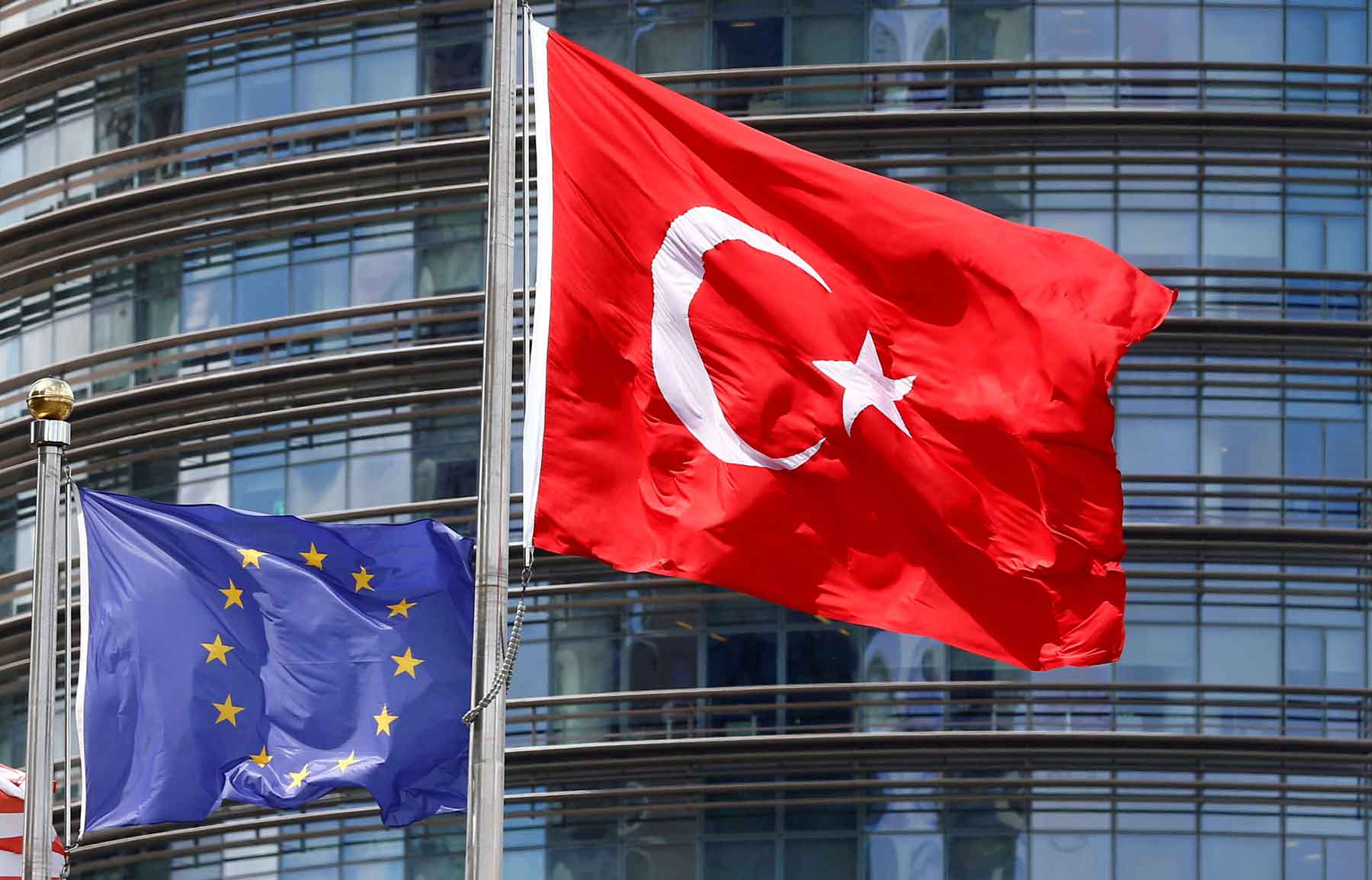
STRASBOURG, France – The European Parliament has sharply criticised Turkey over what it described as the “targeted expulsion” of foreign Christians and journalists, urging Ankara to halt the practice immediately and allow those affected to return.
In a resolution adopted on Thursday, a majority of EU lawmakers denounced what they called systematic judicial and administrative pressure on foreign media workers, warning that such actions undermine press freedom and religious rights. Although non-binding, the motion reflects growing concern in Brussels over Turkey’s human rights record and its treatment of foreign nationals.
Lawmakers also condemned Turkey’s use of administrative classifications to label hundreds of foreign Christians as national security risks, a designation that has led to deportations and long-term entry bans. The resolution called on Turkish authorities to reverse these measures and reinstate residency rights for individuals expelled without transparent legal justification.
Advocacy organisations say the impact has been significant. Alliance Defending Freedom International, a Christian legal group, recently said around 20 cases involving foreign Christians barred from Turkey are currently before the European Court of Human Rights. According to the organisation, those affected were effectively prohibited from returning to the country because of their religious activities.
Concerns over restrictions on Protestant clergy were also highlighted in a US government watchdog report last year, which found that foreign religious leaders who had been legally living in Turkey were subjected to national security bans.
Turkish authorities have strongly rejected the allegations. The presidency’s counter-disinformation centre dismissed claims of religious discrimination as unfounded, insisting deportation decisions were based solely on legitimate security assessments.
Officials described the accusations as part of what they called a coordinated misinformation campaign aimed at damaging Turkey’s international reputation.
Press freedom has also become a flashpoint in Turkey’s relations with Europe. In recent years, foreign correspondents have faced criminal investigations, detention and deportation. Among them was a BBC journalist expelled in March 2025, while a Swedish reporter was arrested upon arrival to cover protests and later convicted on charges of insulting President Recep Tayyip Erdogan.
The tightening environment for journalists has drawn increasing scrutiny following political tensions inside Turkey, particularly after legal action against prominent opposition figures including Istanbul mayor Ekrem Imamoglu, widely seen as a key rival to Erdogan.
Relations between Ankara and the European Union have been strained for years over concerns about democratic standards, judicial independence and civil liberties. Disputes over energy exploration in the eastern Mediterranean, especially with EU member Greece, have further complicated ties.
However, both sides are also seeking areas of cooperation amid shifting global dynamics. Turkey’s strategic position and its role in regional security, migration management and the war in Ukraine make it an important partner for Brussels.
There is renewed interest in modernising the EU-Turkey customs union, a long-standing objective that could deepen economic integration. But EU officials say meaningful progress would require political compromises and reforms that remain difficult for both sides to achieve.
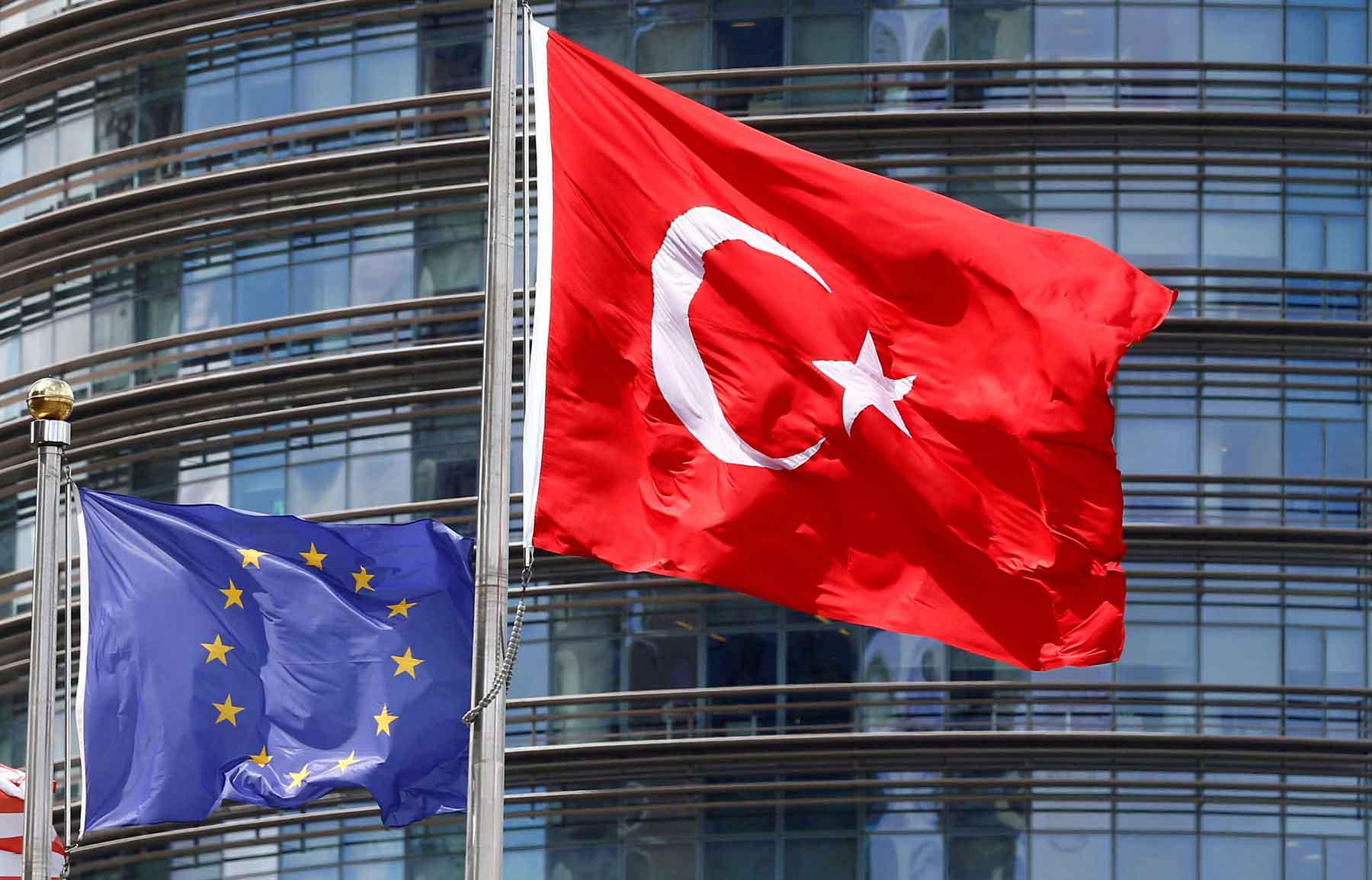
The European Parliament’s latest resolution underscores the continuing tensions, highlighting the fragile balance between cooperation and confrontation in EU-Turkey relations.