

International recognition of Morocco’s expertise in handling complex security files
France, Morocco deepen security, judicial cooperation amid rising threats
The cooperation underscores international recognition of Morocco’s expertise in handling complex security files.
Monday 02/02/2026
International recognition of Morocco’s expertise in handling complex security files
RABAT
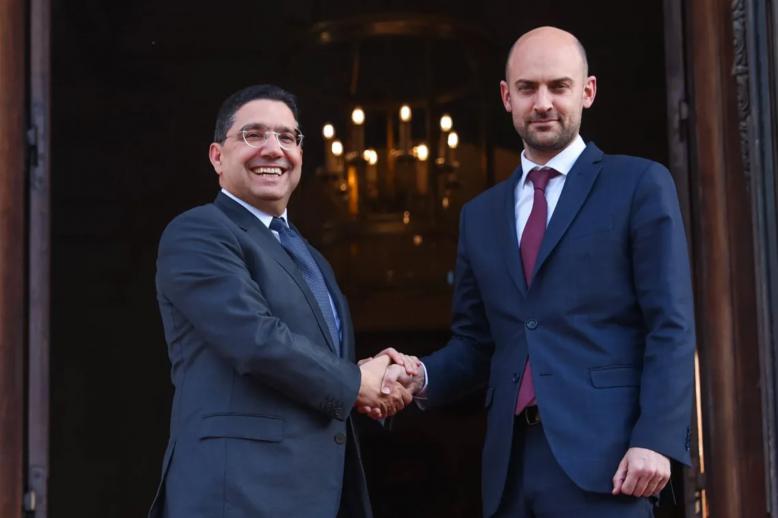
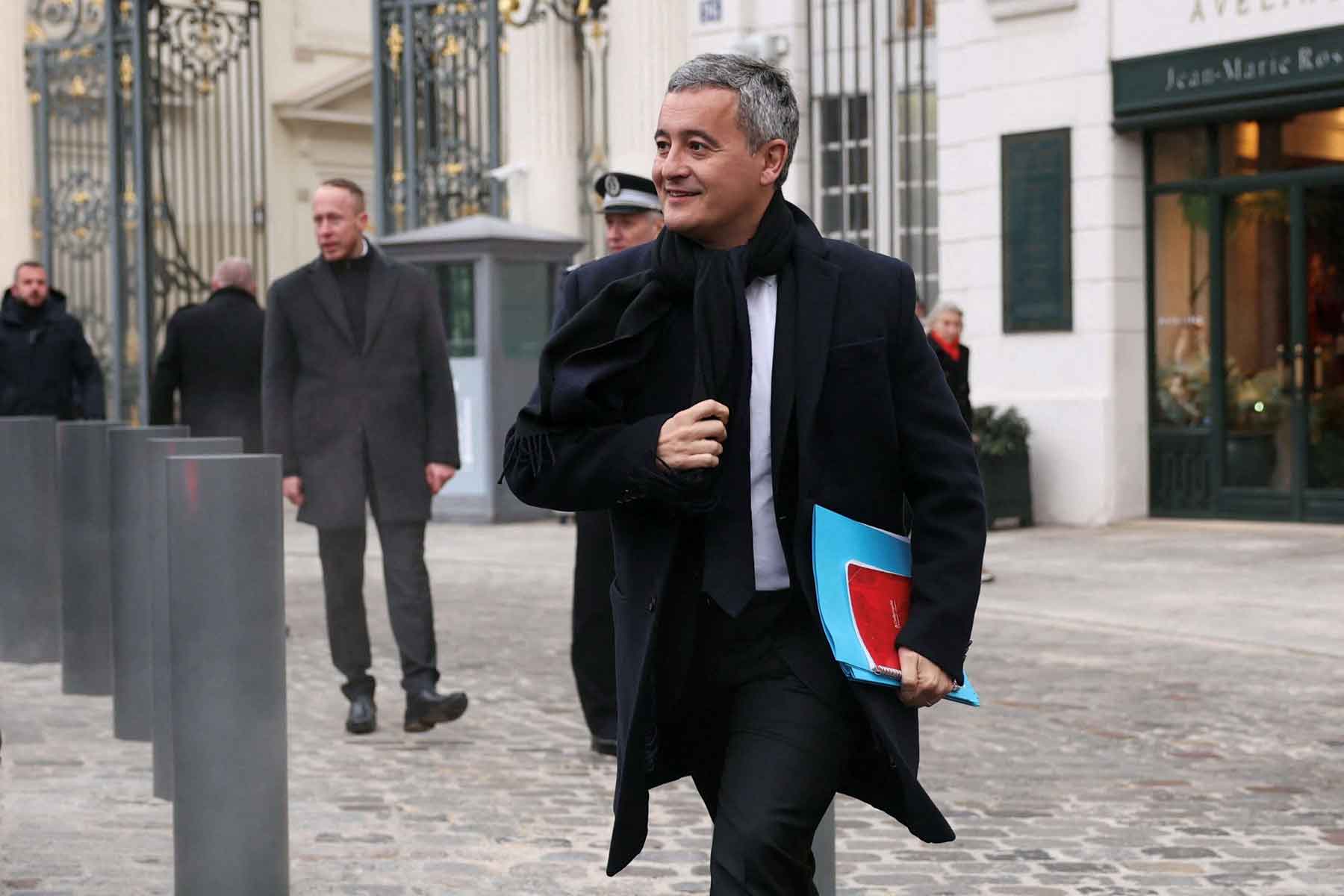
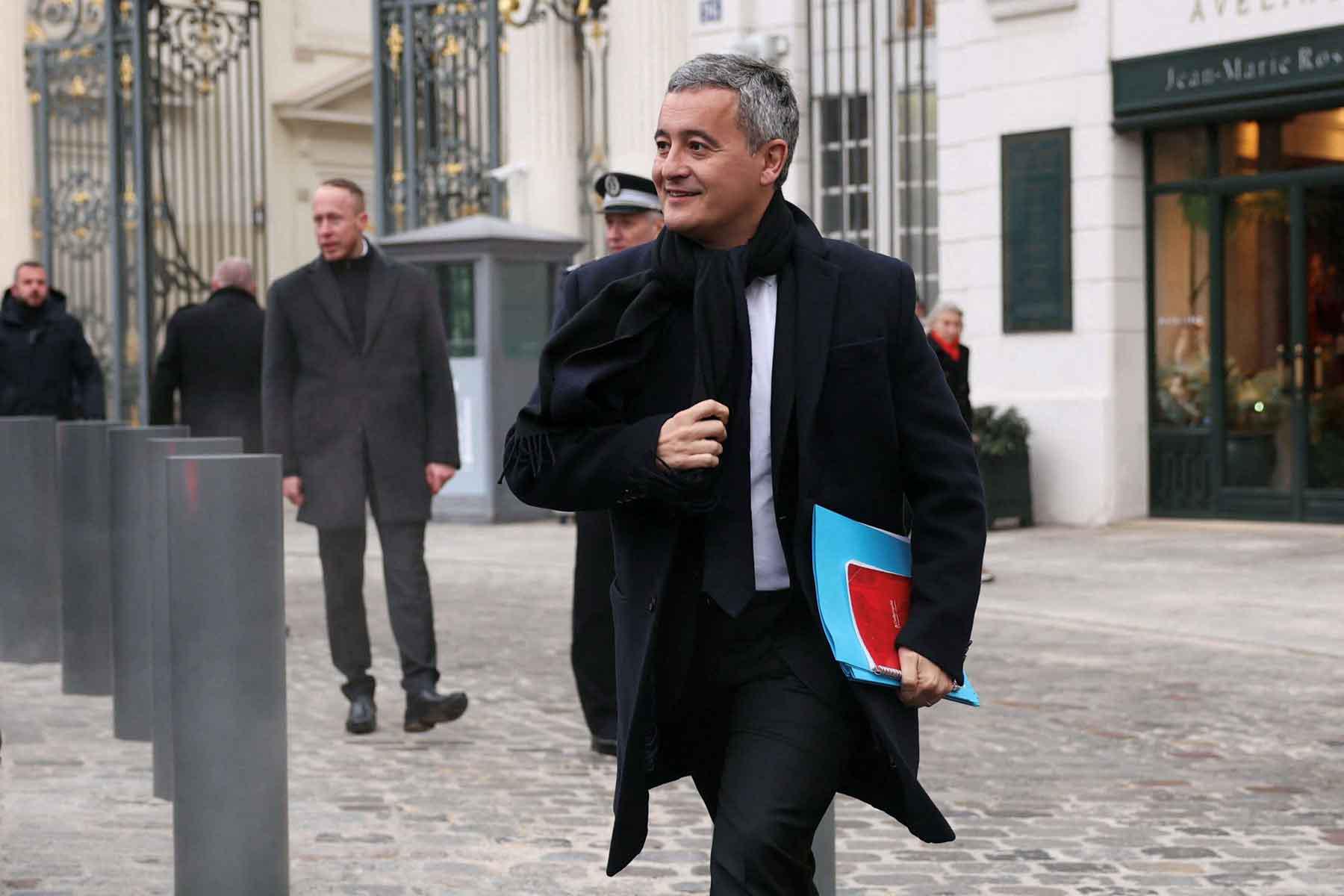
French Justice Minister Gerald Darmanin began an official visit to Morocco on Monday, marking his second trip to the kingdom in less than a year and signalling the intensifying cooperation between Paris and Rabat on security and judicial matters.
French authorities have increasingly recognised Morocco’s central role in combating transnational crime, citing tangible results that have enhanced France’s national security.
Darmanin’s visit is intended to consolidate judicial coordination in addressing rapidly evolving security challenges, reflecting a bilateral relationship that has moved from traditional alliance to a deep partnership with operational collaboration on the ground.
The momentum of this cooperation was evident earlier this year when Moroccan authorities extradited one of the leading figures in criminal networks involved in drug trafficking in Marseille, underscoring the high level of trust between the two judicial systems.
The collaboration extends beyond conventional crime. Moroccan authorities in Tangier recently arrested a suspect involved in kidnappings linked to digital money laundering, a highly-technical case, and handed over two individuals implicated in an attack on a prisoner transport vehicle in France that resulted in the deaths of two guards. These operations, particularly the prisoner escape case, received high-level praise in Paris, showcasing Morocco’s rapid and effective judicial response.
During a post on X (formerly Twitter) following a meeting last weekend with Morocco’s ambassador to Paris Samira Sitail, Darmanin confirmed that the core objective of his visit is to take decisive action against drug trafficking networks.
Sources familiar with the visit said discussions will include international drug trafficking, identifying French nationals suspected to be in Morocco, and combating financial fraud and money laundering via technology and cryptocurrencies.
The cooperation underscores international recognition of Morocco’s expertise in handling complex security files. The kingdom has become a high-precision security filter in the Mediterranean, blending proactive field operations with judicial rigor.
Morocco’s security agencies, particularly the General Directorate for National Security and the Judicial Police, respond rapidly to Interpol “red notices.”
In the case of French fugitive Mohamed Omrah, nicknamed “the Fly,” Moroccan authorities located and arrested the suspects in Marrakesh within hours, a response described in Paris as “benchmark performance.”
Moroccan expertise in security has also extended beyond Europe. In the “Fox Hunt” operation, a Chinese economic fugitive was extradited, and a Danish national wanted for drug offences was arrested at Mohammed V Airport in Casablanca, in coordination with the US Drug Enforcement Administration (DEA).
These developments demonstrate that the framework for combating terrorism and organised crime between Morocco and France has reached full maturity. Shared security priorities and judicial values now outweigh previous challenges, paving the way for a new era of sustainable and institutionalised cooperation between the two countries.