

Gargash: We have grown accustomed to Iranian bullying
Gargash dismisses Iran’s Strait of Hormuz claims as ‘pipe dreams’
Gargash said trust between Iran and its Arab neighbours had been eroded by decades of what he described as intimidation, aggressive rhetoric and repeated violations of sovereignty.
Thursday 21/05/2026
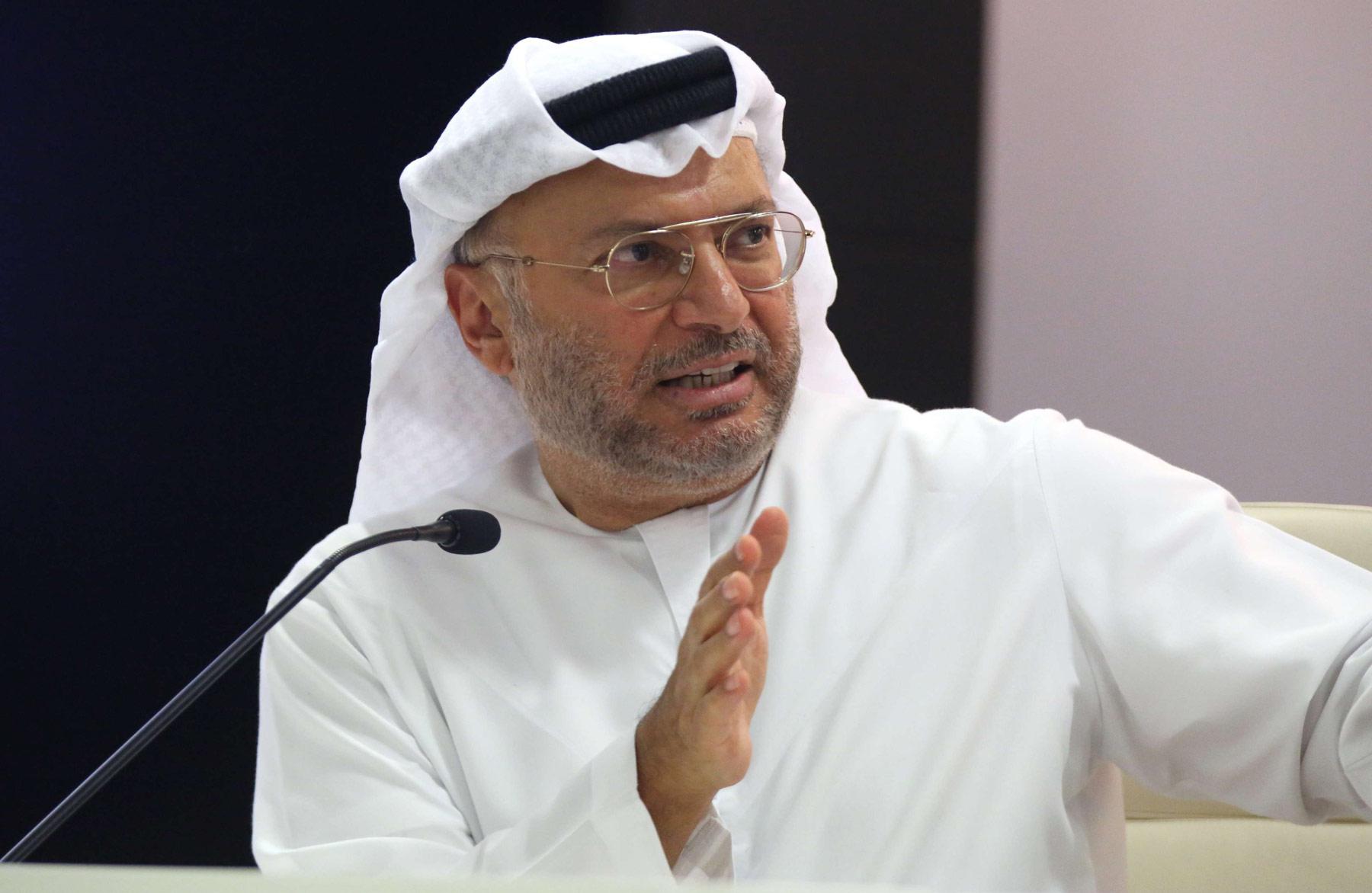
Gargash: We have grown accustomed to Iranian bullying
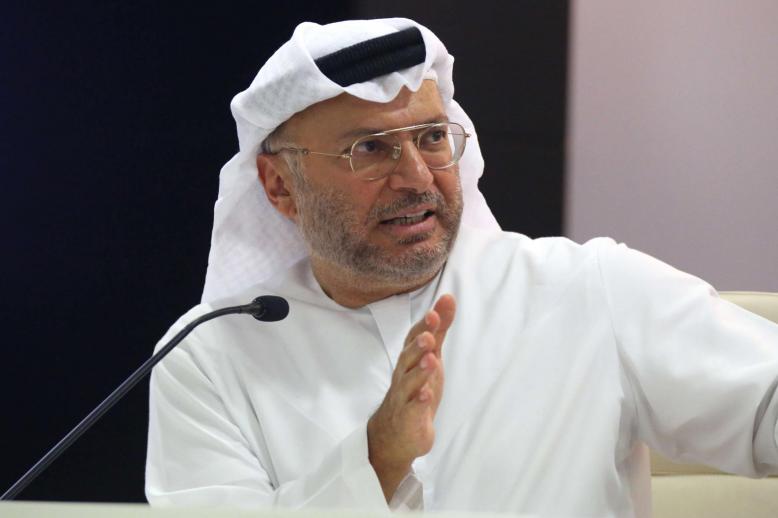
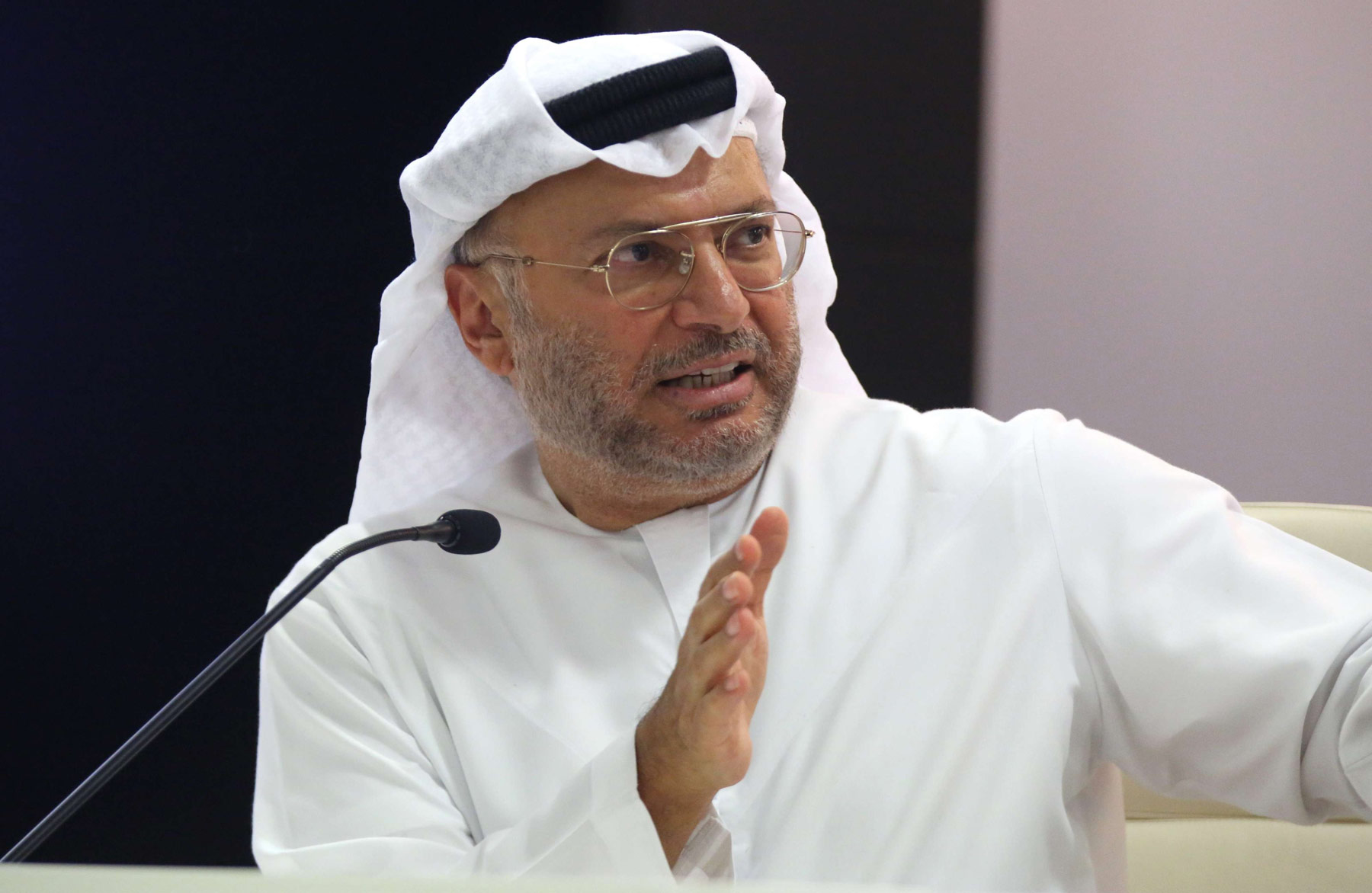
ABU DHABI – A senior United Arab Emirates official on Thursday dismissed Iranian claims of control over waters in the Strait of Hormuz as “pipe dreams,” accusing Tehran of attempting to impose a new regional reality after suffering military setbacks in its confrontation with the United States and Israel.
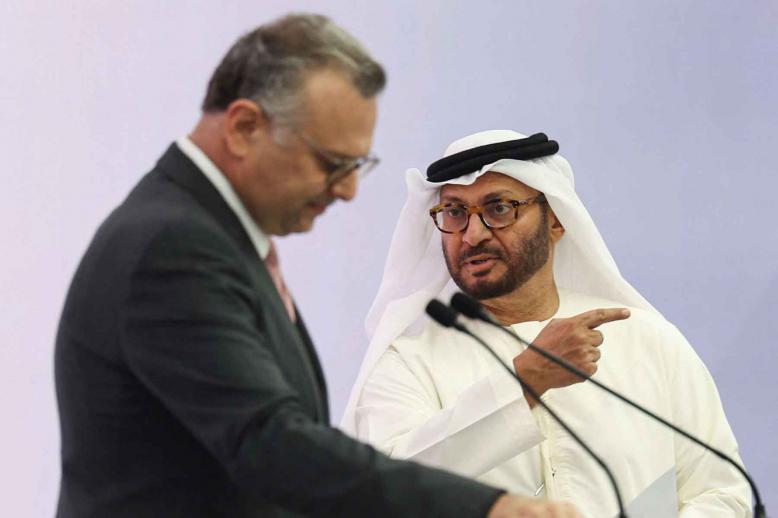
Anwar Gargash, diplomatic adviser to UAE President Sheikh Mohamed bin Zayed Al Nahyan, said trust between Iran and its Arab neighbours had been eroded by decades of what he described as intimidation, aggressive rhetoric and repeated violations of sovereignty.
“The regime is trying to establish a new reality born from a clear military defeat, but attempts to control the Strait of Hormuz or infringe on the UAE’s maritime sovereignty are nothing but pipe dreams,” Gargash said in a post on X.
“We have grown accustomed to Iranian bullying over many decades until it became part of the political landscape in the Arabian Gulf, and credibility was lost between aggressive rhetoric and hollow gestures of friendship,” he added.
His comments came after an Iranian body overseeing the strategically vital Strait of Hormuz claimed authority over Emirati waters in the area, escalating already heightened tensions across the Gulf following months of conflict linked to the Iran war.
The narrow waterway between Iran and Oman is one of the world’s most critical energy chokepoints, with roughly a fifth of global oil and liquefied natural gas shipments normally passing through it. Shipping traffic has been severely disrupted since Iran effectively blockaded the strait following US-Israeli strikes on Tehran earlier this year.
Global energy markets and supply chains have been shaken by the conflict, which has drawn Gulf states deeper into regional instability despite repeated efforts by Arab governments to avoid direct military escalation.
The UAE has come under sustained attack since late February, with officials saying more than 2,500 missiles and drones launched by Iran have targeted the country. Abu Dhabi said a drone strike near the Barakah Nuclear Energy Plant on Sunday caused a fire, while two additional drones were intercepted the same day.
According to Emirati authorities, the drones were launched from Iraq, where Iran-backed armed groups have intensified attacks since the outbreak of the conflict. Saudi Arabia also said its air defences intercepted and destroyed three drones launched from Iraqi territory on Sunday.
Gargash described the targeting of the Barakah nuclear facility as a “dangerous indicator” of the scale of threats facing the region, calling the strike a “deliberate criminal act” and a direct violation of international law.
In a separate statement, he compared the attacks and Iran’s posture in the Strait of Hormuz to “hijacking and piracy”, warning that attempts to intimidate Gulf states would further deepen regional mistrust.
“Anyone who wants to coexist with the Arab environment must realise that trust is missing, and restoring it cannot be done with slogans, but through responsible language, safeguarding sovereignty, and genuine commitment to the principles of good neighbourliness,” Gargash said.
The sharp exchange comes as the United States and Iran remain engaged in fragile backchannel diplomacy mediated by Pakistan, with fears growing that a temporary truce could collapse into wider war.
US President Donald Trump said this week that Washington was prepared to launch a “full, large-scale assault” on Iran “on a moment’s notice” if negotiations failed.
Speaking at the White House on Tuesday, Trump said Iran was eager to strike a deal to end the conflict.
“They want to make a deal so badly, they’re tired,” Trump said. “It’s going to happen, and it’s going to happen fast.”
The UAE’s increasingly forceful rhetoric reflects mounting Gulf anxiety over the widening regional fallout from the war, particularly as attacks on energy infrastructure, maritime routes and strategic facilities raise fears of prolonged instability across one of the world’s most economically sensitive regions.