

Navigating Gulf concerns
GCC draws red lines for US-Iran talks, demands security guarantees
GCC Secretary-General Jassim Al Budaiwi that future understandings must be based on international law and respect for state sovereignty.
Thursday 25/06/2026
Navigating Gulf concerns
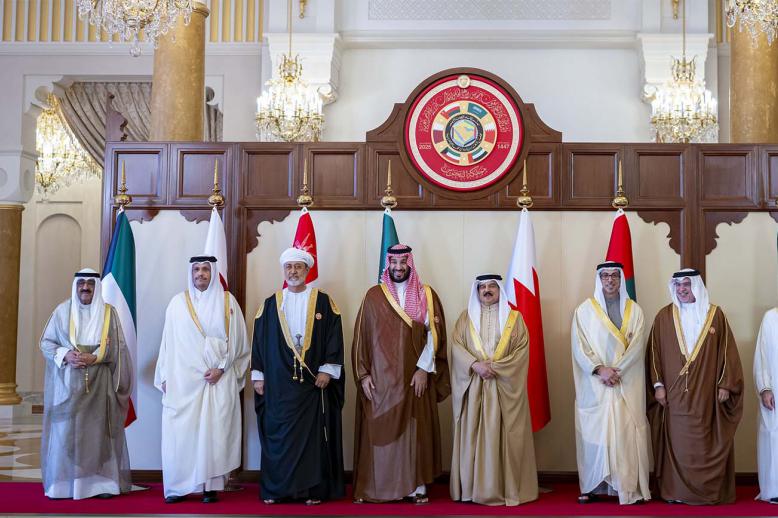
MANAMA – Gulf Arab states have demanded that their security concerns and strategic interests be incorporated into any future understanding between Washington and Tehran, signalling a coordinated effort to shape the regional order emerging after the devastating US-Iran war.
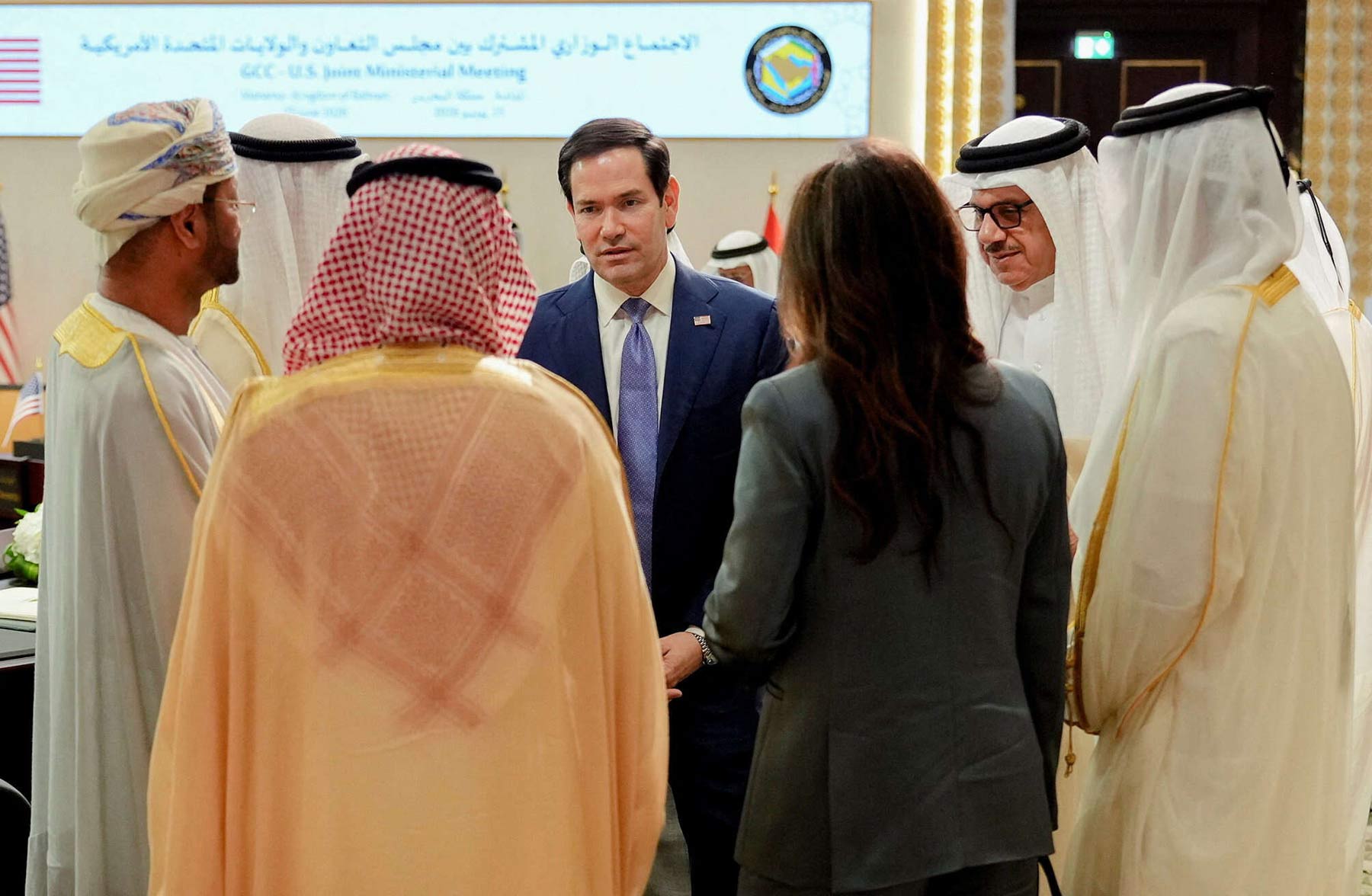
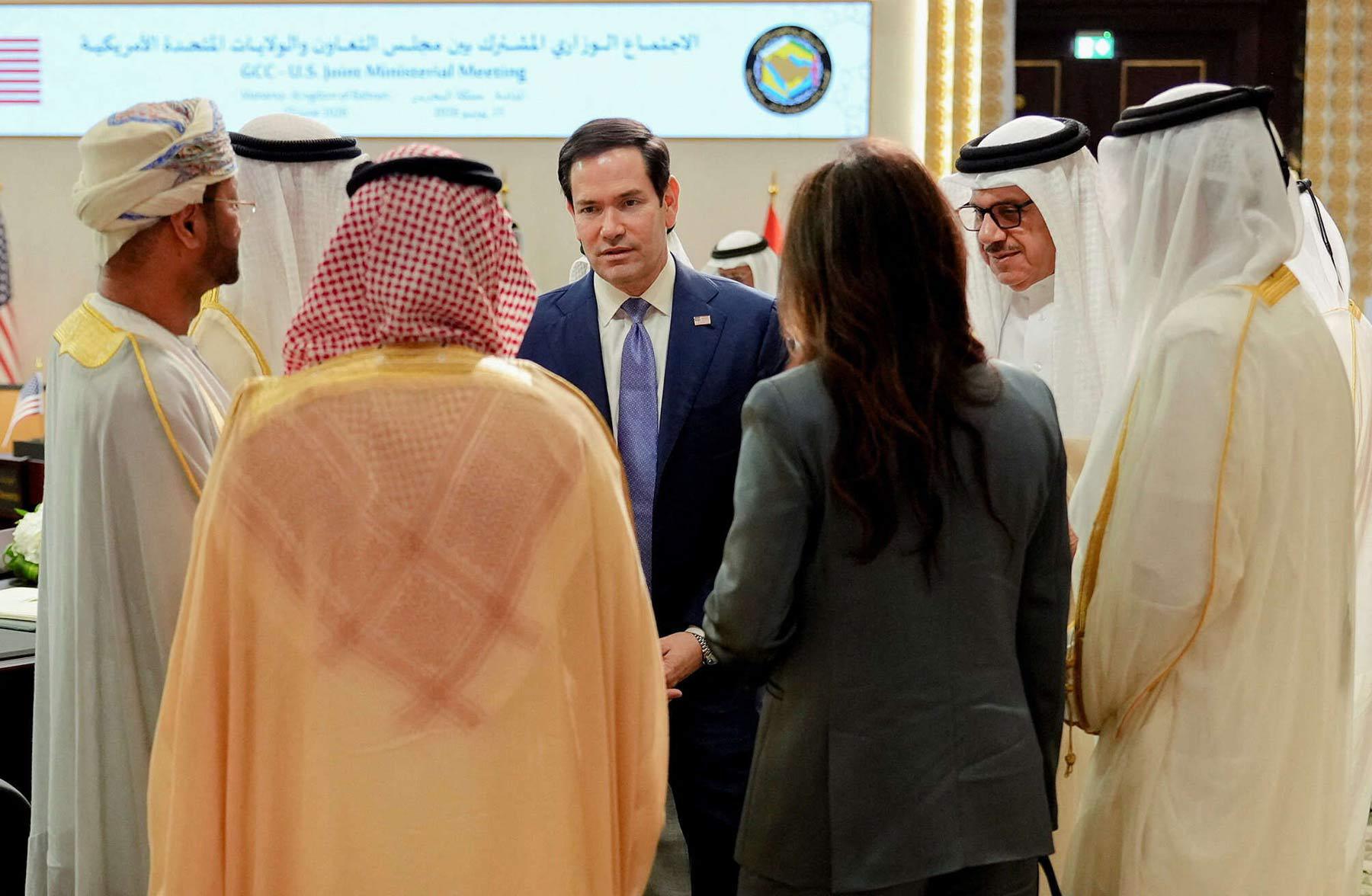
The message was delivered during a ministerial meeting in Bahrain between US Secretary of State Marco Rubio and foreign ministers from the six-member Gulf Cooperation Council (GCC), held a week after the United States and Iran signed a memorandum of understanding designed to pave the way towards a permanent settlement.
The talks reflected growing Gulf determination to ensure that negotiations affecting regional security are not conducted over their heads after GCC countries found themselves on the frontline of the conflict, suffering Iranian missile and drone attacks and economic disruption linked to the closure of the Strait of Hormuz.
GCC Secretary-General Jassim Al Budaiwi said ministers stressed that any future regional arrangements must include the requirements of Gulf states in a manner that safeguards their interests and guarantees their security and stability.
He added that future understandings must be based on international law, respect for state sovereignty, good neighbourly relations and non-interference in internal affairs.
The discussions were dominated by concerns over the future of the Strait of Hormuz, one of the world's most important maritime chokepoints, amid Iranian efforts to secure a greater role in regulating traffic through the waterway and proposals linked to transit fees for commercial shipping.
Gulf states have strongly opposed any measures that could undermine freedom of navigation or create new restrictions on maritime trade through the strategic passage, which is essential for global energy supplies.
Al Budaiwi said ministers welcomed diplomatic efforts aimed at reducing tensions while emphasising the need to guarantee maritime security, preserve freedom of navigation and uphold international law.
The meeting also welcomed Oman's decision to establish a safe maritime corridor through the Strait of Hormuz to facilitate shipping traffic. The initiative has been strongly backed by GCC states but rejected by Iran, with the Revolutionary Guards warning vessels against relying on the Omani route.
The issue has become a major test of Gulf influence over the shape of post-war arrangements.
Many Gulf governments fear that any concessions granting Tehran a special role in Hormuz could transform temporary wartime realities into long-term strategic gains, potentially giving Iran greater leverage over global energy flows and regional security.
The gathering in Bahrain highlighted a broader Gulf consensus: while GCC states support diplomacy and de-escalation, they insist that any regional settlement must preserve freedom of navigation, respect sovereignty and prevent new security arrangements from being imposed by force.