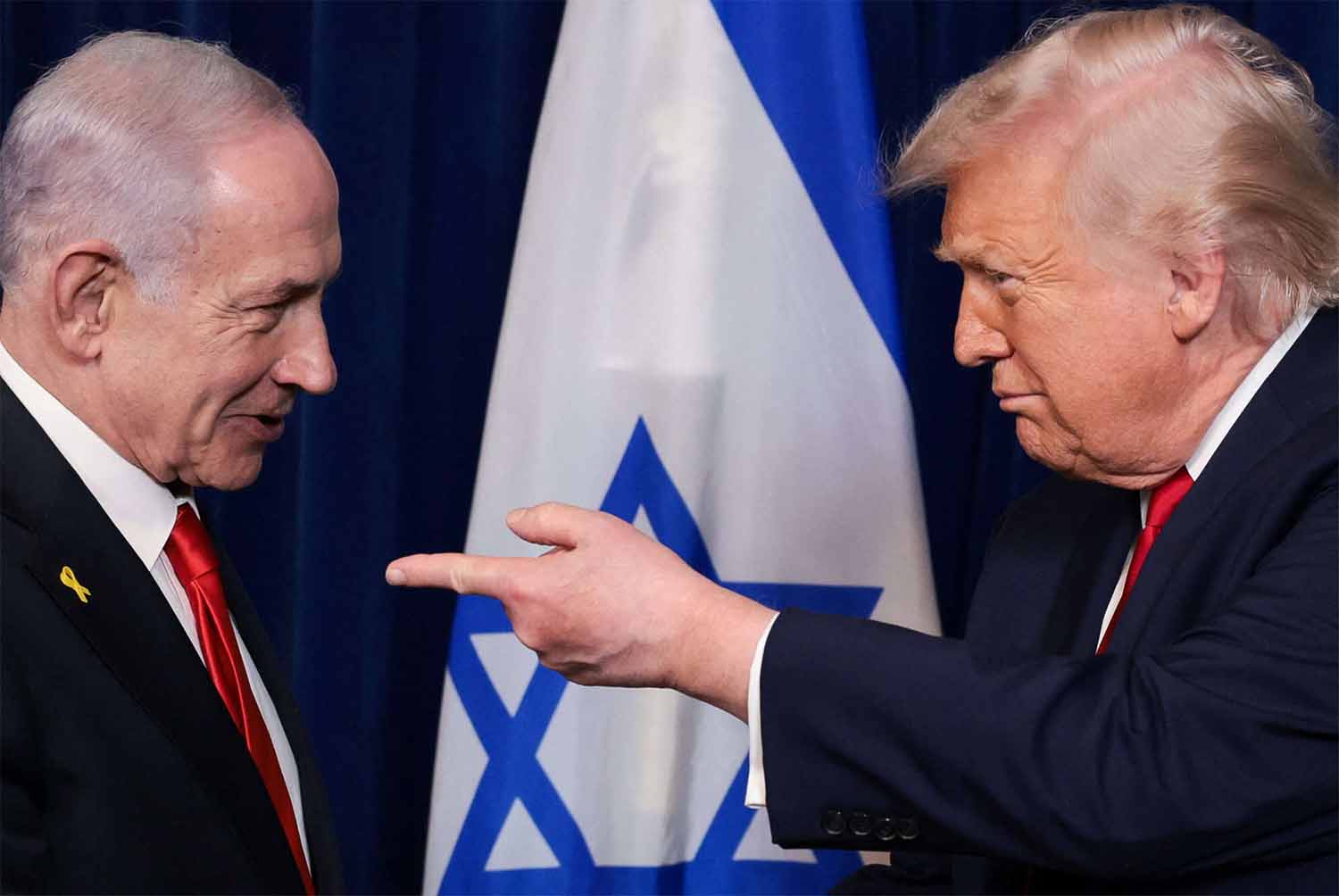
The recent, angry phone call from Trump to Netanyahu perfectly illustrates this breakdown
The Geography of compromise: How Trump's new exit strategy in Iran shatters Netanyahu’s legacy
While Washington views regional de-escalation as essential for global economic stability, Tel Aviv views any premature peace framework as an existential defeat.
Friday 19/06/2026
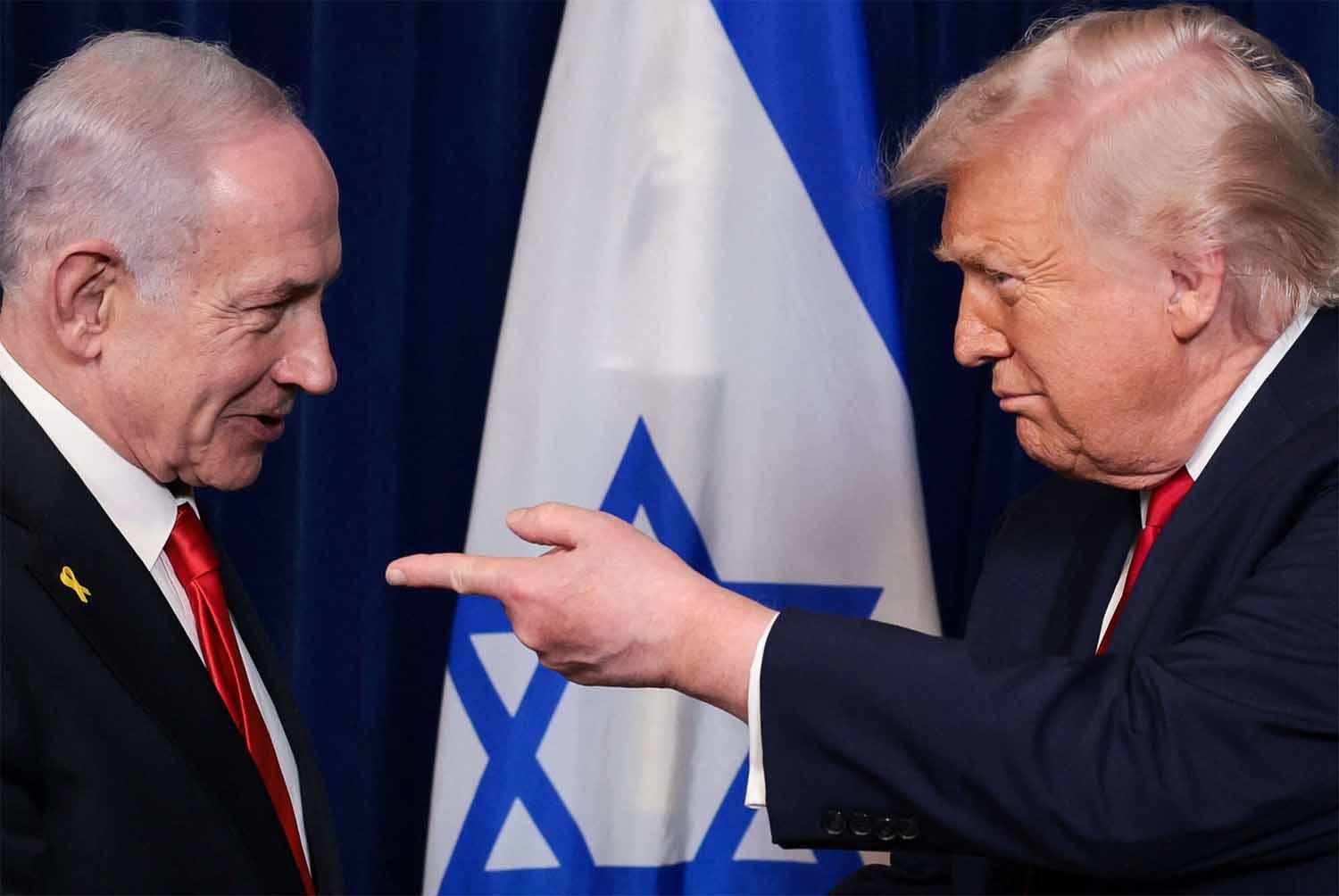
The recent, angry phone call from Trump to Netanyahu perfectly illustrates this breakdown
The modern international order is shifting rapidly. For decades, the partnership between the United States and Israel dictated the primary security architecture of the Middle East. However, the conflict that erupted on February 28, 2026, has exposed the structural limits of this alliance.
What began as a campaign of absolute military dominance has transformed into an exercise in political survival. **Recent leaks detailing a tense phone call between Donald Trump and Benjamin Netanyahu over regional escalations highlight this growing friction. The White House is increasingly frustrated that independent military actions are jeopardizing delicate diplomatic tracks.**
Initial declarations from Washington and Tel Aviv promised a complete transformation of the regional balance of power. However, reality imposed a sharp retreat from those ambitious goals. The emerging peace framework, mediated through diplomatic channels in Islamabad, reveals an uncomfortable geopolitical truth. Global superpowers cannot ignore the cold arithmetic of global economics. This strategic realignment is creating profound consequences across the region. Donald Trump’s urgent pursuit of a diplomatic exit strategy is directly sacrificing Benjamin Netanyahu’s lifetime political legacy.
The Fall of Maximalism
At the start of the conflict, the rhetoric from the White House was absolute. United States policymakers demanded total capitulation from Tehran. They openly discussed forced political transformation and the absolute dismantling of regional resistance networks. These goals seemed achievable after initial high-tech military successes and significant leadership disruptions within Iran.
However, three months of continuous conflict have demonstrated that tactical military superiority does not automatically create permanent diplomatic victories. The resilient Iranian state apparatus did not collapse. Instead, the administration in Washington found itself trapped in a war of attrition with no clear end.
The upcoming United States midterm elections have added immense domestic pressure on the presidency. The American public has little patience for another prolonged military campaign in West Asia. Consequently, the White House has systematically lowered its demands. The previous insistence on absolute regime surrender has been replaced by pragmatic negotiations. Washington is now willing to accept targeted guarantees regarding uranium stockpiles and maritime safety. This represents a significant contraction of American geopolitical ambitions.
The Geography of Attrition
The primary driver behind this diplomatic retreat is not a shift in political ideology. It is the simple reality of maritime geography. Iran’s closure of the Strait of Hormuz has acted as an economic weapon that high-tech military forces could not neutralize. The blockade effectively halted twenty percent of the global supply of crude oil. It also disrupted thirty percent of the global trade in chemical fertilizers.
The economic consequences were immediate and severe. Domestic gasoline prices in the United States skyrocketed. Inflationary pressures began to threaten Western financial stability. The American aerial campaign spent billions of dollars attempting to secure the waterway. Yet, high-tech naval defense systems could not overcome the basic topography of the Persian Gulf. Iran's mountainous northern coastline provided structural protection for its asymmetrical missile inventory.
The United States military realized that reopening the shipping lanes through force would require a massive ground war. Faced with a choice between economic collapse at home or a protracted land invasion abroad, Washington chose diplomacy. The priority shifted from achieving a total military victory to stabilizing global energy markets. This decision highlights a profound lesson: geography remains a dominant technology in modern warfare. Military planners must now re-evaluate their reliance on aerial power alone.
Netanyahu’s Deterrence Trap
This strategic shift by the United States has left the Israeli government in an extraordinarily vulnerable position. For decades, Prime Minister Benjamin Netanyahu built his political brand on a single core promise. He assured the Israeli public that absolute military deterrence would guarantee long-term security. The military strikes in February were framed as the definitive blow against Israel's primary regional adversary.
Now, the emerging peace deal threatens to shatter that political legacy entirely. An agreement that leaves the core Iranian state apparatus functional is viewed domestically as a strategic failure. The domestic constituency feels a deep sense of disappointment. Recent opinion polls in Israel show a significant decline in support for the ruling coalition. Voters are angry that a highly destructive conflict did not yield a conclusive victory. This dissatisfaction has energized the domestic opposition. The newly formed political alliance, Beyachad, led by Naftali Bennett and Yair Lapid, is actively capitalizing on this public anger.
To counter this domestic vulnerability, Netanyahu has doubled down on a hardline stance by expanding operations into neighboring theatres like Lebanon. However, this defiance has triggered open anger from Washington. Trump views these secondary operations as direct threats to his primary goal of securing a stable, face-saving agreement with Tehran. Netanyahu is now caught in a dangerous political trap. He cannot stop the American diplomatic momentum, yet he cannot accept the peace deal without facing political ruin at home. His doctrine of total military victory has collapsed against the realities of coalition politics. The domestic political landscape in Israel is experiencing a transformation.
The Structural Alliance Rift
The conflict has exposed a fundamental divergence of interests between Washington and Tel Aviv. Historically, the United States viewed Israel as its most critical strategic asset in the region. Today, that assumption is facing intense scrutiny from military and political analysts.
The global priorities of the United States are changing. Washington must manage domestic inflation, secure energy supplies, and focus its long-term strategic attention on the rise of China. A prolonged conflict in West Asia drains valuable American resources and isolates Washington from its European allies. The recent, angry phone call from Trump to Netanyahu perfectly illustrates this breakdown. While Washington views regional de-escalation as essential for global economic stability, Tel Aviv views any premature peace framework as an existential defeat.
This deep gap in priorities is turning the traditional alliance into a strategic liability for the United States. When the global economic costs of supporting Israeli military initiatives became entirely too high to sustain, Washington chose to protect its own vital domestic national interests first. This reality cannot be ignored by future administrations.
The lessons of May 2026 will reshape global politics for years to come. The looming peace agreement demonstrates that even the most powerful nations must yield to economic realpolitik. High-tech military superiority has clear boundaries when confronted with geographic choke points and global market integration. By prioritizing domestic economic stability over regional ideological victories, Donald Trump has signaled the limits of American power. In doing so, he has inadvertently dismantled the political career of his closest regional ally. The distinct fracturing of the Western financial order and the survival of regional adversaries suggest that the era of unilateral global dominance is coming to an end.