

Wadephul stated clearly that any "de facto annexation" of parts of the occupied West Bank would be considered unacceptable by the German government
German FM says aid to Gaza must be improved
Wadephul says any de facto annexation of parts of the occupied West Bank by Israel will not be acceptable to Germany.
Wednesday 06/05/2026
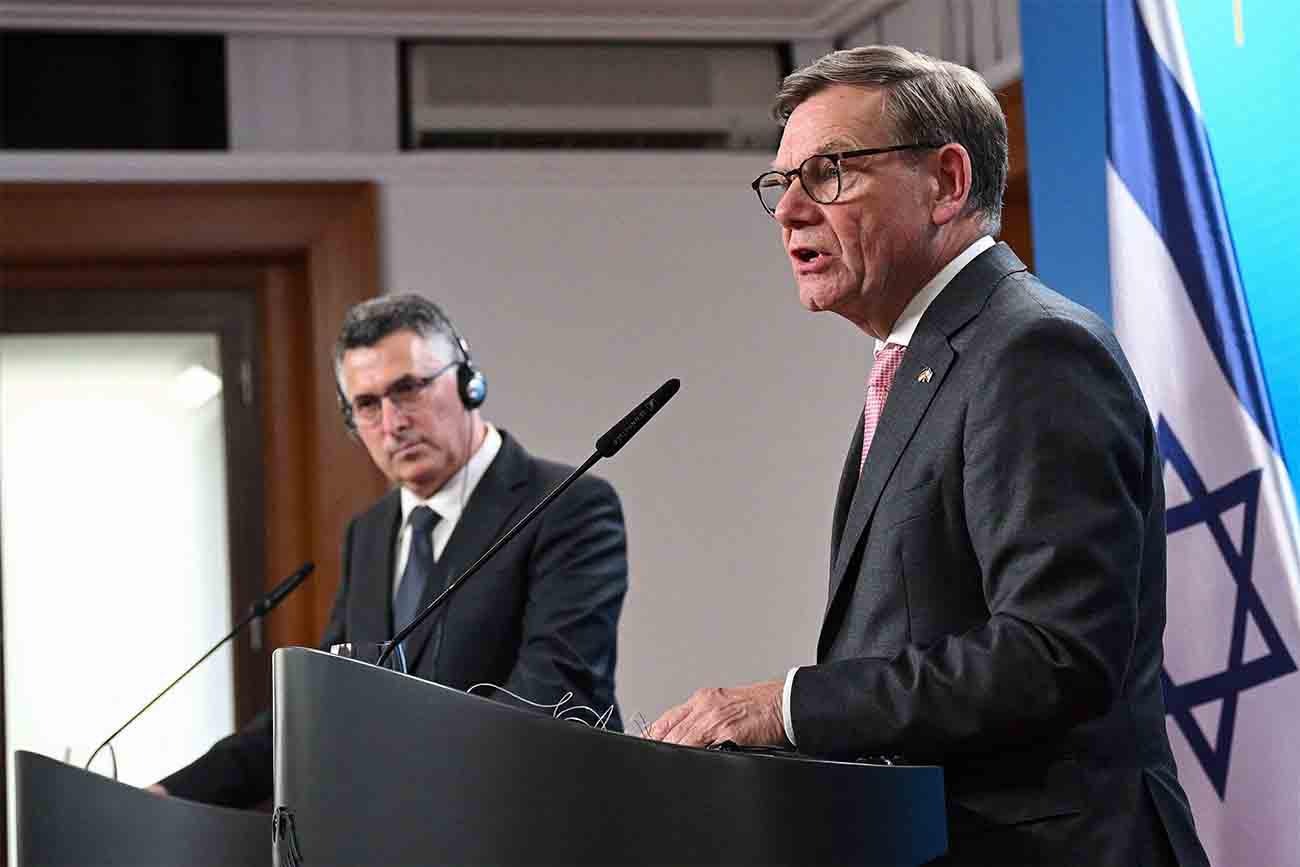
Wadephul stated clearly that any "de facto annexation" of parts of the occupied West Bank would be considered unacceptable by the German government
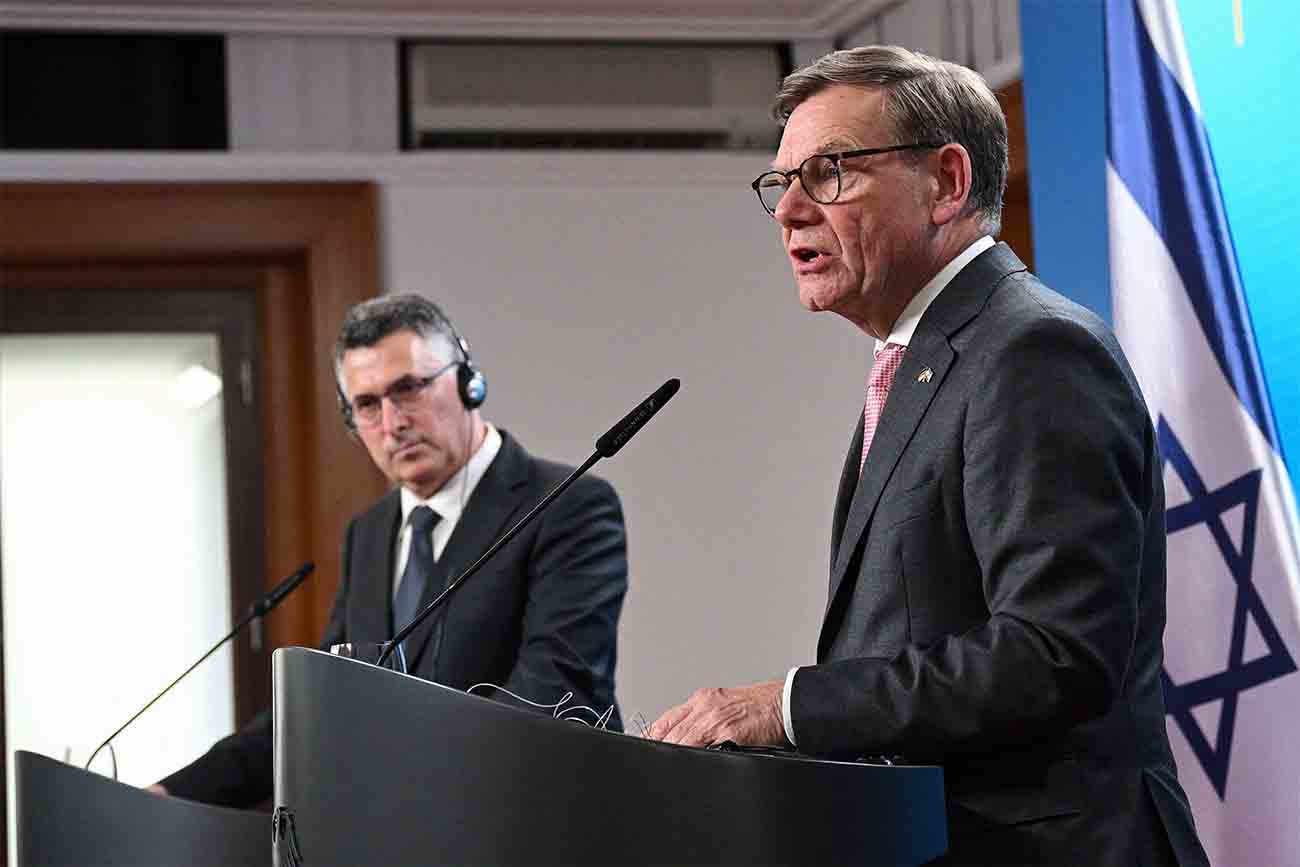
BERLIN - German Foreign Minister Johann Wadephul said on Tuesday aid deliveries to Gaza had to be improved and he repeated Berlin's position that any de facto annexation of parts of the occupied West Bank by Israel would not be acceptable to Germany.
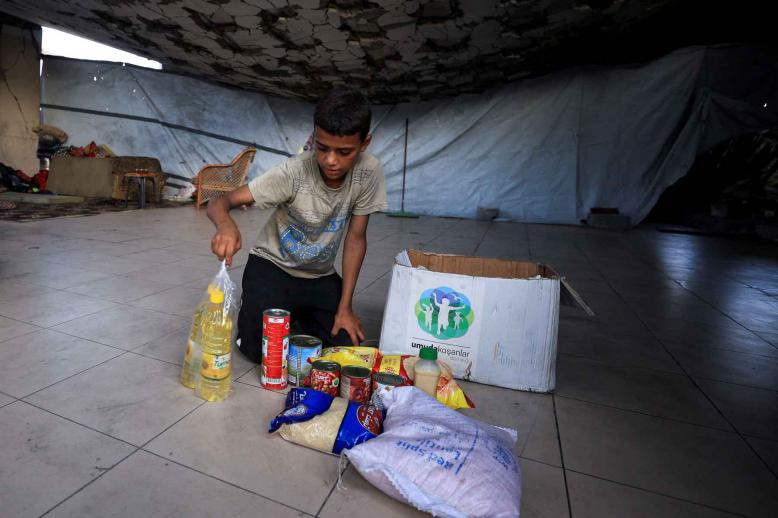
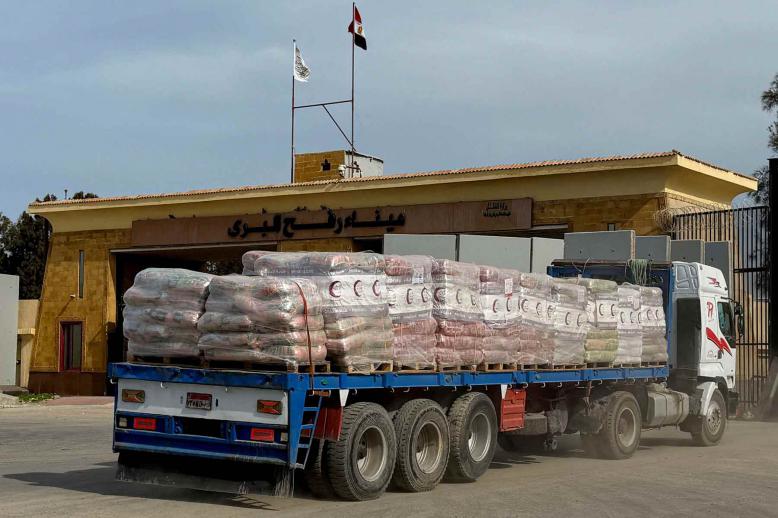
"The plight of the more than two million people whose situation has not improved must not be overlooked amidst the conflict in Iran. Humanitarian aid must be improved as a matter of urgency," Wadephul said at a joint news conference in Berlin with his visiting Israeli counterpart Gideon Saar.
While Germany has remained a staunch ally of Israel, particularly regarding regional security threats from Iran, Wadephul’s comments reflect growing frustration in Berlin over the pace and volume of aid deliveries. He suggested that "oversight" due to regional distractions is no longer a valid excuse for the worsening conditions on the ground.
The Red Line: West Bank Annexation
The most pointed moment of the conference arrived when Wadephul addressed rumors and policy discussions within the Israeli government regarding the West Bank. He reiterated Germany’s long-standing position with renewed vigor, emphasizing that territorial expansion would have severe diplomatic consequences.
Wadephul stated clearly that any "de facto annexation" of parts of the occupied West Bank would be considered unacceptable by the German government.
The Foreign Minister argued that such moves would effectively kill the possibility of a future two-state solution, which Berlin still views as the only viable path to long-term peace.
Diplomatic Balancing Act
The meeting with Israeli Foreign Minister Gideon Saar highlighted the tightrope Germany is walking. On one hand, Berlin is providing diplomatic and logistical support to counter Iranian aggression—a threat both nations view as existential. On the other, the German government is facing increasing domestic and European pressure to hold Israel accountable for the humanitarian situation in Gaza and settlement activity in the West Bank.
Gideon Saar, for his part, focused largely on the "existential threat" posed by the Iranian regime, though the shadow of the Palestinian issue clearly loomed over the bilateral talks.