

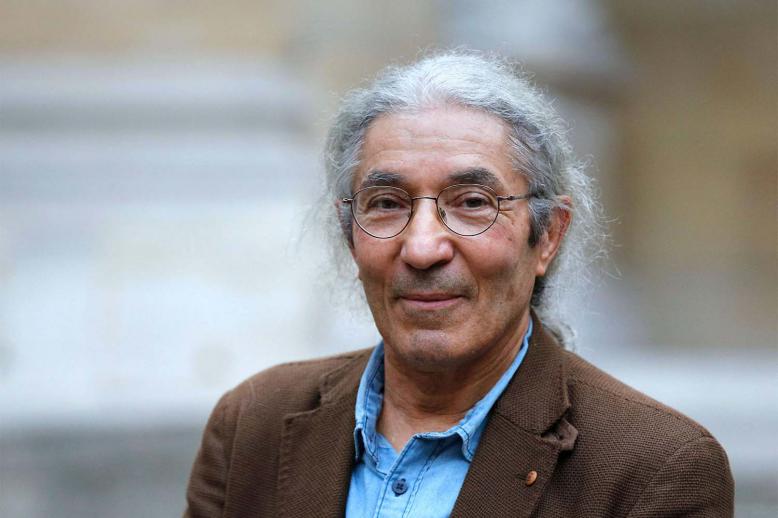
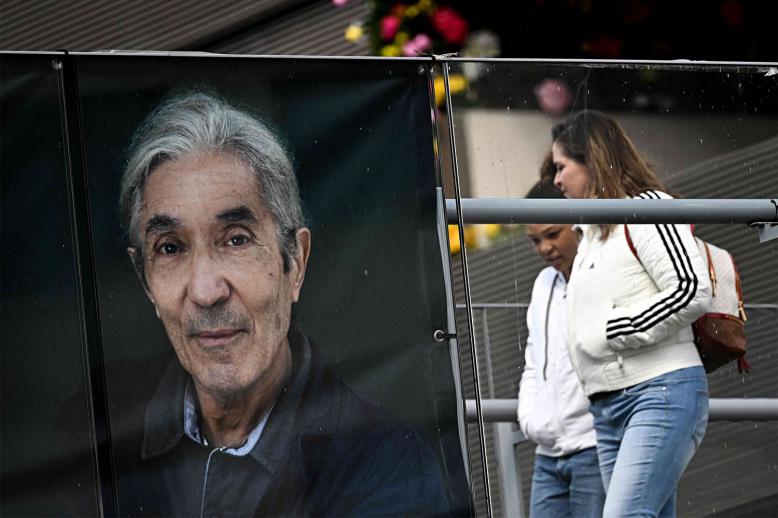
Franco-Algerian writer Boualem Sansal
German President appeals to Algeria to pardon writer Boualem Sansal
Steinmeier offers Sansal's relocation to Germany and subsequent medical care in his country given Sansal's advanced age and fragile health condition.
Monday 10/11/2025
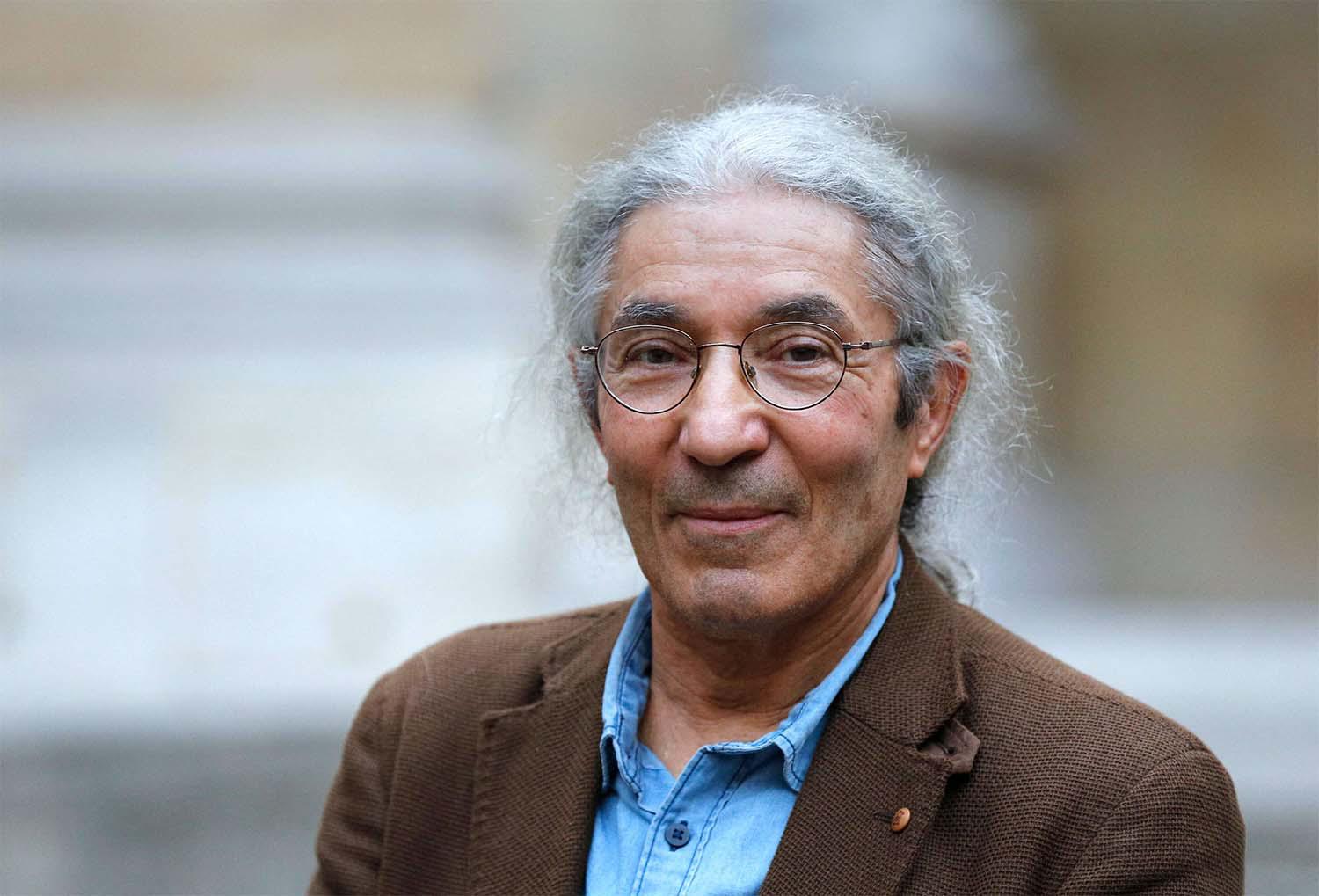
Franco-Algerian writer Boualem Sansal
BERLIN - In a significant gesture of international literary solidarity and diplomatic intervention, Germany’s President Frank-Walter Steinmeier has publicly called upon the Algerian government to grant a pardon to one of the Maghreb’s most prominent and provocative literary voices, Boualem Sansal, who was given a five-year jail term in March for harming national unity.
The appeal shifts a spotlight onto the enduring struggle for free expression in Algeria and the precarious position of intellectuals who challenge the status quo.
The Writer and the wound
At the heart of this diplomatic plea is an 78-year-old novelist whose sharp pen and unflinching criticism have long made him a figure of both international acclaim and domestic contention.
The Franco-Algerian writer, a former high-ranking official in the Algerian government, did not begin his writing career until his late 40s. Once he started, however, he quickly established himself as a fearless critic of authoritarianism, religious extremism, and his own country’s troubled political history.
His novels, such as The Village of the German, which deals with the Holocaust, and 2084: The End of the World, a stark critique of Islamic totalitarianism, have earned him prestigious awards across Europe. Yet, this very outspokenness has come at a heavy cost within Algeria. His books have been banned, his public appearances limited, and his safety has often been a concern for free speech organizations.
The specific case prompting President Steinmeier's intervention dates back to 2021. Sansal was arrested and subsequently sentenced to a two-month prison term for "contempt of body" and "defamation" after he publicly criticized the powerful Algerian army chief, Said Chengriha. While he ultimately did not serve the sentence due to international pressure at the time, the conviction remains on his record, a legal sword of Damocles that restricts his freedom of movement and serves as a constant reminder of the red lines he is forbidden to cross.
Steinmeier's Appeal: Diplomacy and Principle
President Steinmeier, a seasoned Social Democrat known for his commitment to human rights, did not make the appeal lightly. He framed it not as a criticism of the Algerian state, but as a plea from one partner to another, rooted in shared values.
Steinmeier's office said he had asked Algerian President Abdelmadjid Tebboune to pardon Sansal as "a humanitarian gesture."
The German President also offered Sansal's relocation to Germany and subsequent medical care in there given Sansal's advanced age and fragile health condition.
A pardon for Sansal "would be an expression of humanitarian spirit and political foresight," said Steinmeier.
"It would reflect my long-standing personal relationship with President Tebboune and the good relations between our countries," he added.
A Broader Battle for Free Expression
The case of Boualem Sansal is emblematic of a wider crackdown on dissent in Algeria. In recent years, the country has seen a surge in the prosecution of journalists, activists, and opposition figures under broad legal provisions. The "Hirak" pro-democracy protest movement, which Sansal supported, has been largely suppressed, and the space for critical voices has shrunk considerably.
For his supporters, a pardon for Sansal would be more than just the resolution of a single legal case. It would be a symbolic victory, a breath of air for a suffocating civil society. It would signal that Algeria is willing to tolerate, if not embrace, its most critical thinkers.
As of now, the Algerian government has not issued a public response to President Steinmeier's request.