

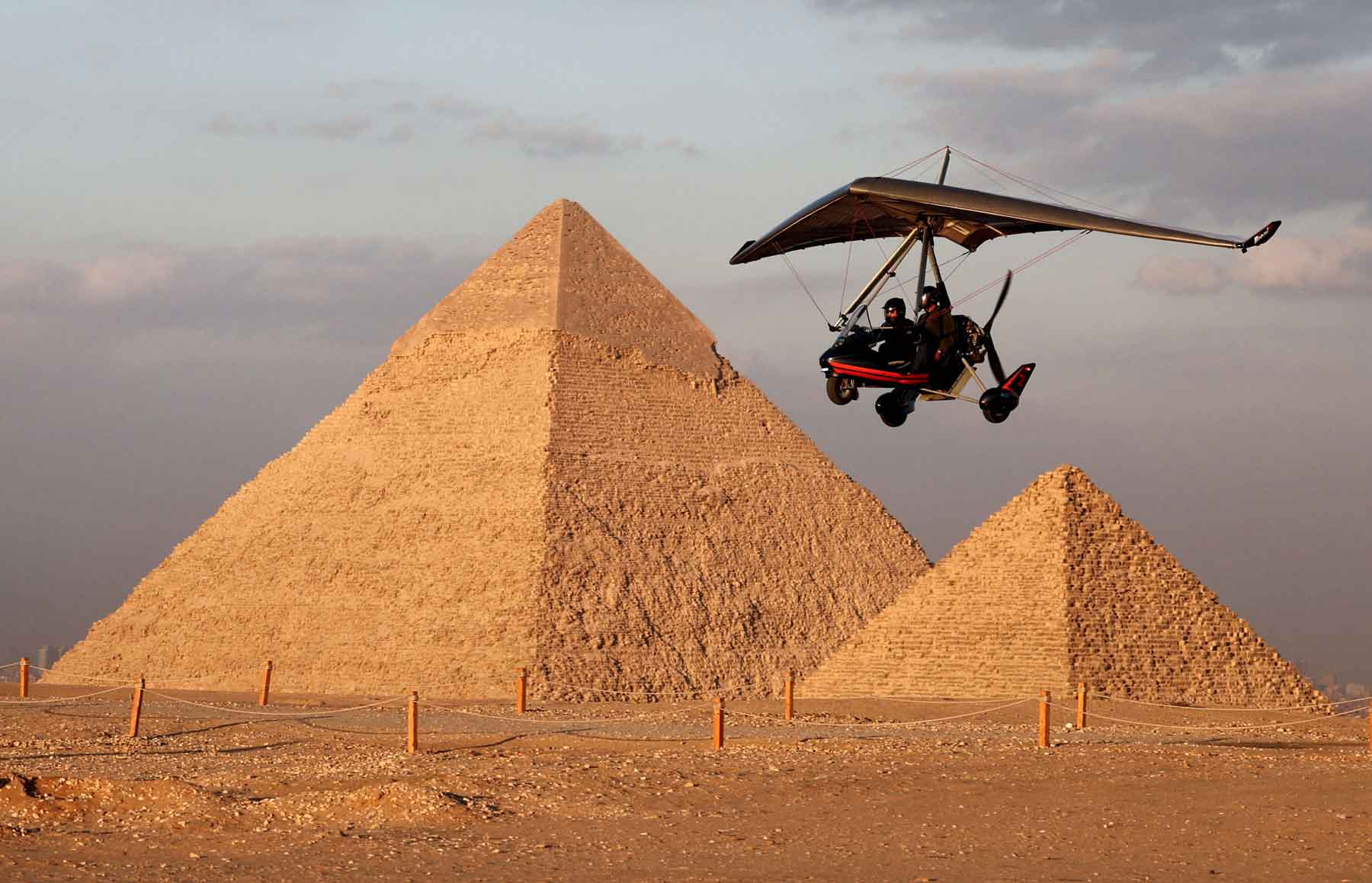
A tourist flies with an Ultralight trike pilot near the Great Pyramids of Giza, on the outskirts of Cairo.
Giza pyramids set for cultural revival with ambitious 15-year plan
The master plan is intended to guide tourism and infrastructure for the next 15 years, contributing to the country’s 2040 vision.
Tuesday 16/12/2025
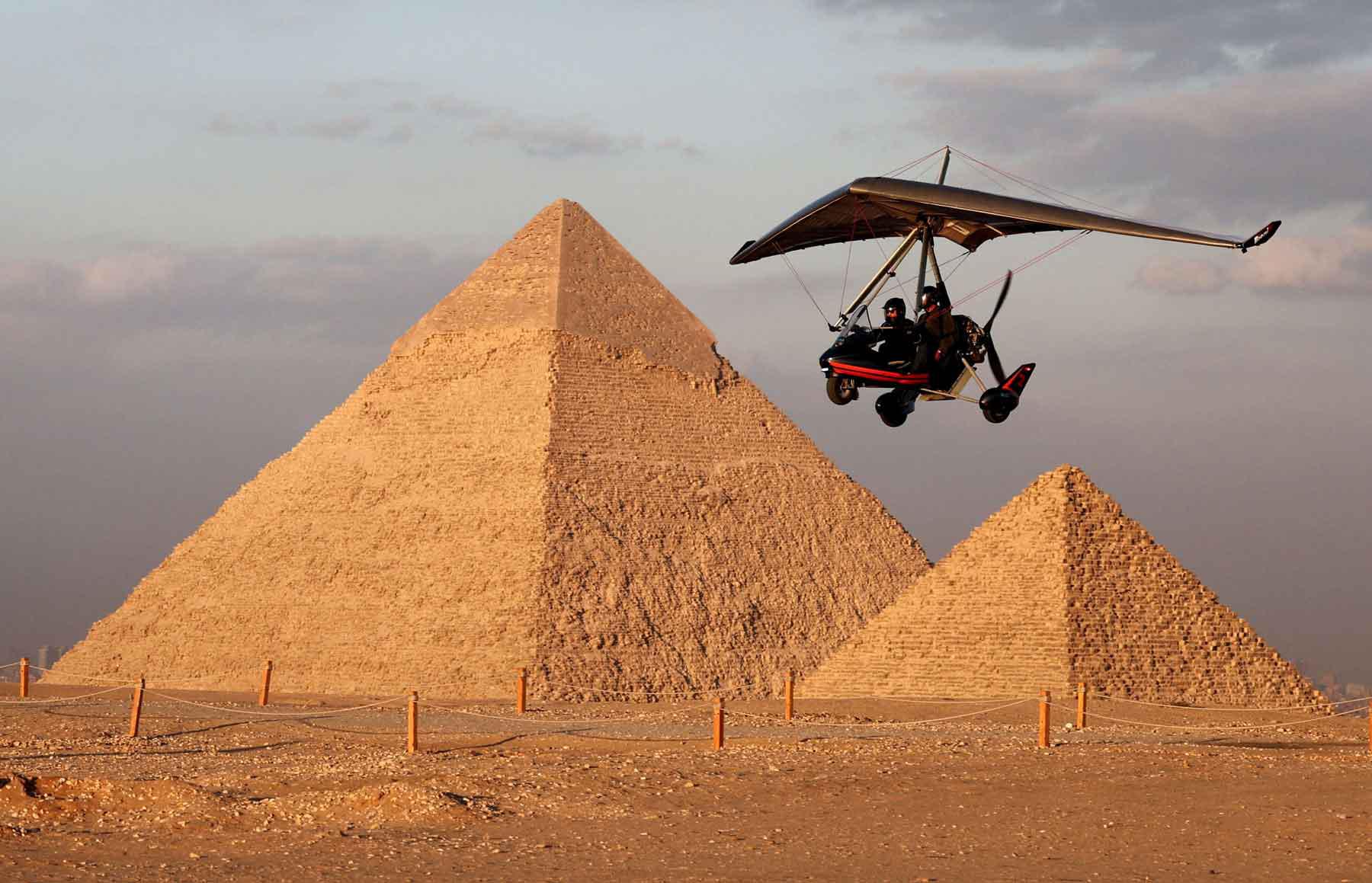
A tourist flies with an Ultralight trike pilot near the Great Pyramids of Giza, on the outskirts of Cairo.
CAIRO -
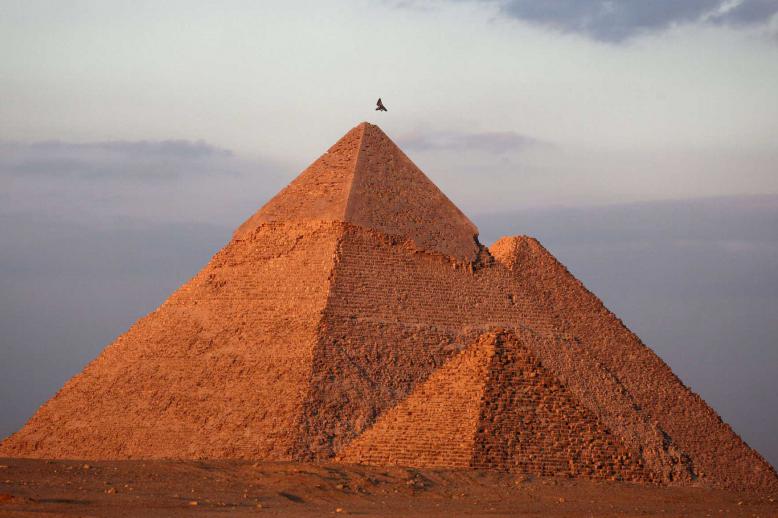
Egypt is taking a bold step to reshape the Giza Pyramids region, unveiling a master plan that promises to transform the area into a world-class cultural and tourism destination while safeguarding one of humanity’s most iconic heritage sites.
The initiative, led by global design firm WATG in collaboration with Egyptian authorities, aims to reimagine the Western Desert plateau overlooking the Nile Valley, including Giza, South Saqqara and Dahshur, blending heritage conservation with modern infrastructure and sustainable tourism development.
The multi-disciplinary project brings together international heritage planners and local Egyptologists, integrating global best practices with deep local expertise to ensure that the historic and cultural integrity of the region is preserved while enhancing the visitor experience.
Detailed site analysis over two intensive visits informed the plan, covering key archaeological sites, surrounding communities, and the floodplain, with a framework designed for adaptability and long-term stewardship.
The master plan, which will be presented this week to the Ministry of Tourism, the Ministry of Housing, the New Urban Communities Authority, the Deputy Governor of Giza, and Prime Minister Mostafa Madbouly, identifies opportunities for private sector investment, infrastructure upgrades and community benefits, while ensuring developments respect the sanctity of the sites.
“It is a rare privilege to engage with a place that holds such immense meaning for humanity. Helping to reimagine this cultural landscape, with respect, sensitivity, and a commitment to its long-term stewardship, has been an honour. We look forward to unlocking tourism investment opportunities and seeing these visions realised over the coming years,” said Associate Principal and Director of Advisory at WATG Rob Sykes.
“This project is a strategic move to protect, organise, and elevate the area sustainably and competitively on a global scale. Our focus now is turning strategies into action, balancing modern efficiency with the preservation of this sacred heritage,” said the Head of the Scientific Committee Bassem Fahmy.
The development comes as Egypt celebrates the opening of the Grand Egyptian Museum in November 2025, and the master plan is intended to guide tourism and infrastructure for the next 15 years, contributing to the country’s 2040 vision of economic growth and cultural prominence.