

By bringing Syria into its ranks, the coalition hopes to close security gaps
Global coalition pins hopes on Syria, Iraq in battle against ISIS
Coalition members stressed the importance of coordination with Damascus and Baghdad on the future of the anti-ISIS campaign, reaffirming their readiness to work closely with both governments.
Tuesday 10/02/2026
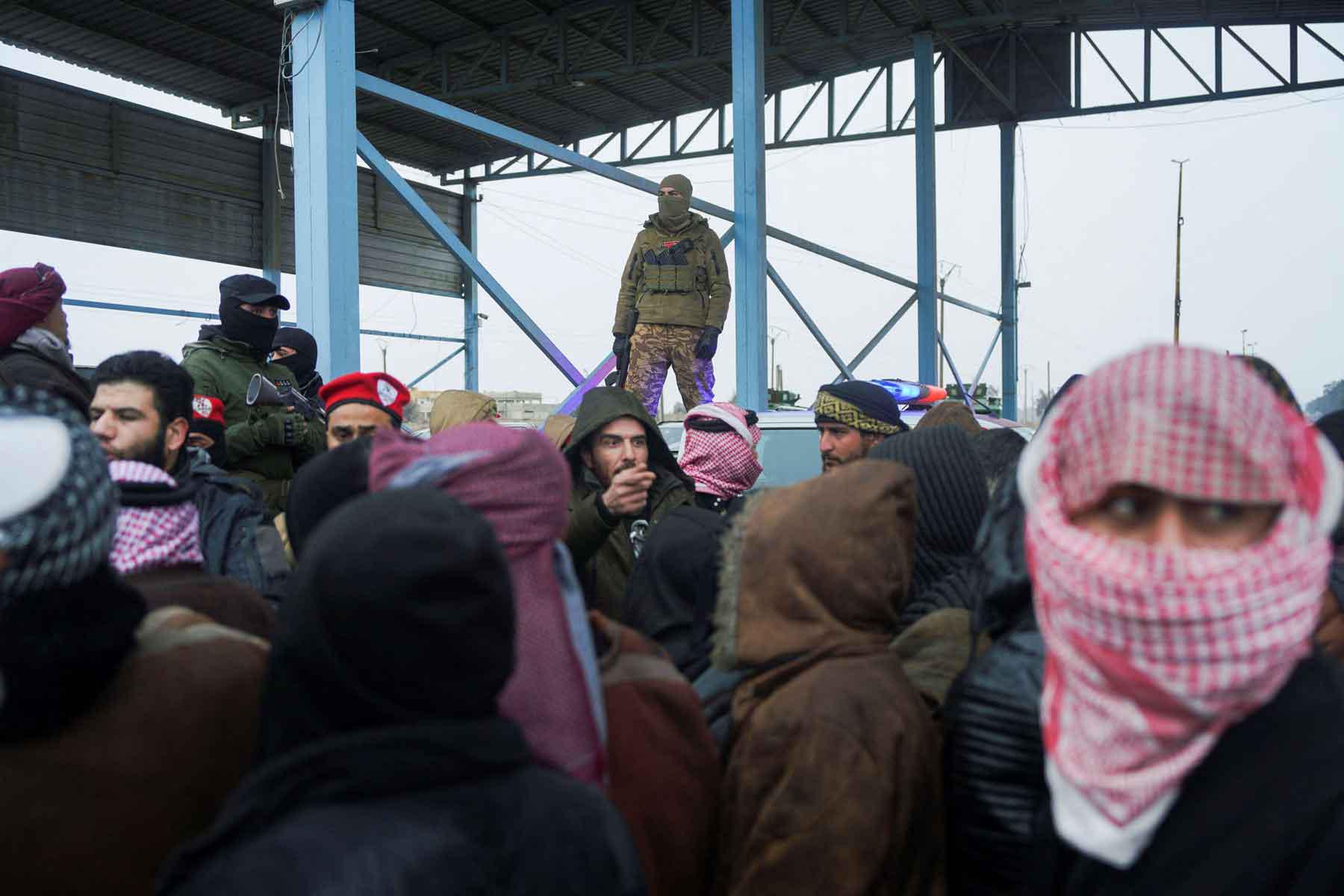
By bringing Syria into its ranks, the coalition hopes to close security gaps
RIYADH – The US-led Global Coalition to Defeat the Islamic State (ISIS) welcomed Syria as its 90th member and called for increased international support to Damascus and Baghdad, describing the two countries as the frontline states in the fight against the extremist group amid growing fears of its resurgence.
The coalition’s political directors reaffirmed their commitment during a high-level meeting in Riyadh hosted by Saudi Arabia and co-chaired by Saudi Deputy Foreign Minister Waleed Elkhereiji and US Special Envoy to Syria Thomas Barrack. Participants praised Riyadh’s continued role in supporting regional and international counter-terrorism efforts and strengthening stability.
Syria’s Foreign Minister Asaad Hassan al-Shibani, who attended the meeting alongside senior intelligence officials, said Damascus was reclaiming its role in combating ISIS after years of isolation.
“Syria is regaining the initiative today, reaffirming its role in partnership and leadership in combating ISIS, in a way that strengthens Syria’s national interest and enjoys growing international support,” Shibani wrote on X, describing the talks as constructive and stressing that supporting Syria was a shared responsibility.
Syria formally joined the coalition in November 2025, becoming its 90th member in what officials described as a significant turning point in regional cooperation against ISIS. The coalition, established in 2014 and led by the United States, brings together dozens of countries conducting military operations, intelligence sharing and stabilisation programmes to dismantle the group’s networks in Iraq, Syria and beyond.
Mounting fears after prison escapes
The renewed urgency of coalition efforts comes against the backdrop of escalating security concerns in north-east Syria, where recent clashes between Syrian government forces and the Kurdish-led Syrian Democratic Forces (SDF) triggered the escape of large numbers of ISIS detainees from detention facilities.
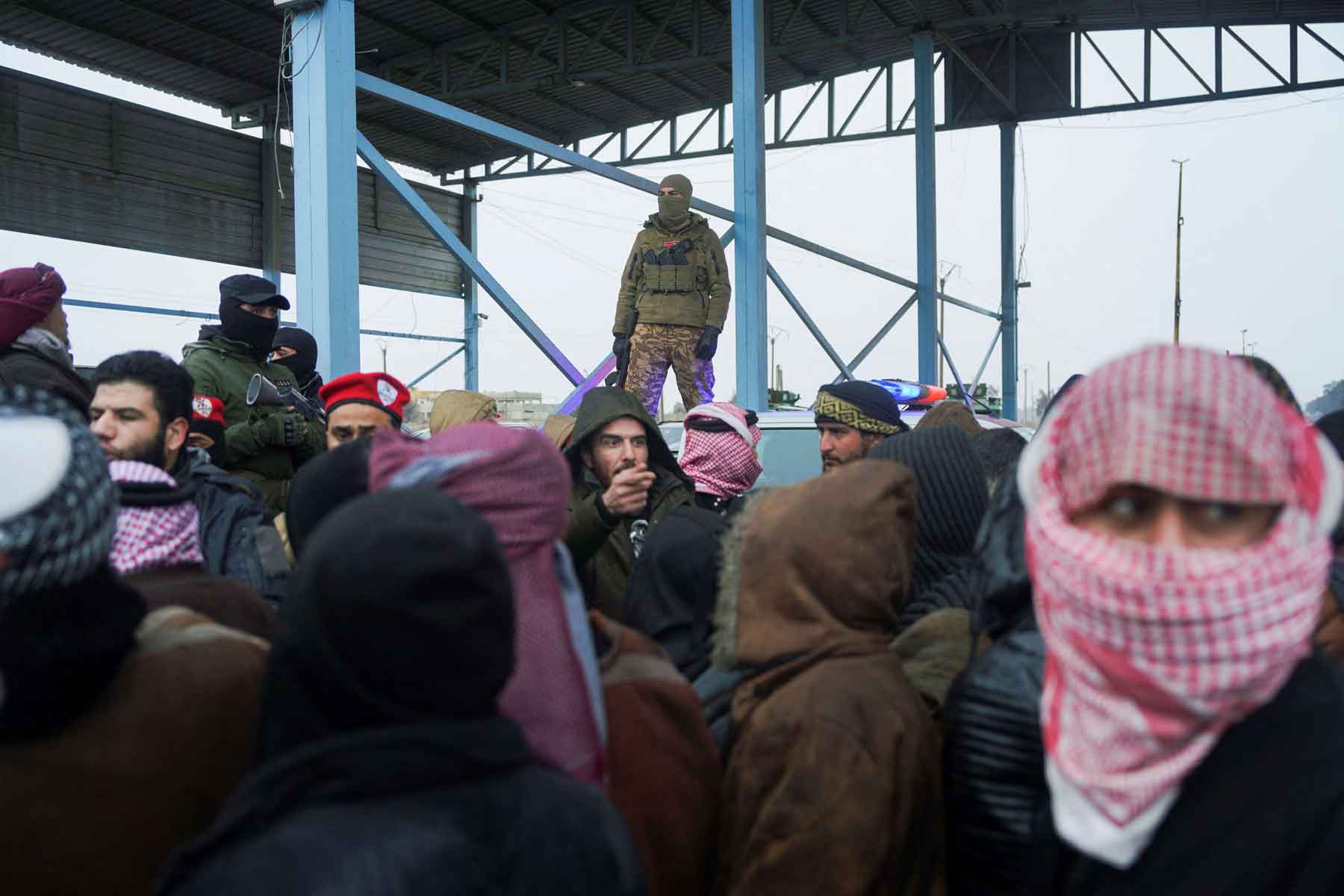
Fighting near Al-Shaddadi prison in Hasakah province on January 20, 2026, enabled dozens, and possibly hundreds, of ISIS fighters to flee. Syrian authorities said around 120 detainees escaped, while the SDF estimated the number could be as high as 1,500. Syrian security forces later announced the recapture of about 80 escapees.
Reports indicated that some of the fugitives fled into the Syrian desert and rugged border regions between Deir Ezzor, Hasakah and Iraq, areas known for their difficult terrain and history as ISIS strongholds. United Nations officials have also warned that foreign fighters could exploit the chaos to return to their home countries in Europe or relocate to other conflict zones such as Libya, the Sahel region and Afghanistan, where ISIS-linked affiliates remain active.
Security analysts fear that the instability could allow ISIS sleeper cells to regroup, restore cross-border networks and intensify attacks after years of sustained military pressure that weakened its territorial control but did not eliminate its insurgent capabilities.
Coalition backs Syrian and Iraqi leadership
Coalition members welcomed Syria’s accession and endorsed its stated intention to assume national leadership of counter-ISIS operations, while praising Iraq’s continued role in combating the group.
In a joint statement, members emphasised key priorities, including the secure transfer and detention of ISIS fighters, the repatriation of foreign nationals to their countries of origin, and the reintegration of families held in camps such as al-Hol and Roj.
They also stressed the importance of continued coordination with Damascus and Baghdad on the future of the anti-ISIS campaign, reaffirming their readiness to work closely with both governments and urging member states to provide direct assistance to their efforts.
Participants commended Iraq’s management of detention facilities holding ISIS fighters and highlighted the importance of transferring detainees into Iraqi custody as a critical element of regional security.
They also welcomed Syria’s assumption of responsibility for detention centres and displacement camps housing ISIS fighters and their families, reiterating calls on foreign governments to repatriate their citizens.
Strategic shift and renewed cooperation
Syria’s inclusion in the coalition reflects a broader shift in international engagement with Damascus following years of diplomatic isolation. Syrian officials have described their membership as part of a wider effort to re-establish Syria as a key partner in regional security and counter-terrorism.
Saudi Arabia, a strategic partner in the coalition, has increasingly positioned itself as a central diplomatic platform for coordinating anti-ISIS efforts, hosting ministerial and political-level meetings aimed at strengthening international cooperation.
Recent US Central Command operations underscore the continued military dimension of the campaign. Between late January and early February, coalition forces carried out multiple airstrikes on ISIS communication centres, logistics hubs and weapons depots in Syria, killing and capturing dozens of fighters and targeting senior leaders linked to attacks on US and Syrian personnel.
Persistent threat despite territorial defeat
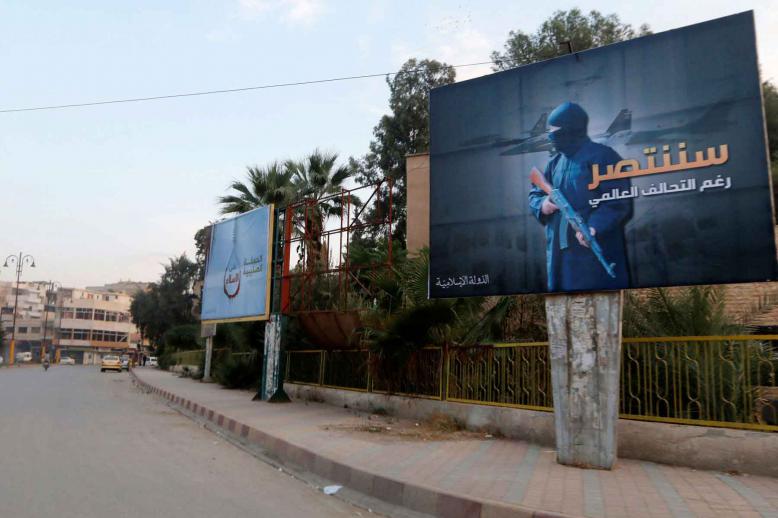
Although ISIS lost its self-declared “caliphate” in Iraq and Syria in 2019, the group has maintained a persistent insurgency, relying on sleeper cells, guerrilla tactics and cross-border mobility to sustain its operations.
Coalition officials and Western governments, including the United States, France, Germany and the United Kingdom, have warned that security vacuums and political instability could allow the group to rebuild its operational capabilities.
France and other European countries, meanwhile, continue to grapple with the sensitive issue of repatriating their citizens detained in Syria, balancing security concerns with legal and humanitarian obligations.
Against this backdrop, coalition members stressed that Syria and Iraq remain pivotal to preventing ISIS from exploiting instability and re-establishing itself as a regional and global threat.
By bringing Syria formally into its ranks, the coalition hopes to strengthen coordination, close security gaps and reinforce the fragile gains achieved over more than a decade of sustained counter-terrorism operations.