


A Gaza board that may be flawed
Global unease as Trump’s Gaza board links long-term influence to funding
Notably absent from the list are any Palestinians, a point that has drawn criticism from rights groups and analysts, who say the structure resembles a form of external trusteeship.
Sunday 18/01/2026
A Gaza board that may be flawed
PARIS / WASHINGTON – A draft charter for US President Donald Trump’s proposed Board of Peace for Gaza requires countries to contribute at least $1 billion in cash if they want their membership to extend beyond three years, underscoring the financial and political weight Washington is attaching to the initiative.
The charter, circulated to around 60 countries, states that member states will normally serve a maximum term of three years from the board’s entry into force, subject to renewal by its chair. However, that limit would not apply to countries that contribute more than $1 billion within the first year, effectively allowing wealthy states to secure longer-term influence in the body overseeing Gaza’s post-war governance.
The proposal, first reported by Bloomberg News, comes as the White House steps up efforts to assemble a broad international coalition for the board, which is designed to supervise Gaza during a transitional period under a fragile ceasefire between Israel and Hamas that has held since October.
Global invitations, mixed reactions
Several governments confirmed over the weekend that they had received invitations from Trump to join the board. Jordan’s foreign ministry said King Abdullah had been formally invited and that Amman was reviewing the documents in line with its internal legal procedures. Pakistan said Prime Minister Shehbaz Sharif had also received an invitation, reiterating Islamabad’s commitment to international efforts for peace in Gaza in accordance with United Nations resolutions.
Canada’s Prime Minister Mark Carney said he had agreed in principle to participate, while stressing that key details, including financing, governance structures and operational responsibilities, were still being worked out. Speaking in Doha, Carney said Canada would seek to play a role in alleviating suffering in Gaza but had yet to examine the full architecture of the plan.
Diplomatic sources said leaders of France, Germany, Australia and Canada were among those invited, while Egypt and Turkey confirmed they had also been approached. An EU official said European Commission President Ursula von der Leyen had been asked to represent the European Union.
Two diplomats familiar with the invitation letter said it included the draft charter and framed the board as a “bold new approach to resolving global conflict”, with Gaza serving as a pilot case. One diplomat described it as a “Trump United Nations” that sidesteps the fundamentals of the UN Charter.
A board that outlives Gaza
According to US officials, the Board of Peace is intended not only to oversee Gaza’s temporary governance but eventually to expand its remit to other conflicts. “It’s going to start with Gaza and then do conflicts as they arise,” Trump said this week, saying the model could be applied elsewhere.
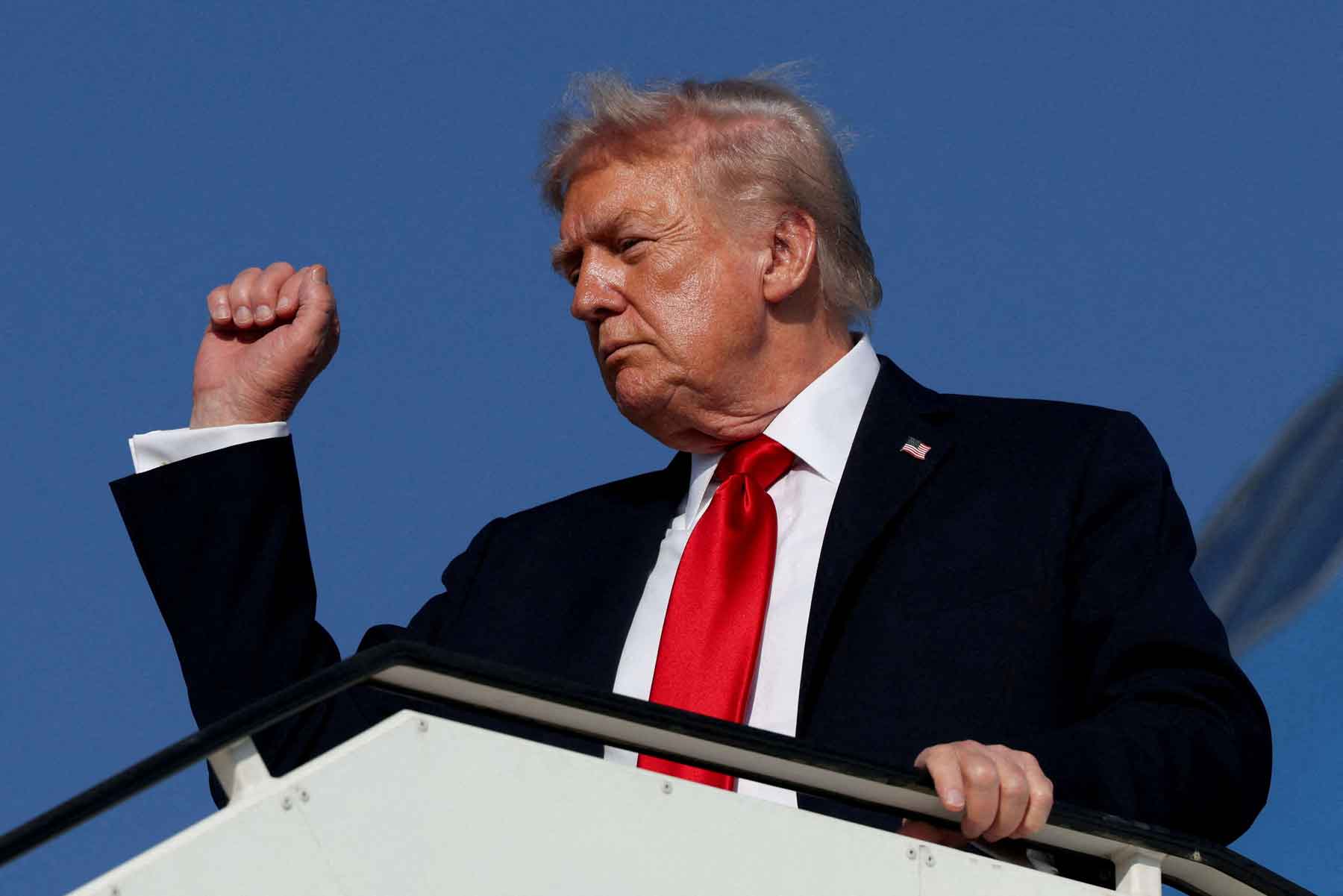
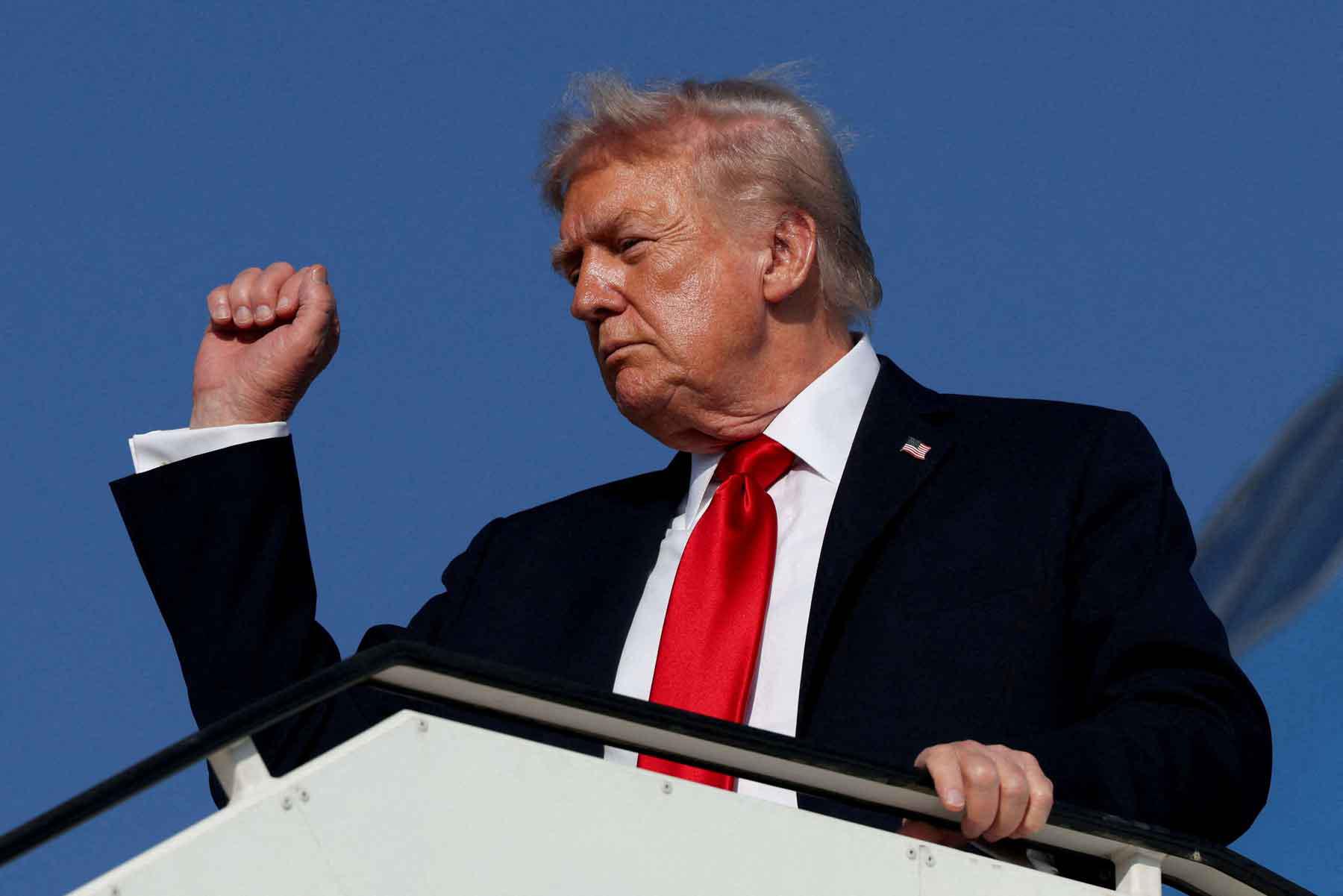
The White House has already named several prominent figures to the board, including Secretary of State Marco Rubio, Trump’s special envoy Steve Witkoff, former British prime minister Tony Blair and Trump’s son-in-law Jared Kushner. Trump himself will chair the body.
The board’s membership also includes billionaire private equity executive Marc Rowan, World Bank President Ajay Banga and Trump adviser Robert Gabriel. Former UN Middle East envoy Nikolay Mladenov has been appointed high representative for Gaza.
Notably absent from the list are any Palestinians, a point that has drawn criticism from rights groups and analysts, who say the structure resembles a form of external trusteeship. Several experts have likened the arrangement to a colonial-style administration, an accusation the White House has rejected.
Israeli objections, regional friction
Alongside the Board of Peace, Washington has announced an 11-member “Gaza Executive Board” to support the technocratic Palestinian committee tasked with day-to-day governance. Its members include Turkish Foreign Minister Hakan Fidan, UN Middle East coordinator Sigrid Kaag, UAE International Cooperation Minister Reem Al-Hashimy and Israeli-Cypriot businessman Yakir Gabay.
Israel has objected strongly to the composition of this executive board, saying it was not coordinated with Jerusalem and contradicted Israeli policy, a likely reference to Turkey’s inclusion. Prime Minister Benjamin Netanyahu’s office said the foreign minister had been instructed to raise the issue directly with Washington.
The objections add to broader Israeli unease over elements of the US plan, even though Israel and Hamas signed off on the overall framework last year. Israeli officials have long opposed a significant Turkish role in Gaza and remain wary of international mechanisms they do not directly control.
Security force and funding questions
As part of the plan, Trump has appointed US Army Major General Jasper Jeffers to command an International Stabilisation Force authorised by a UN Security Council resolution adopted in November. The force is tasked with providing security in Gaza and training a new police force to replace Hamas.
Washington says the initiative has entered a second phase, shifting from enforcing the ceasefire to disarming Hamas, a goal that remains highly contentious and politically sensitive.
Israel and Hamas have repeatedly accused each other of violating the truce. Since October, more than 450 Palestinians, including over 100 children, and three Israeli soldiers have been reported killed during the ceasefire period, according to local officials.
Israel’s military campaign in Gaza since October 2023 has killed tens of thousands of Palestinians, displaced nearly the entire population and triggered a severe humanitarian crisis. Multiple UN experts and rights organisations have described the campaign as amounting to genocide, a charge Israel rejects, saying it acted in self-defence after Hamas-led militants killed 1,200 people and took more than 250 hostages.
A high-stakes experiment
The financial provisions in the draft charter have raised questions about whether the board could entrench a two-tier system of influence, privileging wealthy states able to commit large sums of cash.
Critics argue that the structure risks undermining international norms by linking political authority to financial contributions.
Supporters, however, say the scale of destruction in Gaza requires unprecedented funding and coordination, and that the board offers a pragmatic mechanism to mobilise capital quickly.