

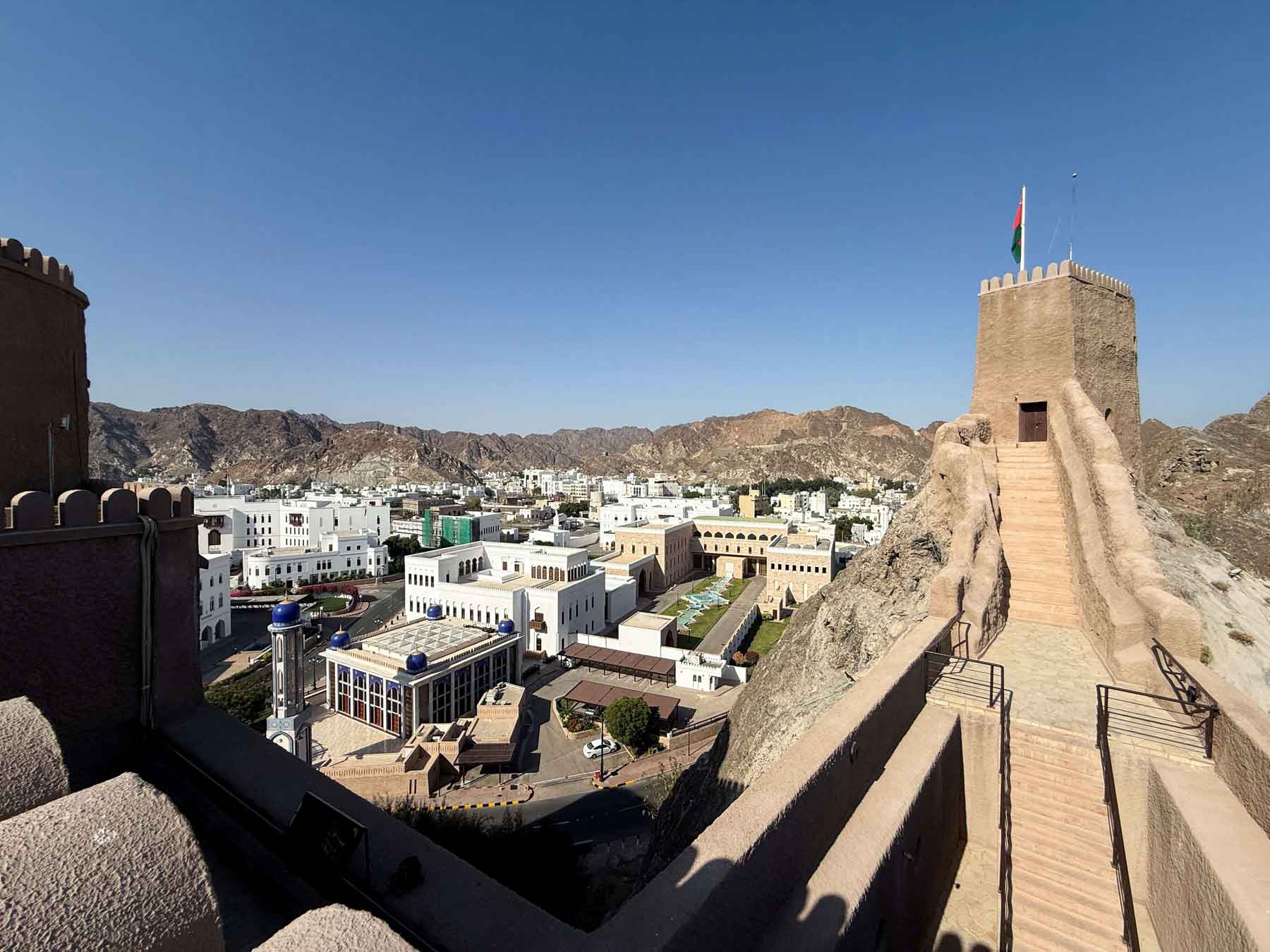
A general view of Muscat.
Gulf growth rebounds for 2025 as Oman emerges among top performers
Oman’s diversification drive is “gaining pace,” with non-hydrocarbon sectors taking on an increasingly central role in growth.
Wednesday 10/12/2025
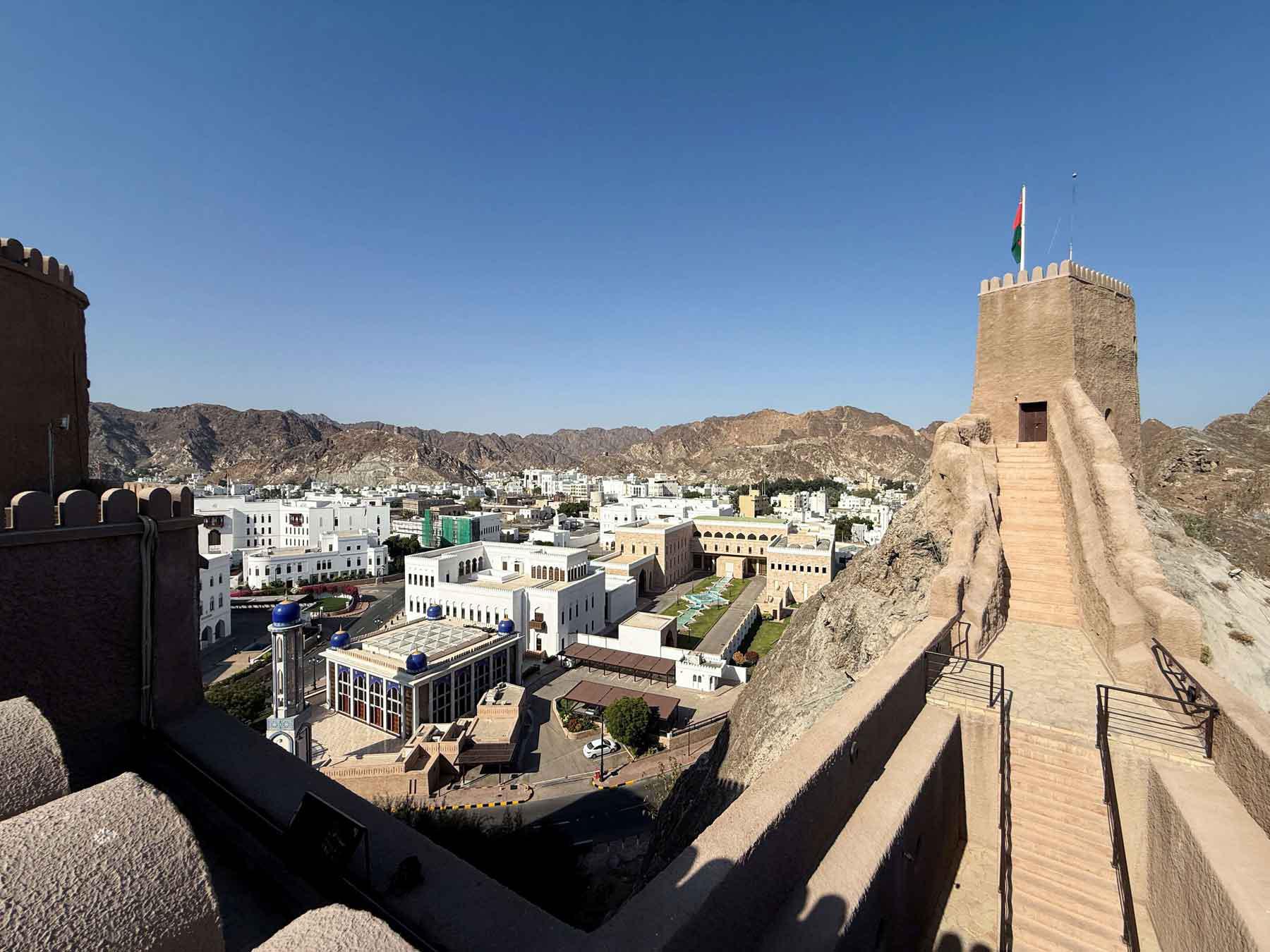
A general view of Muscat.
MUSCAT
Oman’s economy is set to accelerate next year, with the World Bank forecasting 3.1% growth in 2025 on the back of intensifying diversification efforts and steady structural reforms aimed at reducing the country’s dependence on hydrocarbons.
In its “Gulf Economic Update – Fall 2025,” the World Bank said economic momentum is building across the GCC, driven by reform agendas, disciplined fiscal strategies and rapid advances in digital innovation. The UAE is projected to lead regional growth at 4.8 percent, followed by Saudi Arabia at 3.8 percent, Bahrain at 3.5 percent, Oman at 3.1 percent, Qatar at 2.8 percent and Kuwait at 2.7 percent.
The bank cautioned, however, that maintaining this trajectory will require sustained progress on national Vision strategies and prudent fiscal management to counter risks arising from volatile oil markets, geopolitical tensions and any slowdown in reform implementation.
On Oman specifically, the report said the country’s diversification drive is “gaining pace,” with non-hydrocarbon sectors taking on an increasingly central role in growth. Real GDP is expected to expand by 3.1 percent in 2025, with further acceleration anticipated over the medium term as new investment flows into logistics, manufacturing, tourism and green energy.
The World Bank’s assessment centres on three core priorities shaping the region’s economic landscape: diversification, macroeconomic stability and digital transformation, all unfolding against a backdrop of global uncertainty and fluctuating oil prices. While the Gulf has made moderate progress in reducing reliance on hydrocarbons over the past decade, recent trends point to stronger momentum.
“Hydrocarbons still dominate fiscal positions, making their role persistently central in shaping economic plans and development strategies,” the report said, noting that non-oil exports remain modest across the region, with chemicals continuing to dominate the export basket. “The transition away from oil dependence remains a work in progress.”
At the same time, the report highlights the Gulf’s rapid digital transformation and accelerating uptake of artificial intelligence. All GCC states now operate advanced telecom networks, with more than 90 percent 5G coverage, high-speed internet and broad digital accessibility.
The region is also deploying significant capital into data centres and high-performance computing systems, enhancing AI readiness. Saudi Arabia and the UAE are emerging as regional, and increasingly global, frontrunners, supported by vibrant start-up ecosystems, strong venture funding and the integration of generative AI across government services.
“Diversification and digital transformation are no longer optional; they are essential for long-term stability and prosperity,” said Safaa el Tayeb el Kogali, the World Bank’s Division Director for the GCC. “Strategic investments in non-oil sectors and innovation will be critical to sustaining growth and stability.”
She added, “The GCC’s digital leap is remarkable. With robust infrastructure and growing computing power, skills and competencies in AI capabilities, the region is well placed to lead in innovation, provided labour and environmental challenges are addressed proactively.”