


Mixed blessings for agriculture
Heavy rains in Morocco drive up vegetable prices
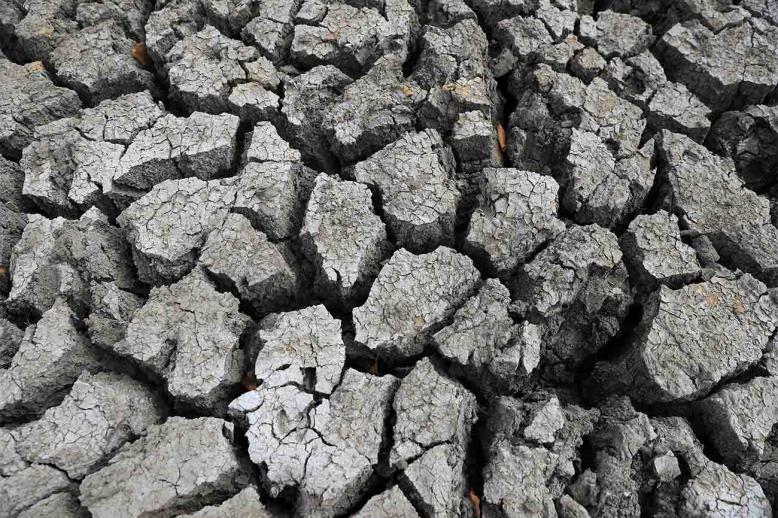
The intense downpours, including those from Storm Francis, have caused flash floods, disrupted harvests, and led to a sharp increase in vegetable prices across markets in Morocco after seven years of severe drought that crippled the country's agriculture.
Monday 05/01/2026

Mixed blessings for agriculture
CASABLANCA - The intense downpours, including those from Storm Francis, have caused flash floods, disrupted harvests, and led to a sharp increase in vegetable prices across markets in Morocco after seven years of severe drought that crippled the country's agriculture.
The recent rains, particularly in December 2025 and continuing into January 2026, mark a dramatic shift from the prolonged dry spell that ended a historic drought cycle.
Storm Francis brought violent winds and heavy precipitation, with some areas like Agadir and Essaouira receiving 80-120 mm of rain, placing provinces under red alert.
While these rains have replenished dams and groundwater, boosting hopes for cereal crops and long-term water reserves, the immediate impact on vegetable production has been negative as households feel the pinch at the market.
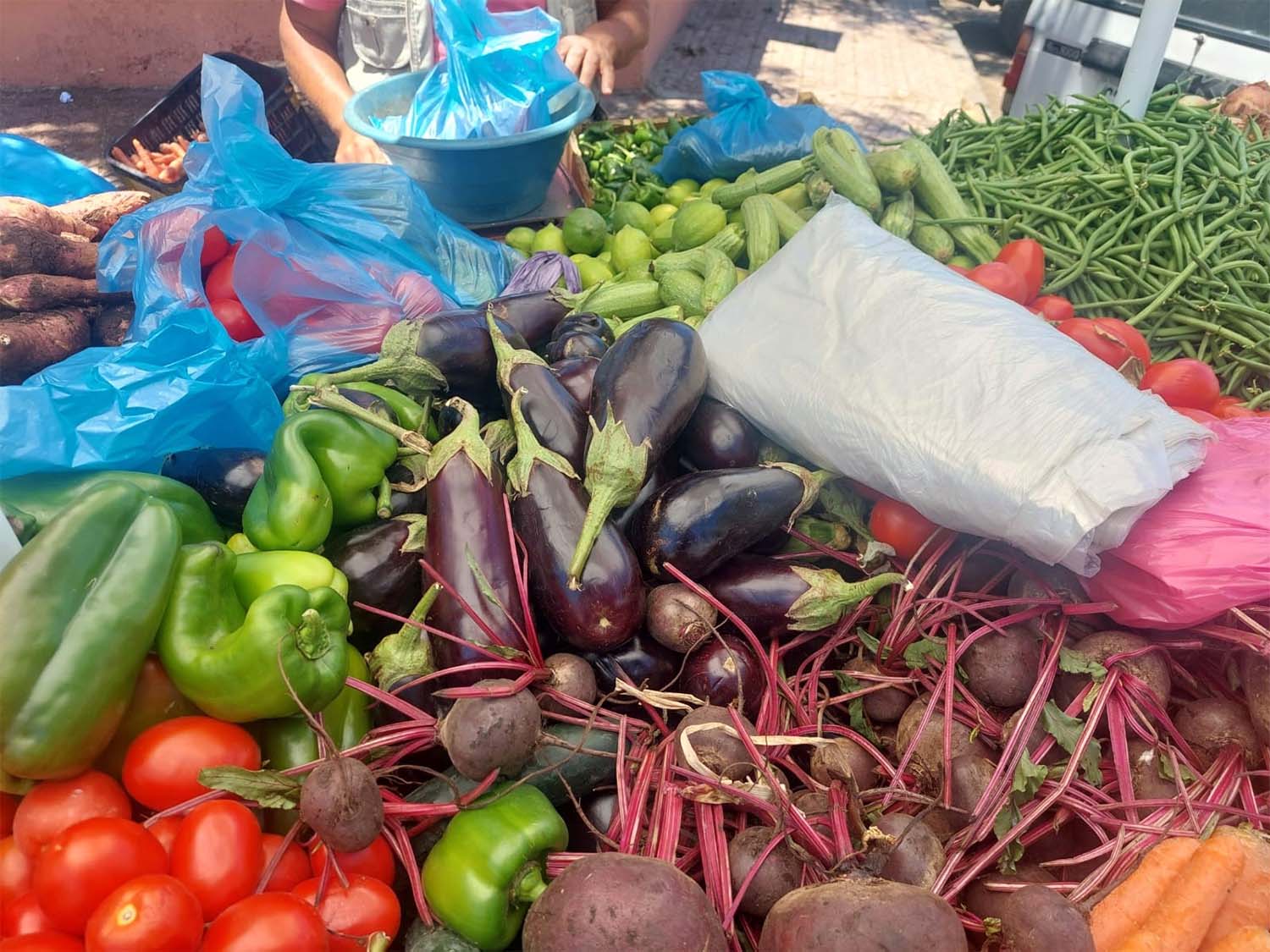
Flooding in regions such as Safi in December 2025 caused significant damage, though primarily urban. More critically for agriculture, the combination of intense rains and cold temperatures has slowed growth, damaged crops, and created supply shortages in market vegetables. Key staples like potatoes, carrots, onions, peas, and carrots have seen prices soar, with some exceeding 15 dirhams per kilogram in retail markets.
Consumers across cities have expressed frustration, noting that winter typically brings abundant and cheaper produce due to seasonal rains. Instead, the sudden intensity has disrupted harvests in key producing areas, including the Souss Massa region, a major hub for vegetables.
Professionals in wholesale markets, such as in Casablanca, report abundant supply for some items like tomatoes (3-5 dirhams wholesale), but significant hikes for rain-sensitive crops. Experts note that while the rains are a "double-edged sword" - devastating for certain vegetable farmer cultures but beneficial for others like berries and apples - the short-term imbalance in supply and demand has propelled prices upward. Cold snaps have further slowed plant growth, exacerbating the issue.
Analysts predict stabilization as the positive effects kick in: improved soil moisture could enhance future yields, potentially lowering prices in coming weeks.
The government and agricultural authorities are monitoring the situation closely, with hopes that continued precipitation will solidify gains for the 2025-2026 season.
The recent weather conditions highlight Morocco's vulnerability to climate extremes: from prolonged droughts to sudden floods that have caused human losses and damaged some infrastructure.