

Once meant to project menace, he now often projects meme material
Hezbollah ‘Angry Birds’ video sparks sectarian backlash in Lebanon
The AI-generated clip portrayed Hezbollah Secretary-General Naim Qassem and the group’s fighters as cartoon birds battling Israeli forces, depicted as pigs, in a satirical sequence.
Monday 04/05/2026
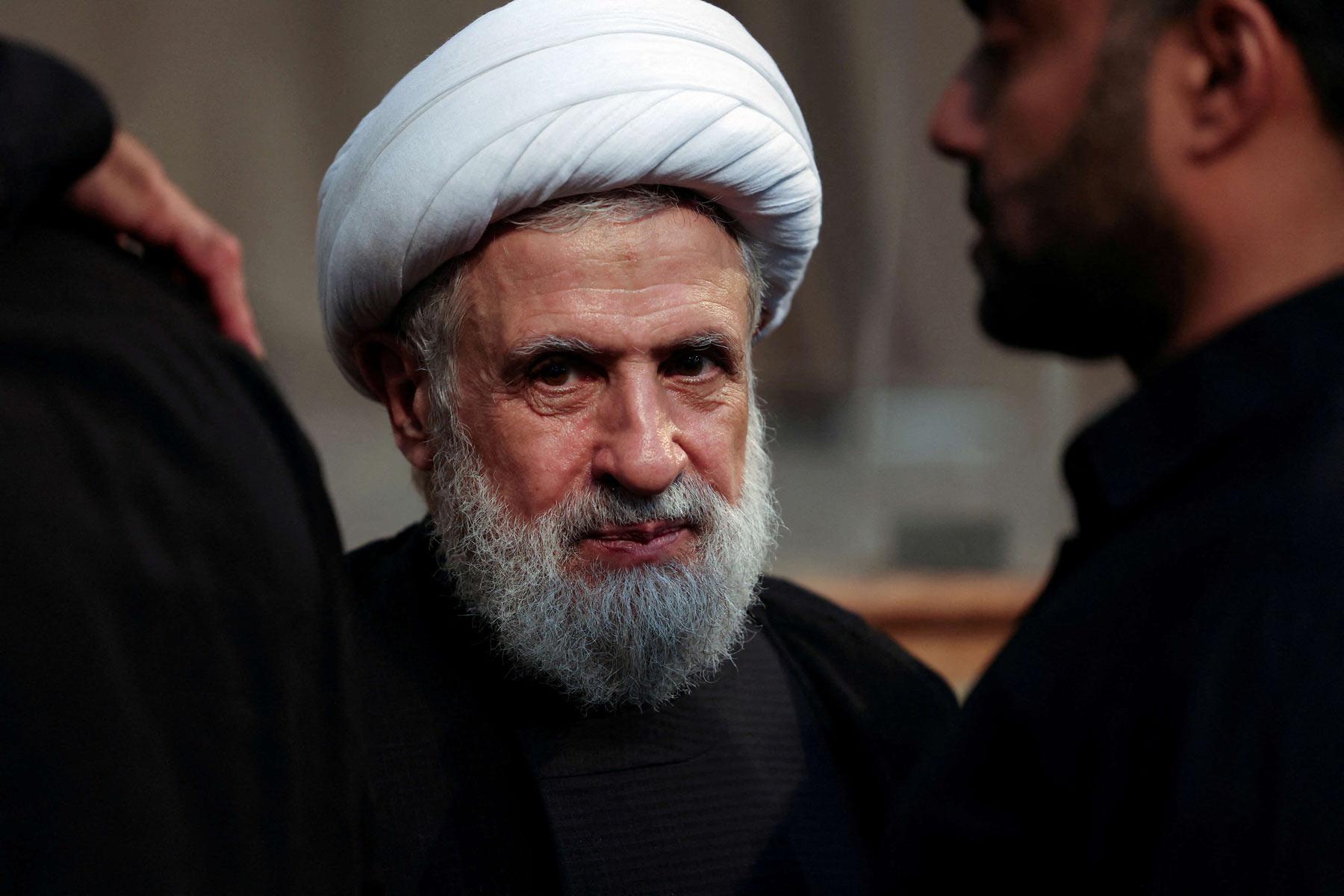
Once meant to project menace, he now often projects meme material
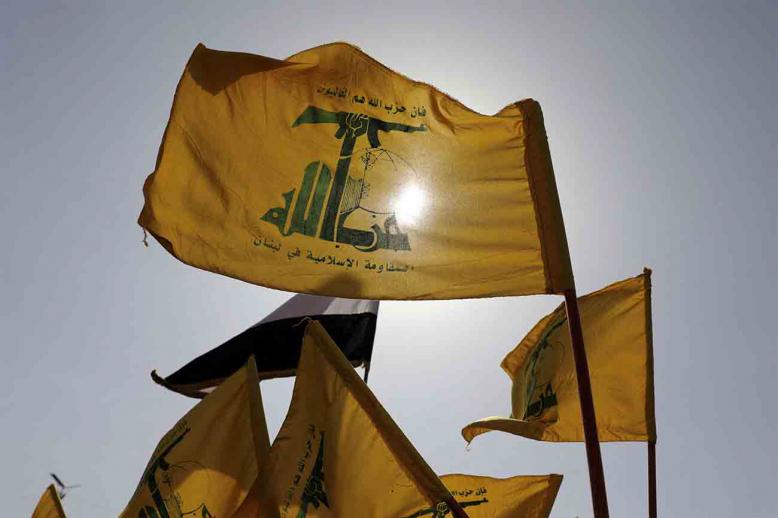
BEIRUT – A satirical video depicting Hezbollah leaders as characters from the Angry Birds franchise has triggered a wave of sectarian tensions in Lebanon, prompting condemnation from political and religious leaders and highlighting the fragility of the country’s social fabric.
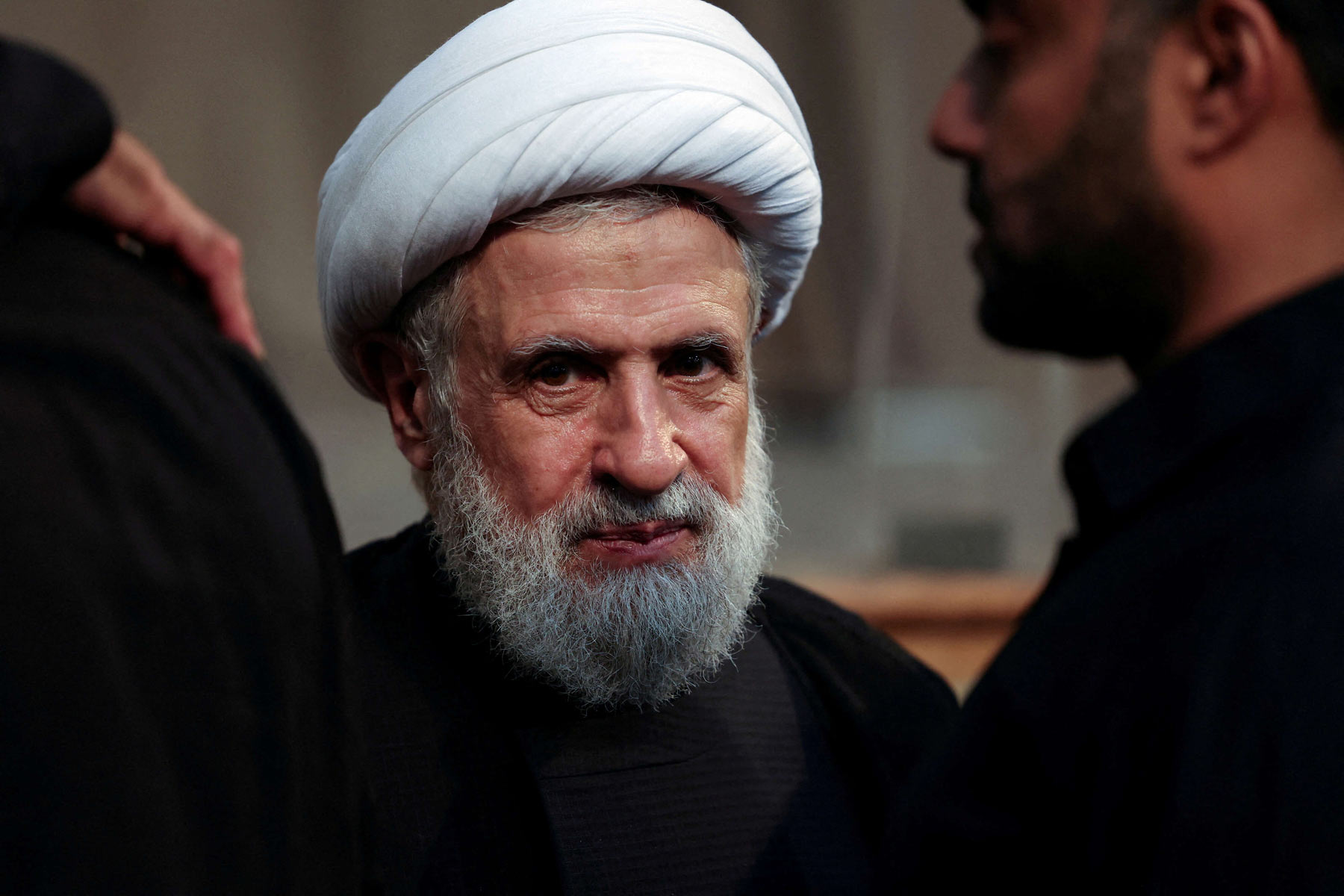
The AI-generated clip, broadcast by Lebanese Broadcasting Corporation International, portrayed Hezbollah Secretary-General Naim Qassem and the group’s fighters as cartoon birds battling Israeli forces, depicted as pigs, in a satirical sequence.
Hezbollah condemned the video as “offensive and cheap”, saying it degraded political discourse, while calling on its supporters not to be drawn into the controversy.
However, the clip sparked an online backlash, with supporters of the Iran-backed group denouncing what they saw as an insult to religious and political figures. Some responded by sharing AI-generated images targeting Christian leaders, including Maronite Patriarch Bechara Boutros al-Rai, fuelling a cycle of sectarian exchanges on social media.
Judicial action and political fallout
The video was removed after an order by public prosecutor Ahmad Rami al-Hajj, but copies continued to circulate widely online.
Lebanese President Joseph Aoun condemned attacks on religious leaders, urging restraint and warning against the repercussions of inflammatory rhetoric at a time when national unity is needed.
“President of the Republic, General Joseph Aoun, considered the targeting of the heads of Christian and Islamic sects and spiritual authorities in Lebanon to be a condemned and rejected act, given the values that spiritual leaders represent, which transcend the religious dimension to touch the national dimension.
“Therefore, it is incumbent upon all to refrain from undermining these values that embody the unity of Lebanon and its people, in addition to the fact that applicable laws prohibit such offenses and punish their perpetrators,” the presidency published in a statement.
“President Aoun called on everyone to keep differences in viewpoints within their political framework and to rise above personal insults due to the negative repercussions of such practices, especially in the current circumstances through which the country is passing, which require broad national solidarity.”
Parliament Speaker Nabih Berri also criticised the insults, calling on citizens to recognise the risks of sectarian discord.
He decried “the campaigns of insult and attacks against religious and national symbols, regardless of their source or the means used, whether in the media or online.”
Prime Minister Nawaf Salam appealed for calm, urging Lebanese to reject hate speech and avoid being drawn into tensions that could destabilise the country.
Religious authorities echoed the concerns, with the Maronite Patriarchate confirming that Grand Mufti Abdel Latif Derian had contacted Rai to express solidarity.
Wider tensions
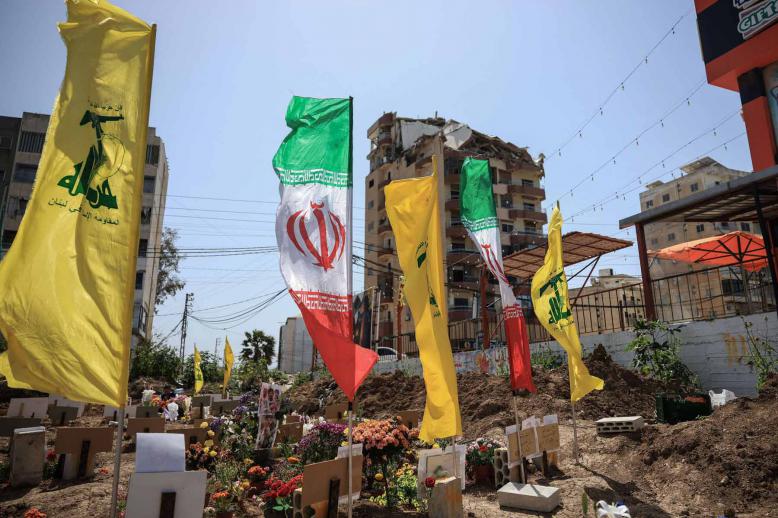
The incident comes against the backdrop of heightened political strain in Lebanon, where Hezbollah has faced increased scrutiny following its role in recent conflict with Israel and amid broader debates over the country’s political direction and security.
Lebanon’s media environment, while relatively open compared to the region, has frequently seen controversies involving satire and criticism of political or religious figures, sometimes leading to legal action or public backlash.
Analysts warn that the rapid spread of AI-generated content is adding a new dimension to these tensions, making it harder to contain inflammatory material and increasing the risk of escalation in a deeply divided society.