

The largest equity market in the Middle East and Africa
In historic move, Saudi Arabia opens stock market to all foreign investors
Analysts say the expansion is likely to reshape regional financial dynamics.
Wednesday 07/01/2026
The largest equity market in the Middle East and Africa
RIYADH –
Saudi Arabia is set to embark on a landmark phase of full market openness, allowing all foreign investors unrestricted access to its stock exchange, Tadawul, starting early February. The move represents a major turning point for the kingdom’s financial landscape, accelerating its ambition to become a global financial hub and intensifying competition with established regional centres such as Dubai and Abu Dhabi under the framework of Vision 2030.
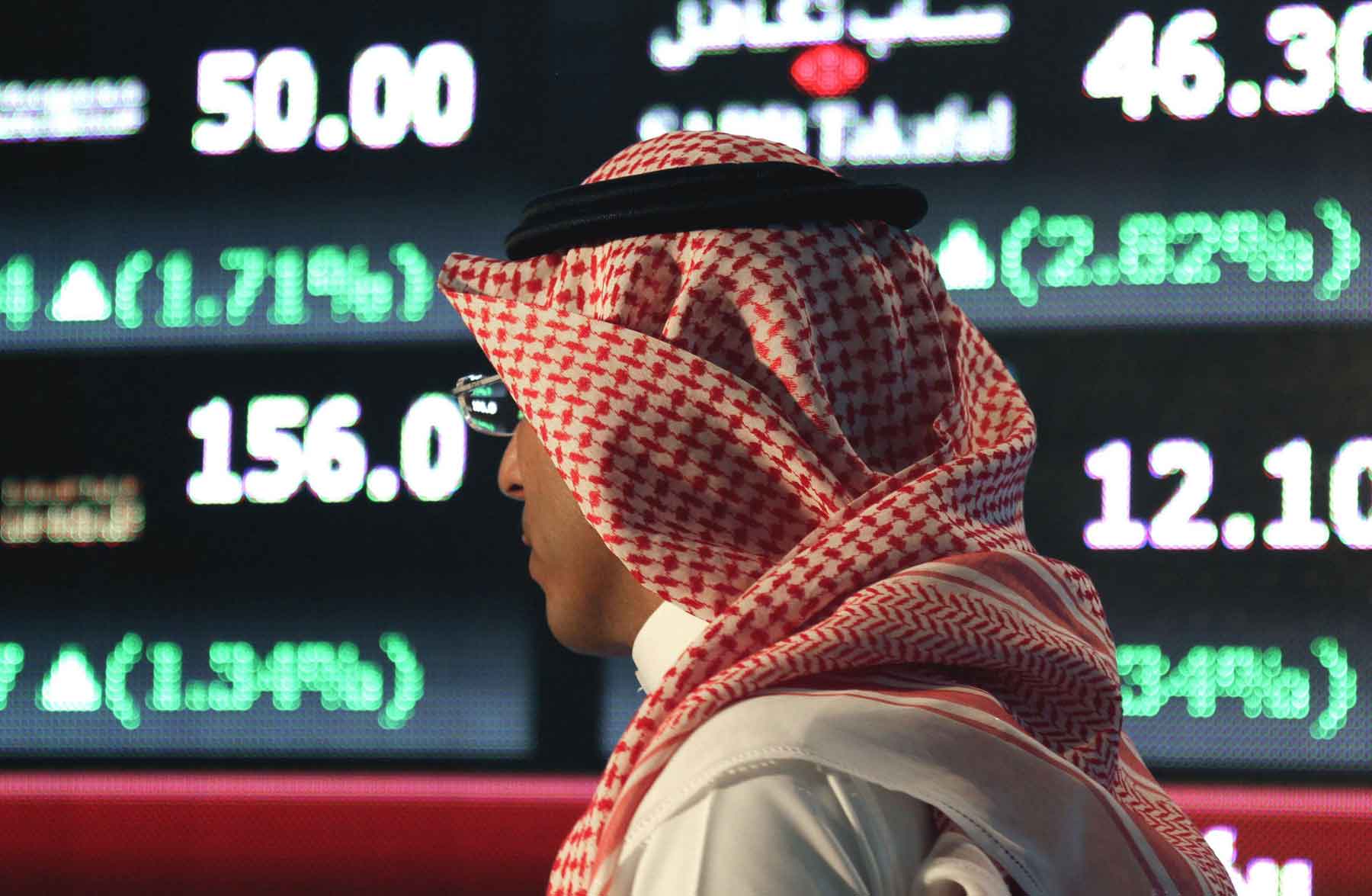
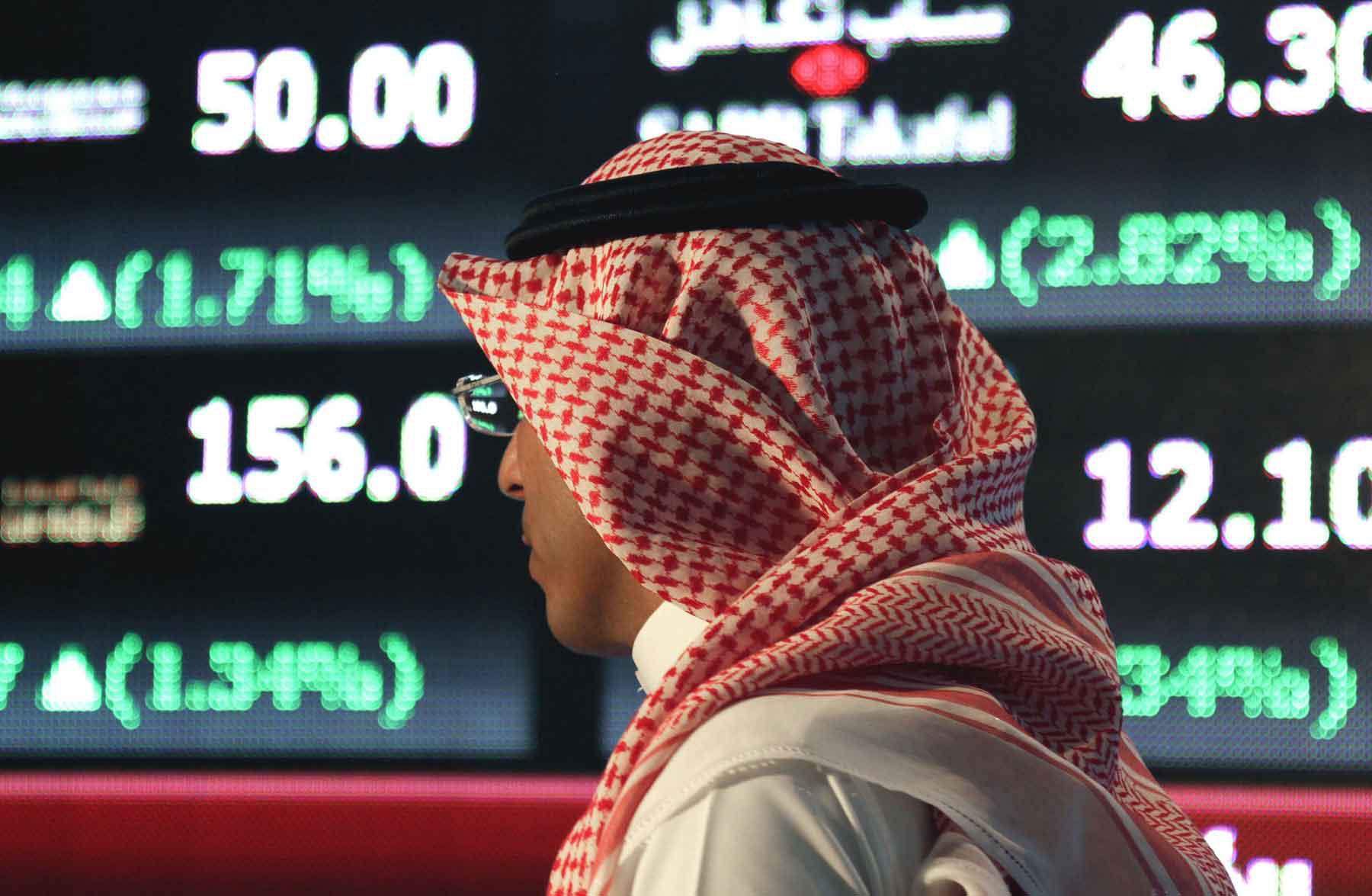
Until now, Tadawul had operated under strict eligibility rules, permitting only Qualified Foreign Investors (QFIs) to trade. This effectively restricted foreign capital to large institutional players, limiting liquidity inflows. The new policy removes those barriers, enabling individuals, SMEs and international companies from across the globe to trade directly on the largest equity market in the Middle East and Africa.
Analysts say the expansion is likely to reshape regional financial dynamics. By broadening the investor base, the kingdom is expected to see a surge in liquidity, potentially boosting its weight in global indices such as MSCI and FTSE, and attracting billions of dollars in both passive and active capital.
The influx of new capital could provide critical financing for mega-projects like Neom and The Line, while facilitating initial public offerings (IPOs) for companies linked to the Public Investment Fund (PIF). The move also supports Saudi Arabia’s strategic goal of joining the world’s top ten stock markets by market capitalisation, a target that demands capital beyond traditional institutional flows.
The timing of the initiative complements Saudi Arabia’s “regional hub” strategy, which has encouraged global companies to establish regional headquarters in Riyadh. With the stock exchange now fully accessible, expatriate employees and multinational firms in the capital will have a complete financial ecosystem, allowing them to invest savings and capital locally and further integrating the domestic economy.
Saudi Arabia is positioning itself not only as a global energy powerhouse but also as a leading regional financial centre. Tadawul’s transformation signals that the kingdom is no longer a closed market but a dynamic competitor, blending sovereign control with market flexibility in a bid to redefine the Middle East’s financial balance.
The reform comes at a moment when global investors are seeking emerging markets with political stability and sustainable economic growth, a combination that Saudi Arabia can offer relative to more volatile regional markets.
The move is also expected to spur growth in the kingdom’s fintech sector, attracting start-ups to provide innovative trading and brokerage services to a new wave of international investors.
As Saudi Arabia opens its doors to all foreign investors, the kingdom is sending a clear signal: it intends to assert itself as a major player in the global financial arena, complementing its leadership in energy with a fully integrated, world-class financial ecosystem.