

A connection that was never incidental
How Maduro’s capture shifts the balance on Polisario
For decades, the Polisario has relied on inconsistent international support; now it faces a stark reality: its allies are collapsing.
Monday 05/01/2026
A connection that was never incidental
In a matter of minutes, Venezuelan President Nicolas Maduro was in the hands of US special forces,an operation that showcased Washington’s capacity to move swiftly on complex international files, after years of continuous military posturing toward Caracas.
Maduro, the Bolivarian ruler who inherited power from Hugo Chavez and established what he called the “Fifth Republic,” was never just a national leader. For decades, he served as a strategic pillar of the Polisario separatist project in the Western Sahara, providing both political and military support from Caracas and effectively becoming an external extension of the movement outside Algerian territory.
Maduro’s fall is far from a purely domestic event. It sends a stark signal of the unravelling of a complex web of allies backing the separatists, arriving at a moment when Europe is increasingly aligning behind Morocco’s autonomy plan as a practical, final solution to the long-standing conflict.
This shift on the international stage did not come by chance. Countries that back separatist movements often encounter a familiar trajectory: the sequential collapse of allies and the gradual erosion of their political leverage.
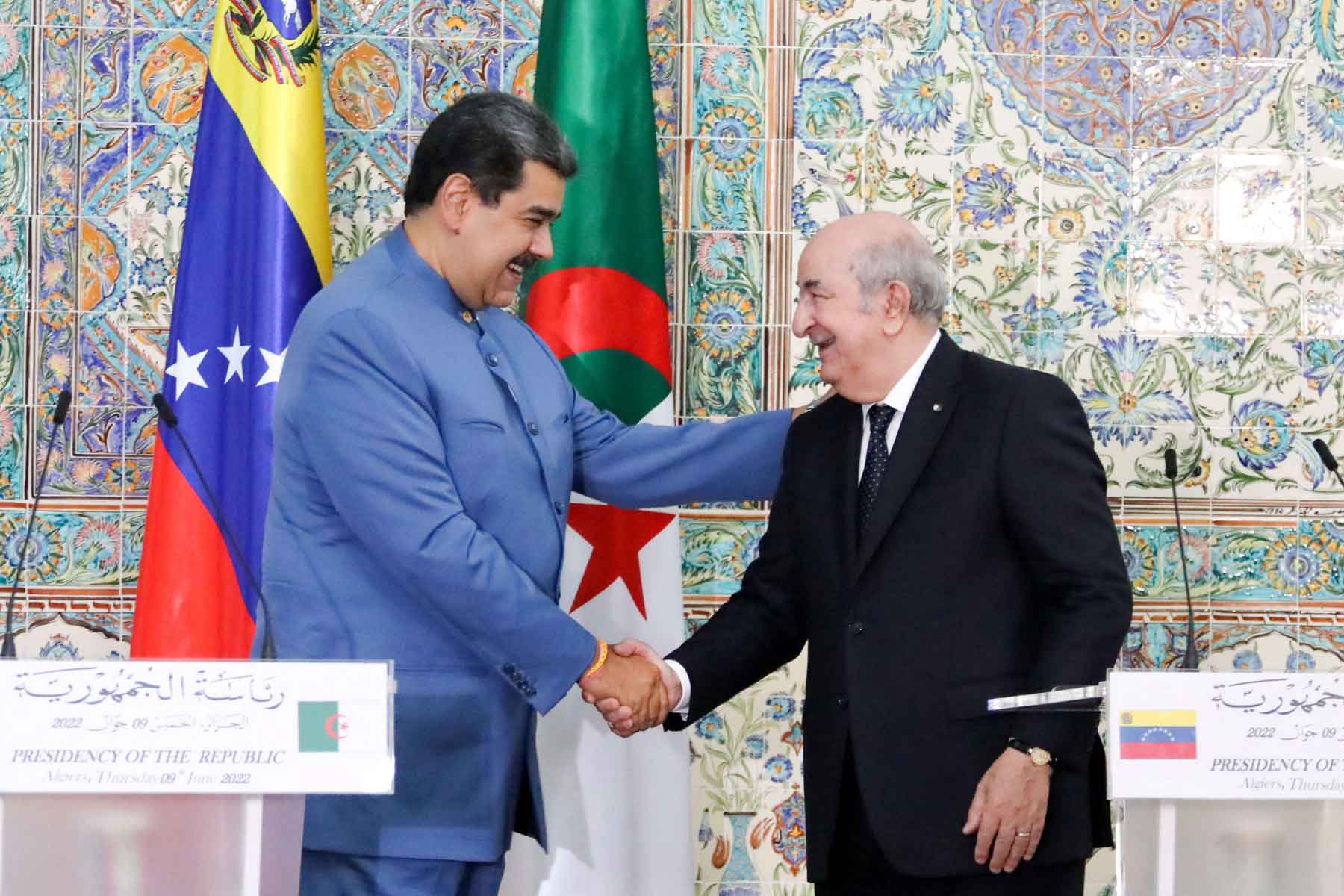
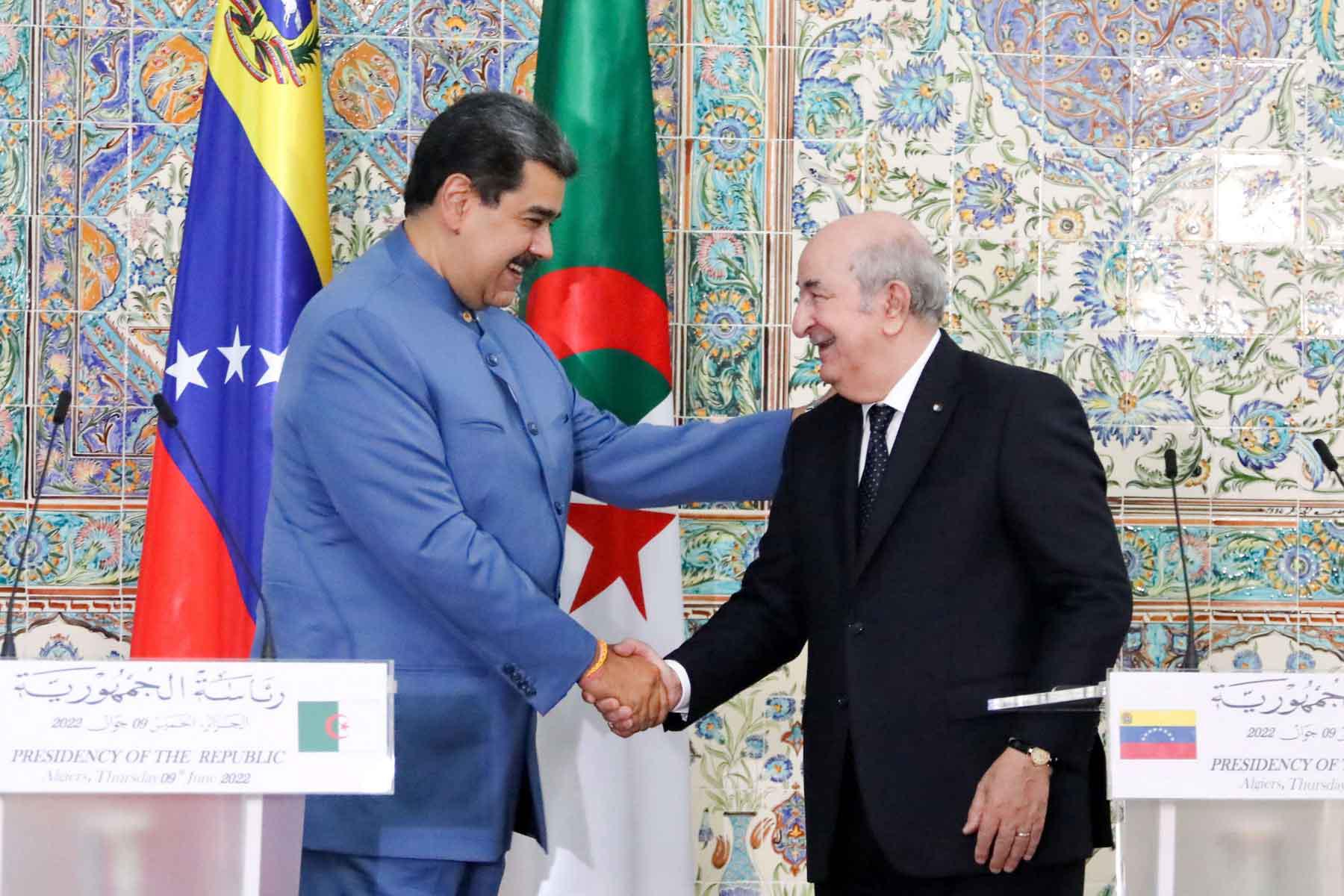
The Maduro-Polisario connection was never incidental. Every official visit, every state ceremony, every cooperation agreement, reinforced Caracas’s active support for the movement. Algeria’s influence, projected through Venezuela, allowed it to maintain a foothold in international diplomacy. Maduro’s hosting of Algerian President Abdelmadjid Tebboune in June 2022, which revived discussions around the Polisario, reflected a careful diplomatic dance designed to protect Caracas’s political interests amid domestic and international isolation.
Morocco, however, has long recognised the stakes. It understood that Maduro’s continued rule meant continued separatist influence in Latin America. Rabat therefore took pre-emptive steps, supporting the Venezuelan opposition and recognising interim parliamentary leader Juan Guaido, who quickly expressed support for Morocco’s autonomy plan, laying the foundation for a tangible diplomatic erosion of Polisario’s international backing.
What makes Maduro’s fall so significant is that it is not an isolated event. Since 2011, with the death of Muammar Gaddafi, a long-time financier of the Polisario, through to the fall of Assad’s regime in 2024, a pattern emerges: the collapse of the movement’s allies, the loss of military and political support and the mounting international pressure that exposes Polisario to an increasingly hostile global environment.
Moreover, Iran and Hezbollah, who once extended support to the separatists, are now in an unprecedented state of weakness. US and Israeli airstrikes targeting key leaders, combined with internal crises, have left these actors incapable of offering meaningful political or military backing, leaving Algeria largely isolated, its manoeuvres under close international scrutiny as Morocco’s autonomy plan gains momentum.
The lesson of Maduro’s capture is both straightforward and profound: in global politics, influence and survival hinge on alliances that are stable and credible, not opportunistic and fluctuating. For decades, the Polisario has relied on inconsistent international support; now it faces a stark reality: its allies are collapsing, its political leverage is shrinking and Morocco’s autonomy plan has emerged as the most realistic solution to end the conflict.
Once again, Morocco demonstrates that realism, grounded diplomacy and adherence to facts on the ground surpass emotional alliances and empty slogans. Maduro’s fall is not merely the end of an era in Venezuela. It is a domino effect, accelerating the dismantling of external support for the Polisario, reaffirming that history is unforgiving to those opposing national constants, and that separatist ventures, however long-lived, will ultimately crumble before strategic statecraft and patience.
