

Patience is running thin
Institutional feud throws Libya’s electoral process into renewed uncertainty
The latest confrontation lays bare the depth of Libya’s structural crisis and the persistent obstacles blocking the country’s long-delayed return to the ballot box.
Tuesday 06/01/2026
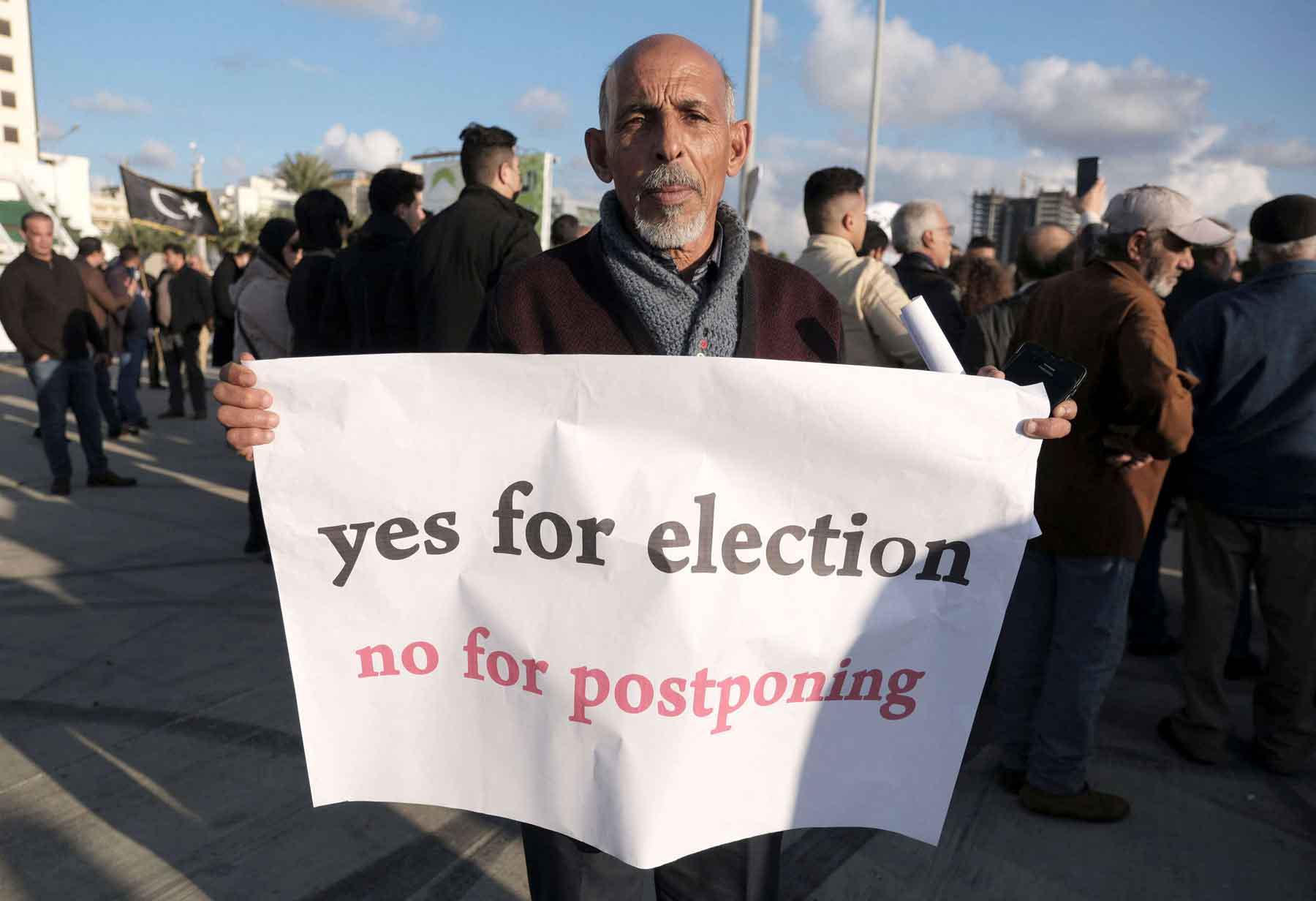
Patience is running thin
TRIPOLI –
Libya’s fragile political landscape has entered a new phase of tension, as a public and increasingly acrimonious dispute erupts between the country’s two rival decision-making bodies: the House of Representatives, led by Speaker Aguila Saleh, and the High Council of State, headed by Mohamed Takala.
The latest confrontation, centred on the completion of the board of the High National Election Commission (HNEC), goes well beyond a routine administrative disagreement. Instead, it lays bare the depth of Libya’s structural crisis and the persistent obstacles blocking the country’s long-delayed return to the ballot box.
Saleh has launched sharp criticism at Takala, accusing him of “deliberate procrastination” in meeting key political deadlines. The parliamentary speaker argued that steps taken by the House of Representatives to complete the legal quorum of the electoral commission were a “national necessity” to ensure institutional readiness for the long-promised elections.
He went further by questioning Takala’s commitment to ending Libya’s prolonged political paralysis, accusing the High Council of State’s leadership of deliberately obstructing the electoral process by clinging to what he described as disabling procedural technicalities.
The High Council of State responded swiftly. At a session held on Monday, the council voted to appoint Salah al-Kumayshi as chairman of the High National Election Commission, securing 63 votes against 33 for his rival, Aref al-Tir. The move underscored the council’s insistence on exercising its authority over sovereign appointments, including key electoral posts.
Takala defended his stance by citing the Libyan Political Agreement and the outcomes of the Bouznika talks, stressing that appointments to sensitive institutions, most notably the election commission, must be based on partnership and consensus, rather than unilateral decisions. He warned that the approach adopted by parliament undermines political balance and erodes the understandings previously reached between the two bodies.
Libyan observers say the continuing tug-of-war ultimately serves forces that benefit from the persistence of the status quo. Ongoing disputes over procedural legitimacy steadily weaken already fragile institutions, creating space for repeated international interventions and mediation efforts that often falter in the face of domestic resistance. The result, analysts argue, is a familiar cycle of inconclusive negotiations that leaves Libya trapped in political limbo.
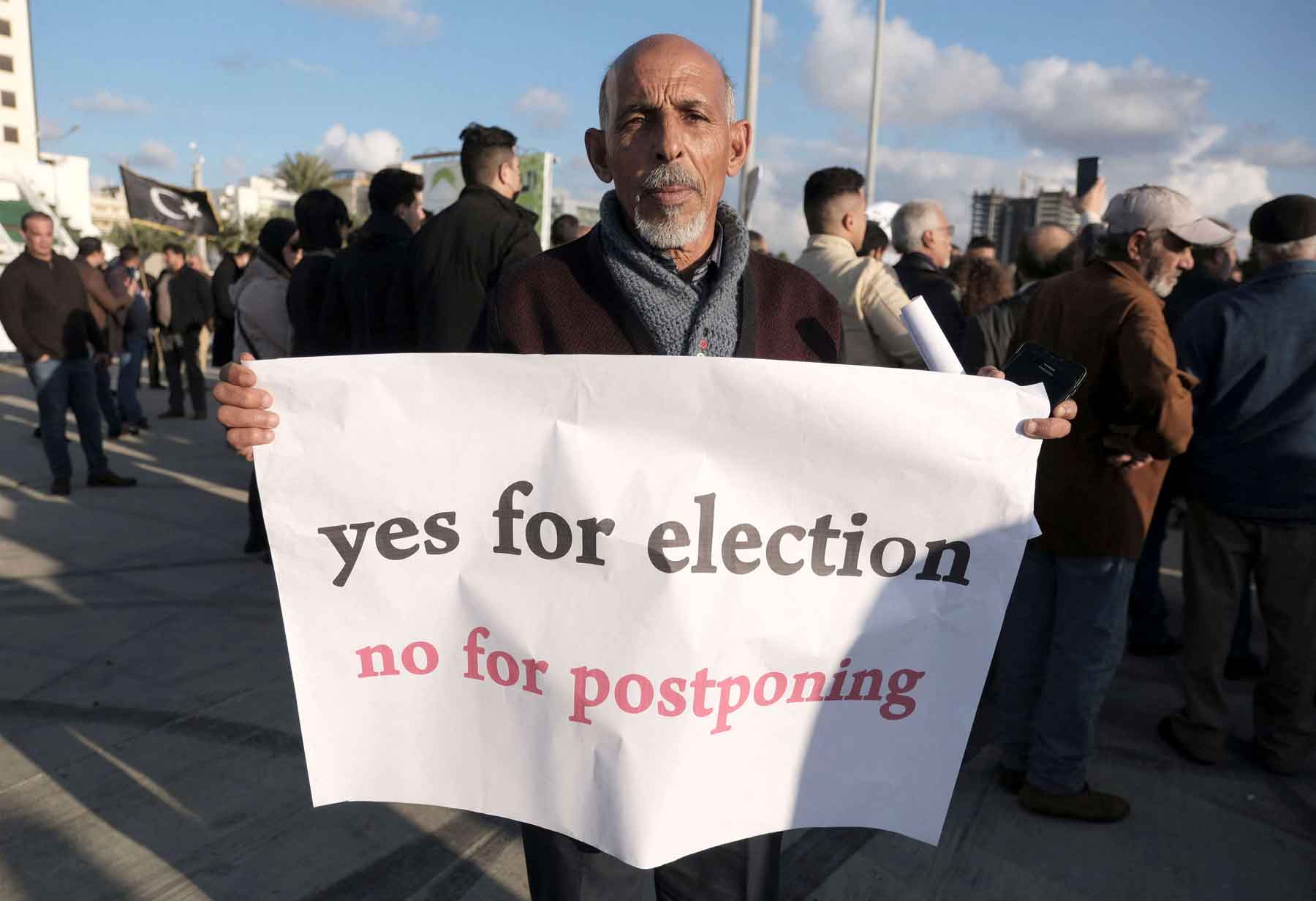
Many see the current row over the election commission as only the tip of the iceberg. The deeper problem, they say, lies in the absence of genuine political will to prioritise national interests over narrow factional gains. As long as decision-making remains hostage to zero-sum rivalries between the two councils, Libya’s electoral process will remain stalled, derailed by legal challenges and procedural disputes.
Analysts conclude that moving from institutional confrontation towards genuine national consensus will require firm domestic and international guarantees compelling all parties to respect agreed political rules and accept electoral outcomes. For now, however, that path remains uncertain, lacking both clarity and momentum.