

Deep institutional ties to Tehran
Iran accused of deploying Iraqi militias to crush protests at home
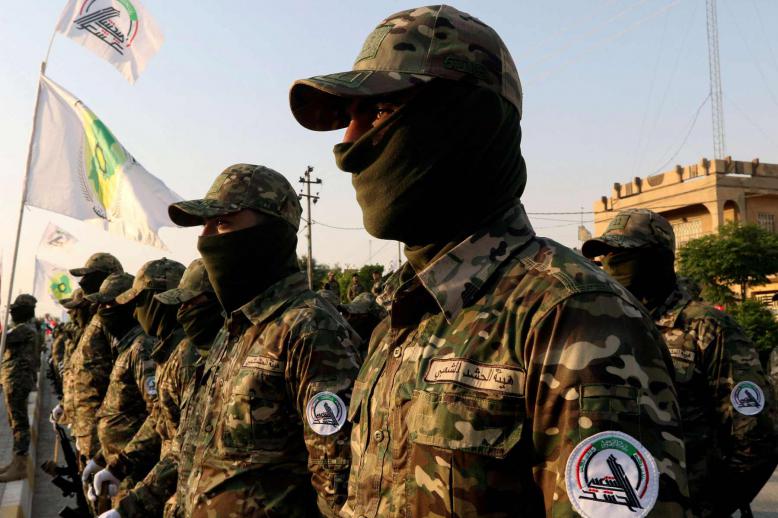
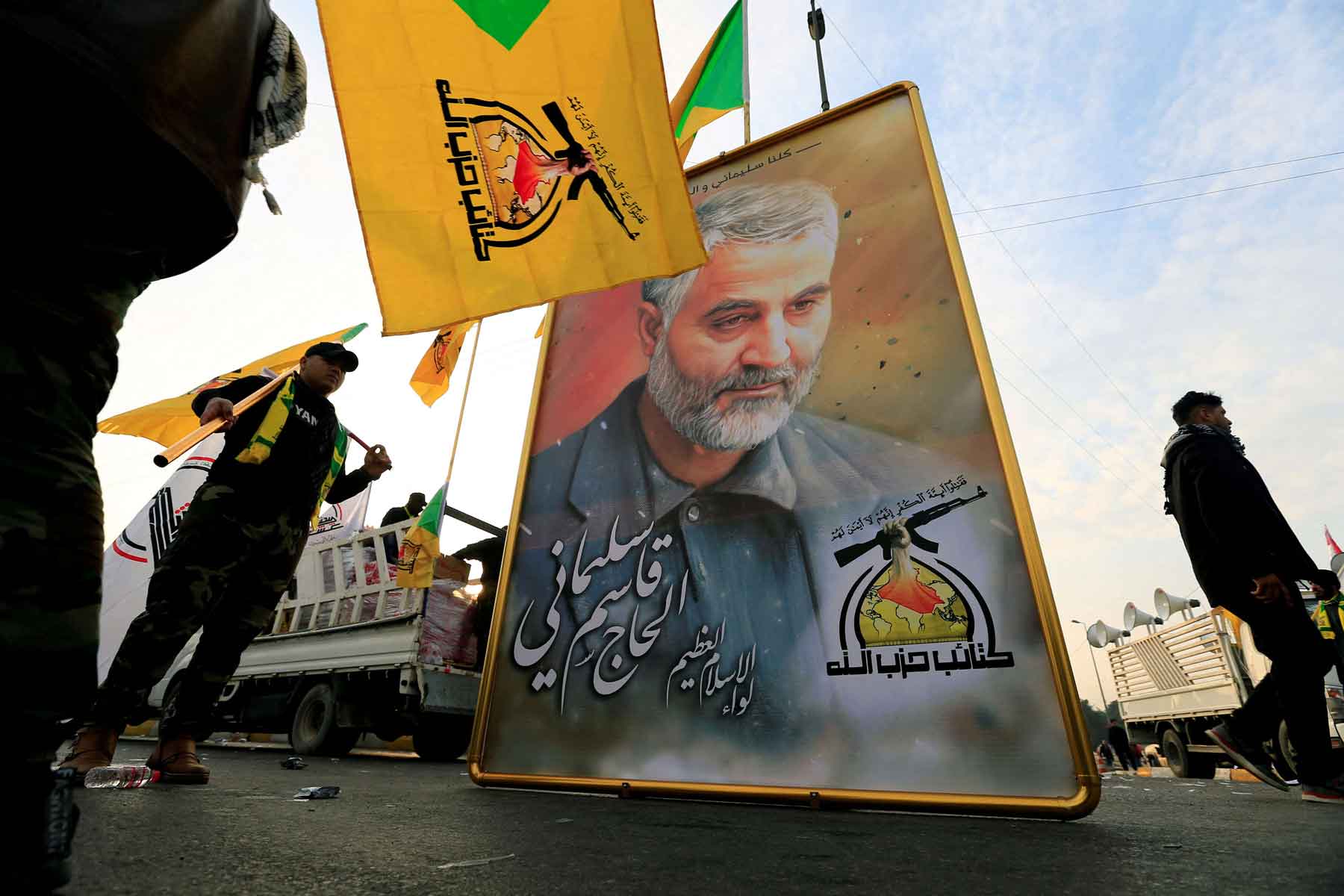
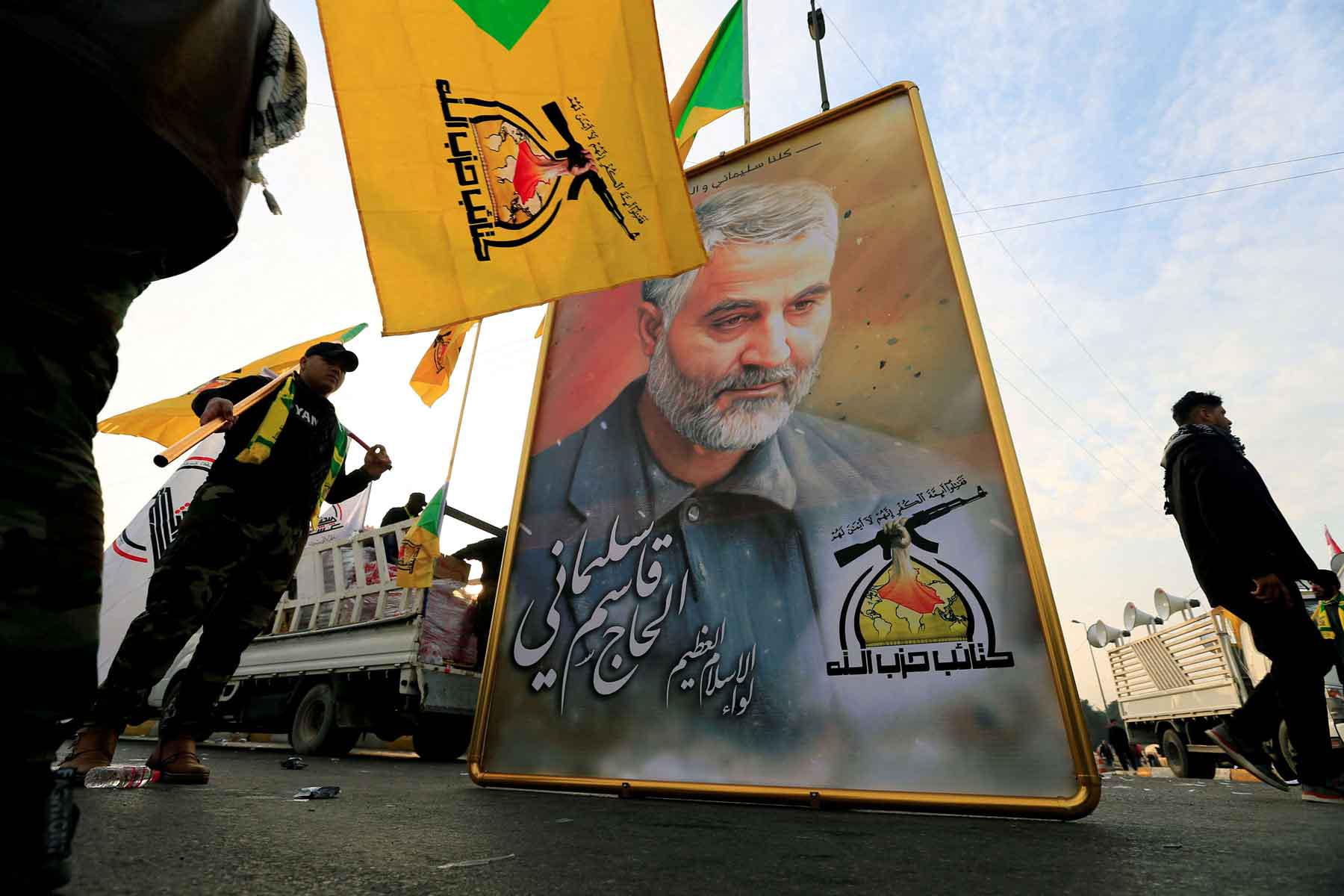
Those mobilised reportedly belong to factions with deep institutional ties to Tehran, including Kataib Hezbollah, Harakat al-Nujaba, Liwa Sayyid al-Shuhada and the Badr Organisation.
Thursday 08/01/2026
Deep institutional ties to Tehran
TEHRAN –
Iranian authorities are increasingly relying on allied Iraqi militias to bolster their crackdown on a growing wave of domestic protests, according to opposition-linked reports, in a move that underscores Tehran’s long-standing dependence on transnational armed groups to suppress dissent at moments of acute internal pressure.
Iran International, citing informed sources, reported that a coordinated operation has been under way for several days to recruit and transfer fighters from Iraqi militias closely aligned with Iran’s Islamic Revolutionary Guard Corps (IRGC). The deployment is intended to reinforce security forces in Tehran and other cities experiencing sustained demonstrations. Around 800 fighters are believed to have crossed into Iran so far, the sources said.
Those mobilised reportedly belong to factions with deep institutional ties to Tehran, including Kataib Hezbollah, Harakat al-Nujaba, Liwa Sayyid al-Shuhada and the Badr Organisation. According to the reports, the fighters have received direct instructions to assist in crowd control operations and the pursuit of protest organisers and activists.
While the Iraqi government has made no public comment, the reports suggest officials in Baghdad are fully aware of the mobilisation and transit of these forces, raising questions over Iraq’s ability or willingness to prevent its territory from being used as a corridor for operations linked to alleged human rights violations inside Iran.
The transfers are said to be taking place through three main border crossings, Shalamcheh, Jadidat Arar and Khosravi, under the cover of organised “religious visits” to the holy city of Mashhad, ostensibly to visit the shrine of Imam Reza. Once inside Iran, the fighters are reportedly gathered at a facility known locally as the Khamenei Base in Khuzestan province before being dispatched to various flashpoints.
Visual evidence sent by Iranian citizens to opposition media outlets appears to reinforce the claims. Several videos circulating online show security personnel speaking Arabic with unmistakable Iraqi accents, fuelling public speculation inside Iran that foreign fighters are being used to suppress Iranian demonstrators.
The alleged reliance on proxy forces comes as Iran faces one of its most violent crackdowns in years. Over the past ten days, dozens of protesters have been killed and large numbers detained, including minors. The non-governmental organisation , Human Rights Activists in Iran (Hrana) said at least 36 people had died in the latest unrest, among them four children.
Outrage has also followed reports of security forces storming hospitals in the western city of Malekshahi in Ilam province, as well as a medical facility in Tehran, actions that have drawn sharp domestic and international criticism.
The US secretary of state described the attack on Malekshahi hospital as “a clear crime against humanity,” while President Donald Trump warned Iran’s leadership that systematic killings of protesters would prompt American measures aimed at defending the Iranian people.
Despite mounting pressure, Iran’s Supreme Leader Ayatollah Ali Khamenei struck a defiant tone in a speech last week, calling for protesters to be “put back in their place,” remarks widely interpreted as an endorsement of continued repression.
This is not the first time Tehran has been accused of importing its own proxy network to deal with unrest at home. During the Woman, Life, Freedom uprising in late 2022, similar reports emerged of fighters from Iraq and Lebanon being moved into Iran to reinforce security forces in Mashhad and other cities.
Analysts say the pattern mirrors Iran’s regional playbook in Syria, where foreign militias were deployed to prop up President Bashar al-Assad at the height of the civil war. The growing use of non-Iranian armed groups inside Iran itself, they argue, reflects a regime increasingly reliant on external coercive power to compensate for eroding domestic legitimacy.