

No diktat
Iran balances Lebanon diplomacy with firm warning to US
The visit underscores Iran’s dual strategy of consolidating influence in the Levant while signalling readiness to engage diplomatically with Washington.
Thursday 08/01/2026
No diktat
BEIRUT/WASHINGTON –
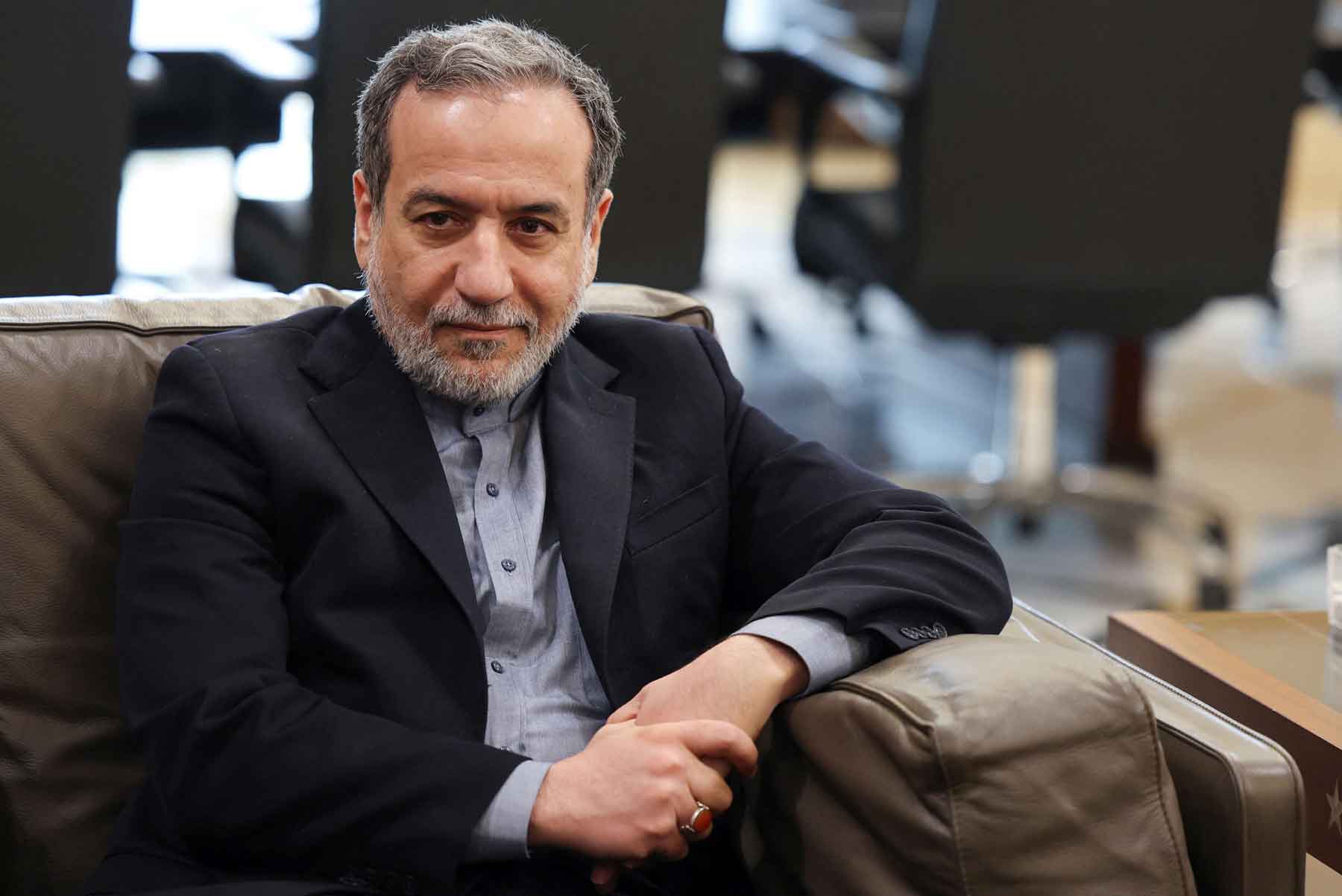
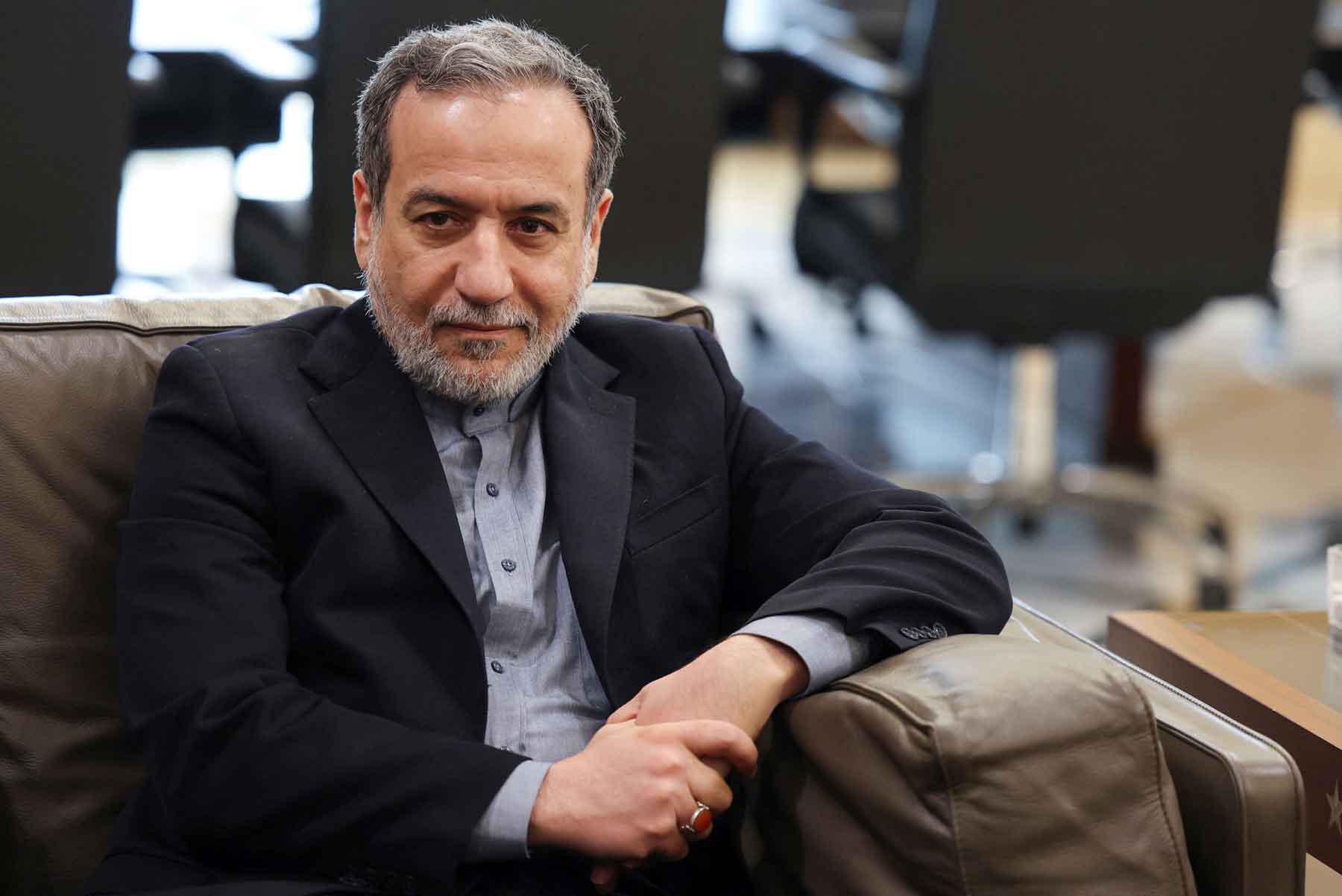
Iran’s Foreign Minister Abbas Araghchi arrived in Beirut on Thursday for a high-profile visit aimed at strengthening ties with Lebanon and addressing shared regional security threats, even as Tehran maintains a tense stance toward the United States over its nuclear programme. The visit underscores Iran’s dual strategy of consolidating influence in the Levant while signalling readiness to engage diplomatically with Washington under conditions of mutual respect.
Speaking at Beirut’s Rafic Hariri International Airport, Araghchi described Lebanon as a “key country in the region,” highlighting its role in maintaining regional stability. He said his consultations with senior Lebanese officials would focus on “serious challenges and threats,” particularly those linked to Israel, which he claimed had attacked seven countries in the region over the past two years, including Iran and Lebanon. He also stressed that parts of Lebanese territory remain under Israeli occupation and that recent ceasefires have been repeatedly violated, heightening tensions in the region.
Araghchi’s visit, which comes at a sensitive moment amid ongoing Israeli threats and internal Lebanese political fragility, reflects Tehran’s broader aim of reinforcing its regional alliances and influence. Economic cooperation with Lebanon is also a priority, signalling Iran’s intent to deepen trade and investment links as part of its diplomatic outreach.
At the same time, Araghchi addressed the United States, asserting that Iran does not seek war but is fully prepared to respond to any renewed attacks by Washington or Israel. He referred to the June conflict during which Israel targeted Iranian nuclear facilities and military personnel, while the US conducted airstrikes on key enrichment sites.
“America and Israel have tested their attack on Iran and this strategy faced extreme failure. If they repeat it, they will face the same results,” he warned.
On the nuclear front, Araghchi indicated that Tehran remains open to negotiations with the US, provided they are based on equality and mutual respect rather than US diktat. He reiterated that Iran’s nuclear programme is peaceful, despite Western claims and IAEA concerns over past weaponisation activities. “We believe that constructive and positive negotiations, rather than ordered dictation, are the framework for fruitful outcomes,” he said.
Analysts note that Tehran’s approach reflects a careful balancing act. By linking Lebanon and broader regional security to the nuclear dispute with Washington, Iran presents itself as a central regional power defending its interests against perceived external threats while keeping diplomatic channels open with the US.
The timing of Araghchi’s visit also highlights the convergence of multiple flashpoints in the Middle East. Beyond Lebanon, tensions continue in Syria, where clashes between Kurdish-led forces and the Damascus government have escalated, and in Yemen, where the Saudi-backed peace process remains fragile. Israel’s ongoing security concerns, including threats against Iranian-linked positions in the region, further complicate Tehran’s regional calculations.
Observers suggest that Araghchi’s visit signals Tehran’s intent to solidify its strategic foothold in Lebanon as a buffer against Israeli actions while sending a calibrated message to Washington that diplomacy remains possible, but on Iran’s terms. For Lebanon, the talks provide an opportunity to align more closely with Tehran on security and economic matters, reinforcing its position amid regional instability.
In this context, Araghchi’s dual messaging, asserting Iran’s military readiness while advocating dialogue, illustrates the country’s broader strategy of deterring adversaries and preserving influence across the Middle East, even as it navigates high-stakes negotiations with the world’s leading powers.