

Eyes on Tehran
Iran nears landmark accord with US amid last-minute deliberations
Iranian Foreign Ministry spokesperson Esmaeil Baghaei was quoted by state media as saying on Saturday it would “not be tomorrow” but could happen “in the coming days.”
Sunday 14/06/2026
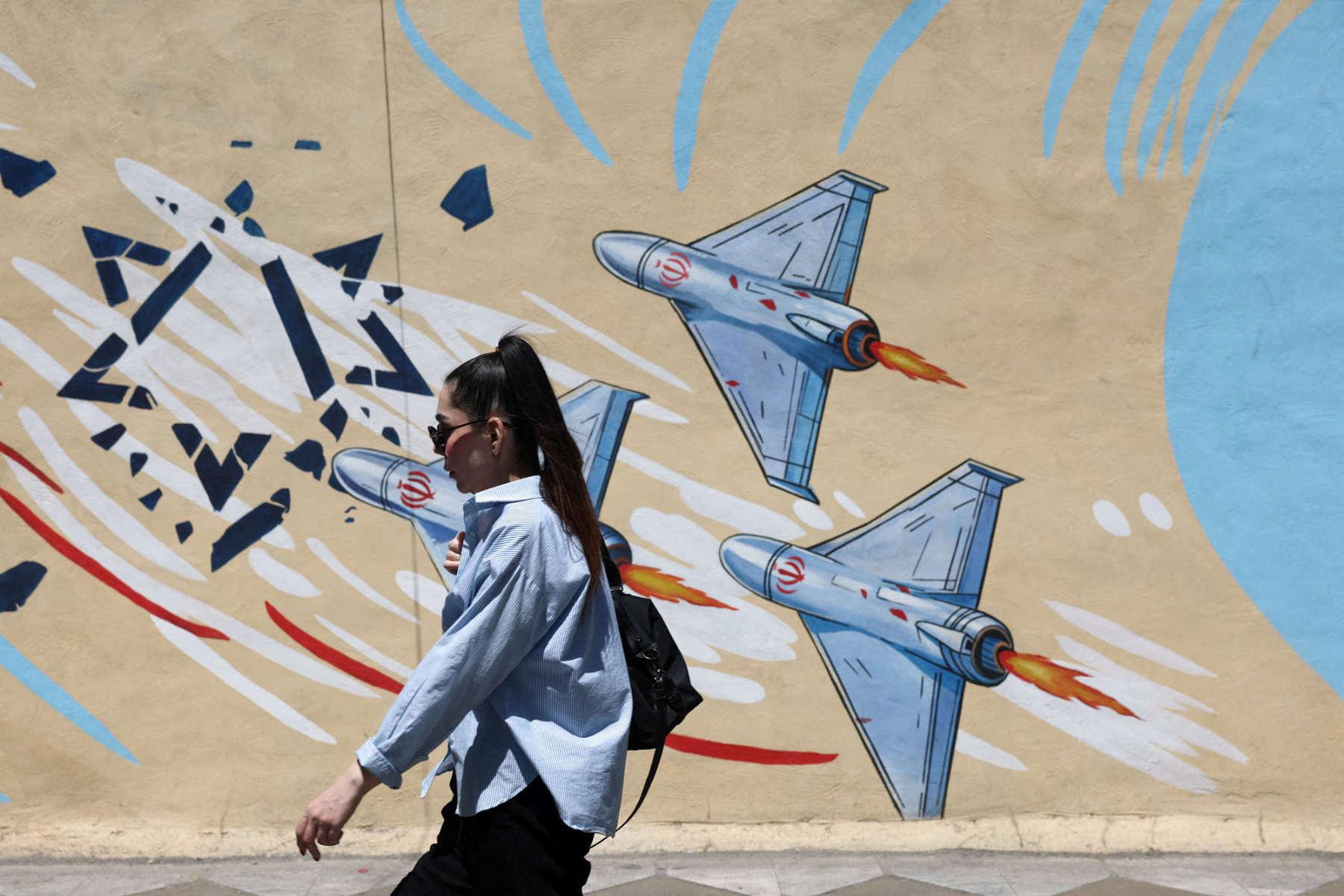
Eyes on Tehran
DUBAI/WASHINGTON – US and Pakistani leaders forecast a Sunday signing of a long-elusive framework agreement to end months of fighting between the United States and Iran, but Tehran cast doubt over the timing and hardline protesters in Iran voiced opposition.
Qatari negotiators flew to Tehran on Sunday morning as part of an effort to finalise the agreement, a source with knowledge of the situation told Reuters.
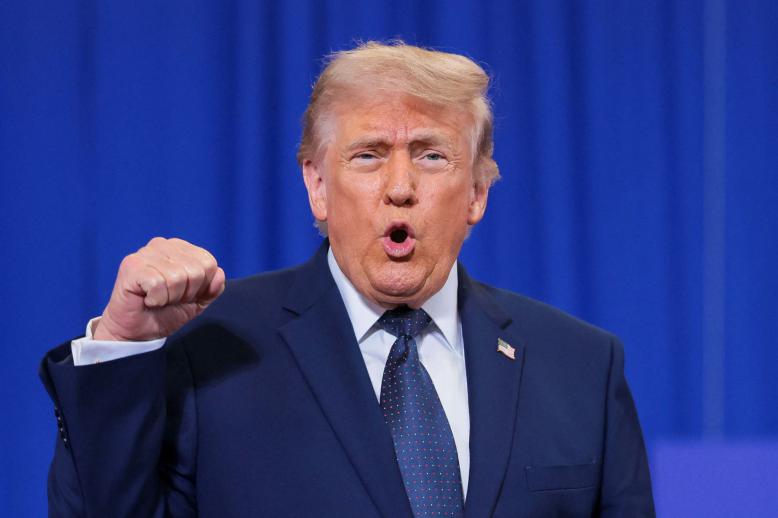
US President Donald Trump posted that the deal with Iran was scheduled to be signed on Sunday, his 80th birthday. Pakistani Prime Minister Shehbaz Sharif said Islamabad was preparing for an electronic signing, to be followed by technical-level talks in the coming week.
But Iranian Foreign Ministry spokesperson Esmaeil Baghaei, speaking before Trump’s post, was quoted by state media as saying on Saturday it would “not be tomorrow” but could happen “in the coming days.”
Iran’s Fars news agency, citing an informed source, said on Sunday Tehran has not yet taken a final decision on the framework agreement, with reviews of its political, legal and technical aspects ongoing at expert and decision-making levels.
A senior Iranian official said that, under the terms of the draft deal, the US would agree to release $25 billion of frozen Iranian assets, while Tehran would agree not to produce or acquire nuclear weapons.
US focuses on opening straight, clashes continue
Trump wrote on Truth Social earlier that after a framework deal is signed, the Strait of Hormuz, a vital artery for global oil supplies that Iran has effectively blocked, would immediately be “open to all.”
Once the strait reopens, the US would lift its naval blockade, sources on all sides of the talks said. Negotiations over Iran’s nuclear programme, a rationale Trump has given for the war, would take place afterwards.
While US and Israeli bombings since February 28 have heavily degraded Iran’s military-industrial base and damaged its military, experts say the war has entrenched the dominance of Iran’s hardline Islamic Revolutionary Guard Corps.
When the US and Israel launched the war, Trump called on Iranians to rise up and take over state institutions.
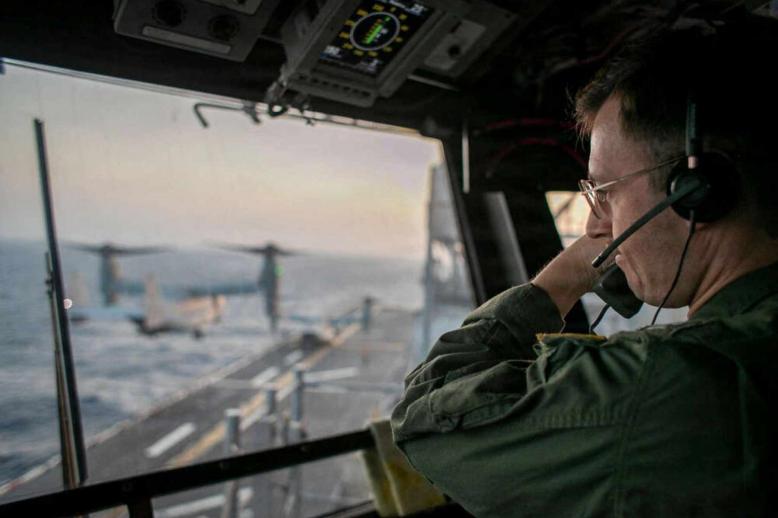
Even as the US and Iran appeared to be moving toward an agreement over the past few days, clashes have continued, as the US military maintains a blockade on Iran and seeks to loosen Iran’s chokehold on the Strait of Hormuz, which was the conduit for 20 percent of the world’s oil shipments before the war.
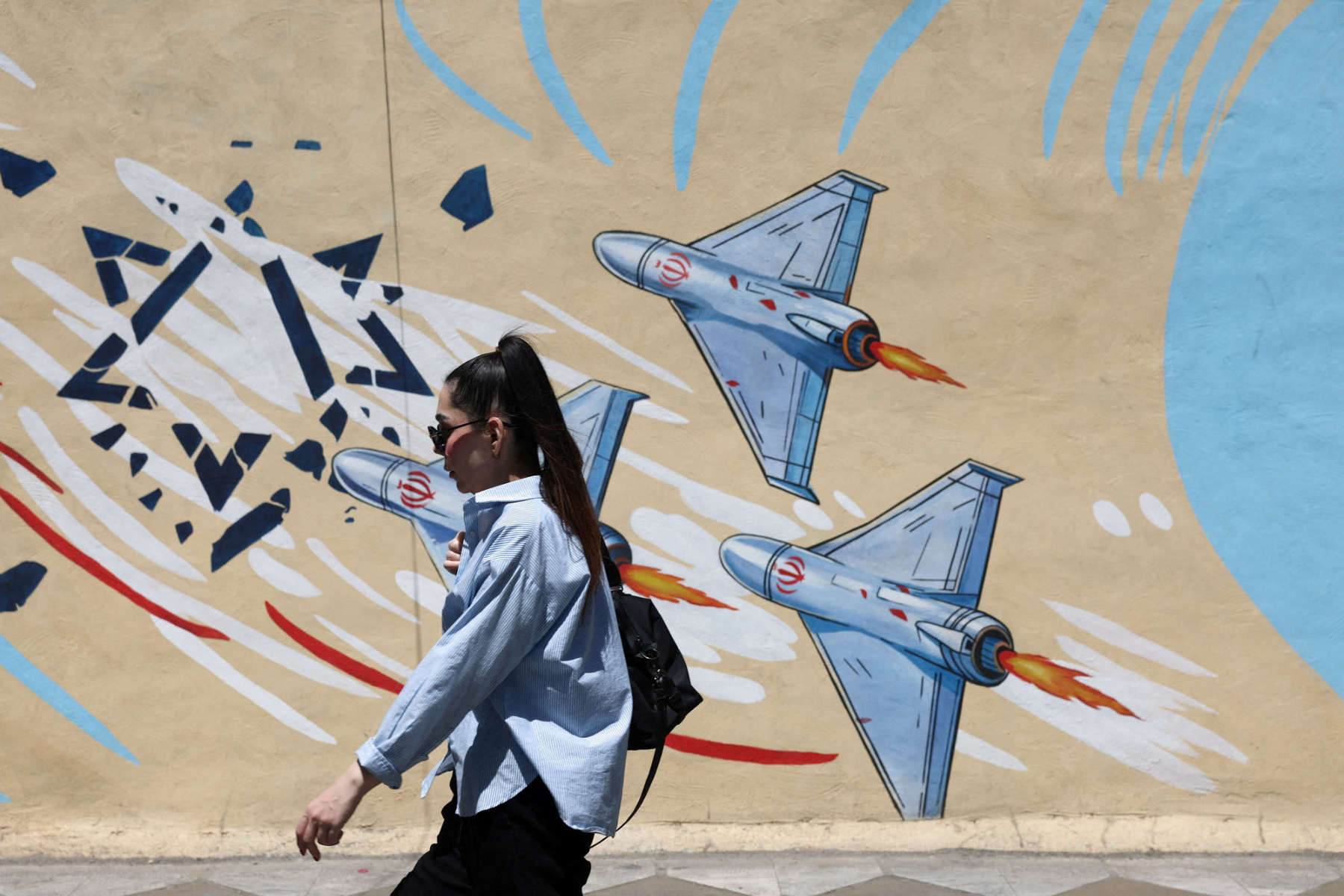
Early on Saturday, US forces shot down multiple Iranian drones heading toward the strait, the US military said.
Israel, which says it is not a party to the US-Iran deal, said on Sunday it had attacked Hezbollah targets in Beirut’s southern suburbs after it said the Iranian ally had fired three projectiles at northern Israel.
The exchange highlighted the precarious nature of the negotiations, with Israel saying it will retain freedom of operations in Lebanon while Tehran has made a full ceasefire there an important component of its demands.
Israeli Prime Minister Benjamin Netanyahu has clashed with Trump over US demands that Israel curb military action in Lebanon to allow Washington to reach a deal with Tehran.
Nuclear negotiations to come later
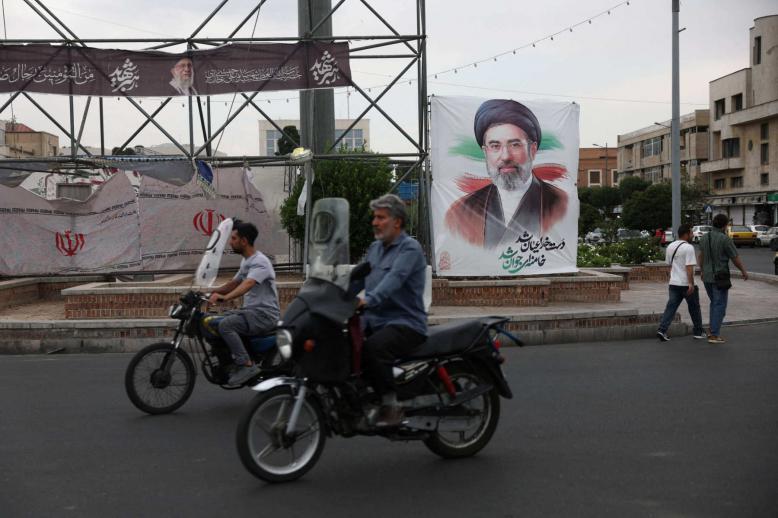
At pro-government rallies held across Iran on Saturday night, residents and news agencies reported that hardliners opposed to the framework agreement loudly voiced their dissatisfaction.
A resident in the northeastern city of Mashhad said that some protesters chanted “Death to the compromiser,” in an apparent reference to Araghchi. They said: “Compromiser, resign, resign.”
Draft terms of the agreement indicate the US would begin releasing billions of dollars in frozen Iranian assets and waive sanctions on its oil exports, in return for Iran opening the strait.
“Iran is going to open up the Strait of Hormuz, that’s a requirement. It could be open with no tolls. As they do that, we will lift our blockade,” a US official said.
Next would come de-mining of the waterway, the official told reporters, indicating countries in the Group of Seven major powers could have a role in this.
Iran’s nuclear programme would be addressed during a 60-day period of talks.
The senior Iranian official said on Sunday that Iran agreed to maintain the nuclear status quo, including no uranium enrichment or expanding nuclear facilities, until a final deal was reached.
A US official said the agreement would ultimately lead to the dismantling of Iran’s nuclear programme, with its stockpile of highly enriched uranium to be destroyed and removed.
The senior Iranian official said the draft deal would allow Iran to dilute its enriched uranium inside the country.
An important US aim has been the removal of Iran’s enriched uranium, particularly the 440.9 kg (972 lb) enriched to up to 60 percent purity that the International Atomic Energy Agency estimated Iran had before the first Israeli strikes on June 13, 2025.
That is enough, if enriched further, for 10 nuclear weapons, according to an IAEA yardstick, though how much of it remains is unclear. Iran has always denied seeking a nuclear bomb and says its atomic programme is for peaceful civilian purposes.