
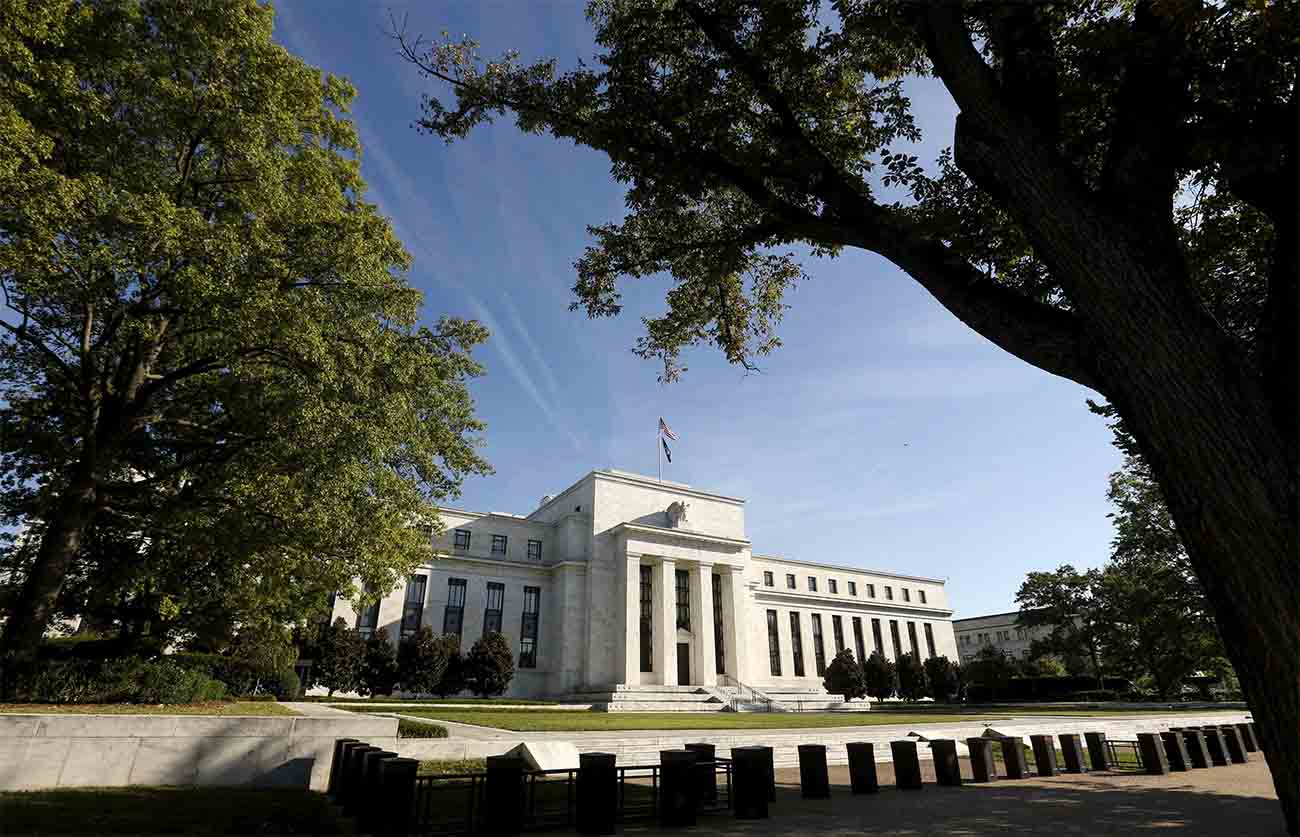
The Federal Reserve headquarters in Washington
Iran peace deal no silver bullet for Fed's inflation dilemma
Given that core inflation rates were already running more than a point above the Fed's target in January and February, the complete reversal of Iran-related energy prices alone doesn't solve the problem.
Thursday 25/06/2026
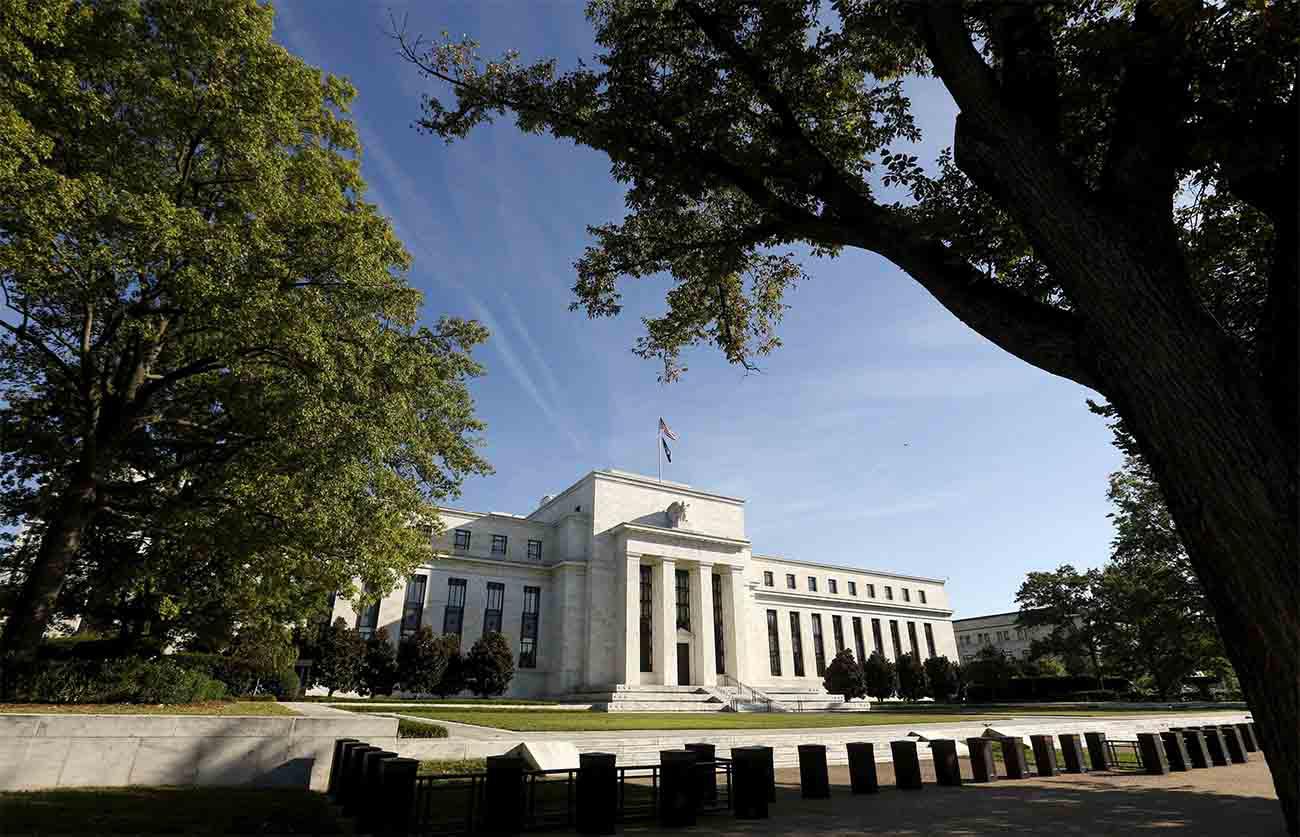
The Federal Reserve headquarters in Washington
LONDON - Peace in the Gulf may ease pump prices, but not the Federal Reserve's bigger problem: a US economy that may already have been overheating before the Iran war. If oil retreats to pre-war levels, it could even spur demand at a critical juncture and worsen cost-of-living fears. That sounds like a "damned if it does, damned if it doesn't" predicament. Yet the Fed's dilemma on inflation and interest rates might not be resolved as easily by normalizing fuel prices as either it or President Donald Trump might wish.
To be sure, the inflation debate before the conflict had been equivocal, with markets siding with standing Fed guidance on further easing and viewing the arrival of new Chair Kevin Warsh as a significantly dovish signal.
The US-Israeli attacks on Iran on February 28 transformed that view, as a surge in crude and gasoline prices upended headline inflation forecasts after a fifth of the world's oil supplies was frozen by an unprecedented closure of the Strait of Hormuz. Four months of hot inflation readings and a pointedly hawkish Fed policy meeting last week have left their mark: futures markets, short-term Treasury yields and the dollar have now priced in almost two rate hikes over the next 12 months.
Most strikingly, not even last week's US-Iran ceasefire framework agreement has shaken those bets. The reopening of Gulf shipping lanes has pulled crude prices all the way back to pre-war levels, erasing a rise of nearly 70% in just four months - yet rate-hike expectations have barely moved.
As Apollo Chief Economist Torsten Slok pointed out on Wednesday, the market narrative has flipped from seeing oil prices as a direct inflation driver to one where lower energy costs could fuel demand in an already hot economy. Showing how the link between oil prices and two-year Treasury yields has broken down, Slok wrote: "The market narrative now suggests that the reopening of the Strait of Hormuz will further overheat the economy."
To be sure, there has always been a double narrative around the energy shock: whether it's primarily inflationary or a drag on demand, or potentially both. The crux is whether a return to February's status quo ante removes underlying inflation pressure, or merely lifts a temporary brake on business and household demand that had been building throughout the conflict. Given that core inflation rates were already running more than a point above the Fed's target in January and February, the complete reversal of Iran-related energy prices alone doesn't solve the problem. There have also been additional aggravators linked to the AI investment boom.
'PERSISTENT TUG OF WAR' Thursday's personal consumption expenditures reading for May, the Fed's preferred inflation gauge, will offer a further test of core price pressures, with annual core PCE expected to have ticked up to 3.4%. The data covers the period before last week's Iran deal, however, and will not capture any effect from it. On the demand front, US business surveys for June pointed to a rebound in activity from March lows, with composite manufacturing and services indices compiled by S&P Global both beating forecasts. Input and output price pressures remained sharply elevated.
And the stock market has continued to rocket regardless of the war and energy squeeze, as the AI spending frenzy continued. Even after this week's wobble, the Philadelphia Semiconductor index is up more than 60% since the Iran war began and the broader S&P 500 has gained 8%, adding to wealth effects and consumption tailwinds as bottlenecks from surging AI investment feed through into prices. In its mid-year outlook, JPMorgan raisedits S&P 500 year-end target and said the next Fed rate move is higher - even if that comes in 2027 rather than this year, as futures markets currently price in.
"Markets will grapple with a persistent tug of war between an energy-driven supply shock and a still resilient growth backdrop," JPMorgan strategists wrote, looking to the second half. "As growth/inflation trade-offs worsen, the odds of a Goldilocks outcome diminish - increasing the case for selective rate hikes."
Make no mistake, the return of oil prices to pre-war levels will give most governments and investors good reason to cheer. But whether it shifts the dial back 180 degrees for central banks is a different question. Looking at the Fed, the added complication for markets will be Warsh's wish to reduce guidance and signaling on future policy direction - something that may make markets more jumpy as the remainder of the year unfolds and require some risk premium.
Morgan Stanley's team, for one, expects this will mean higher market sensitivity to incoming economic data surprises, which argues for higher short-dated fixed income volatility ahead.
More clarity on energy prices may just be replaced by fog around everything else.