

Additional security pressures on Arab and African states
Iran threatens to drag Bab el-Mandeb into conflict as truce teeters
Iranian threats to target Bab el-Mandeb have emerged as a significant escalation, extending beyond traditional military calculations towards directly targeting the global economy.
Friday 22/05/2026
Additional security pressures on Arab and African states
TEHRAN – While regional powers led by Pakistan alongside Asian and Gulf countries continue efforts to contain escalating tensions between Iran on one side and the United States and Israel on the other, Tehran appears simultaneously focused on preparing scenarios for a possible collapse of the fragile truce and a return to direct military confrontation.
In that context, Iranian threats to use the Bab el-Mandeb Strait as a new pressure tool have emerged as a significant escalation, extending beyond traditional military calculations towards directly targeting the global economy and energy markets.
Statements issued by Iranian officials in recent days suggest Tehran is no longer limiting its warnings to the Strait of Hormuz, but is now seeking to widen maritime pressure to include Bab el-Mandeb, one of the world’s most strategically vital waterways. The shift reflects a broader transformation in Iran’s deterrence doctrine, moving from defence within the Gulf towards threatening international trade and energy routes across the wider region.
Mohammad Hassan Nami, special adviser to Iran’s interior minister, warned that any renewed attack on Iran would push Tehran to bring Bab el-Mandeb into the “equation of war,” cautioning that oil prices could rapidly surge beyond $200 per barrel and potentially reach $250 if shipping through the strategic passage were disrupted.
“The three straits of Hormuz, Malacca and Bab el-Mandeb are among the world’s most important strategic chokepoints, and any change in their status directly impacts oil prices and international security,” Nami said during a televised interview.
“To date, for strategic and tactical reasons, we have primarily utilised the capacity of the Strait of Hormuz, but this does not mean that other options are ignored,” he added.
“If we are ever forced to do so, or if we come under military aggression, the Bab el-Mandeb Strait will also enter the war equation.”
Iran’s threat is rooted partly in the operational experience accumulated through its Yemeni ally, the Houthis, who during the prolonged war between Israel and Hamas disrupted a significant portion of international shipping in the Red Sea by targeting commercial vessels. Those attacks forced major global shipping firms to reroute cargo away from the Suez Canal, increasing costs and delays across international supply chains.
The prospect of Bab el-Mandeb becoming directly involved in any future regional confrontation would effectively place the Houthis at the centre of the conflict, in line with repeated warnings from Iran’s Revolutionary Guards that any war with Tehran could expand far beyond the Gulf.
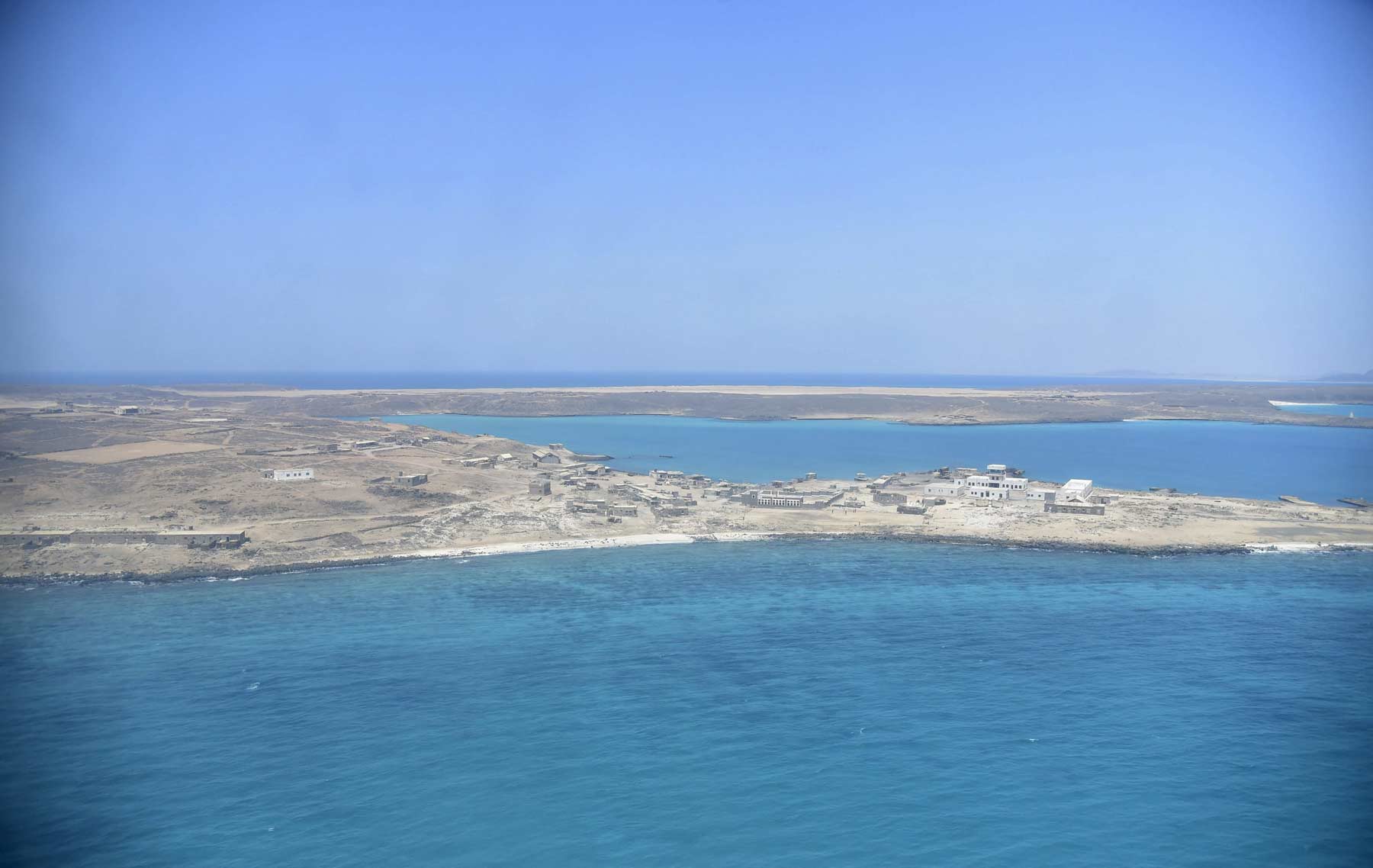
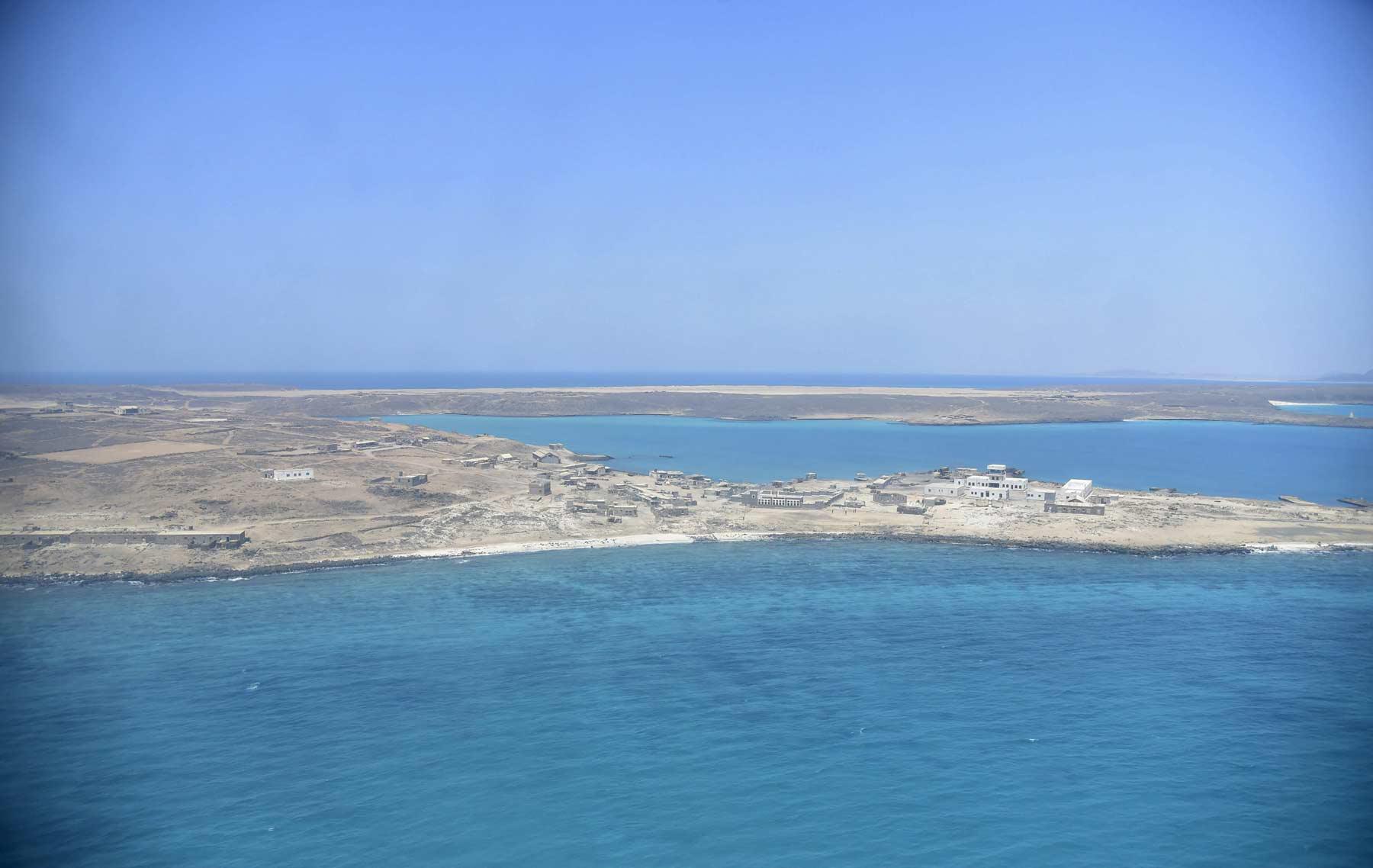
Bab el-Mandeb is considered one of the world’s most important maritime corridors, linking the Gulf of Aden to the Red Sea and serving as a critical gateway for Gulf oil exports and Asian goods heading towards Europe through the Suez Canal. Any disruption to navigation there would threaten not only energy supplies but also global trade and already fragile supply chains at a time of slowing economic growth in several major economies.
Iran appears acutely aware that simultaneous instability in both the Strait of Hormuz and Bab el-Mandeb would place the world before an unprecedented energy crisis. Around one-fifth of global oil passes through Hormuz, while Bab el-Mandeb serves as a complementary artery connecting eastern and western trade routes.
Tehran is therefore seeking to construct a deterrence strategy based on the threat of choking the world’s principal maritime trade corridors, dramatically increasing the potential cost of any military confrontation against it.
Nami’s remarks indicate that Iran increasingly views strategic waterways not merely as defensive positions, but as instruments of geopolitical leverage. He stressed the importance of Hormuz, Malacca and Bab el-Mandeb in “guaranteeing global energy security,” warning that any change to their status would have direct consequences for international security and oil markets.
The rhetoric highlights a notable shift in Iranian strategic thinking, broadening deterrence from the military sphere into the global economic arena. Rather than relying solely on missiles or regional proxies, Tehran is attempting to convince its adversaries that war against Iran would trigger an international economic crisis affecting the entire global system.
The escalation in rhetoric comes alongside warnings from Iran’s Revolutionary Guards that the country “has not yet used all of its capabilities,” threatening that any new US attack would ignite a conflict extending beyond the region and striking targets “beyond imagination.”
The language reflects mounting tensions between Tehran and Washington, particularly after US President Donald Trump said he had been “one hour away” from resuming military operations against Iran before stepping back.
Although both sides continue to avoid sliding into full-scale war, military and political indicators suggest the current ceasefire remains highly fragile and vulnerable to collapse at any moment amid ongoing indirect confrontations and sustained economic and military pressure.
Within that context, Iran appears to be pursuing a “brinkmanship” strategy, raising threats to the highest possible level in an effort to force the United States and Israel to recalculate their positions. At the same time, Tehran understands that using maritime chokepoints as leverage could provoke harsher Western responses because of the enormous strategic importance of these waterways to the global economy.
Expanding the threat to Bab el-Mandeb also places additional security pressures on Arab and African states bordering the Red Sea, particularly Egypt, Saudi Arabia and countries in the Horn of Africa that rely heavily on stable maritime trade and shipping routes.
Observers say Tehran is trying to cement a new equation: that any war against Iran would not remain confined to its borders or even to the Gulf, but would instead evolve into an open confrontation threatening global trade, energy supplies and the wider international economy.
However, the strategy also carries major risks for Iran itself. Disrupting international shipping could accelerate the formation of broader naval and military coalitions against Tehran and provide Washington with additional justification to tighten economic and military pressure.
Against this backdrop, the region appears to be entering an extremely delicate phase in which military calculations intersect directly with energy security, global trade and strategic maritime routes. While diplomatic efforts continue to prevent a broader explosion, Iran is simultaneously sending increasingly explicit signals that it is prepared to use all of its strategic leverage if it believes its influence or survival is under threat.