

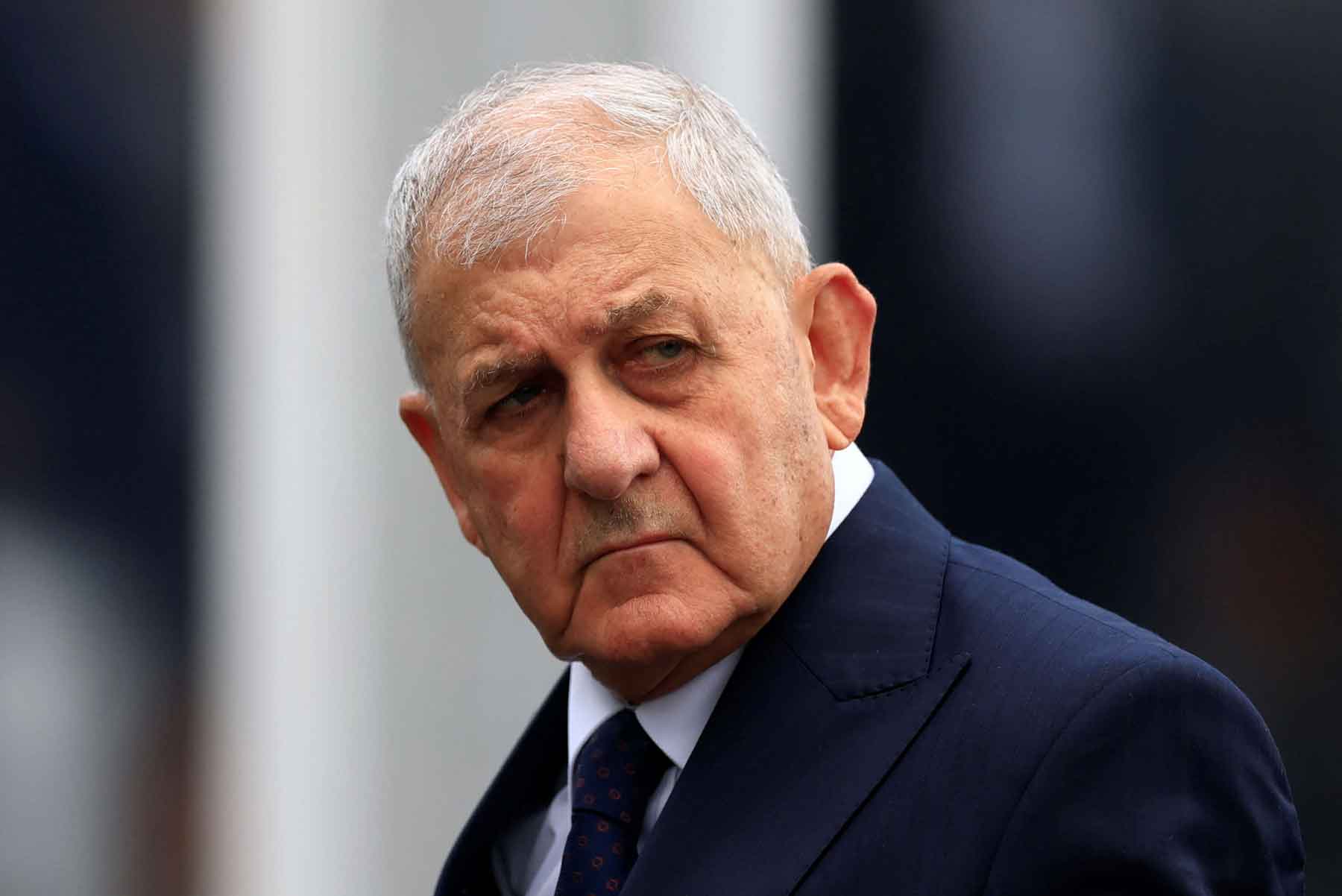
Iraq’s President Abdul Latif Jamal Rashid arrives to attend the third United Nations Ocean Conference (UNOC3 in Nice, France, June 9, 2025.
Iraq’s presidency warns against misinformation amid key transition
The dispute emerges amid a delicate political period in Iraq, as consultations intensify over the formation of the next government.
Friday 02/01/2026
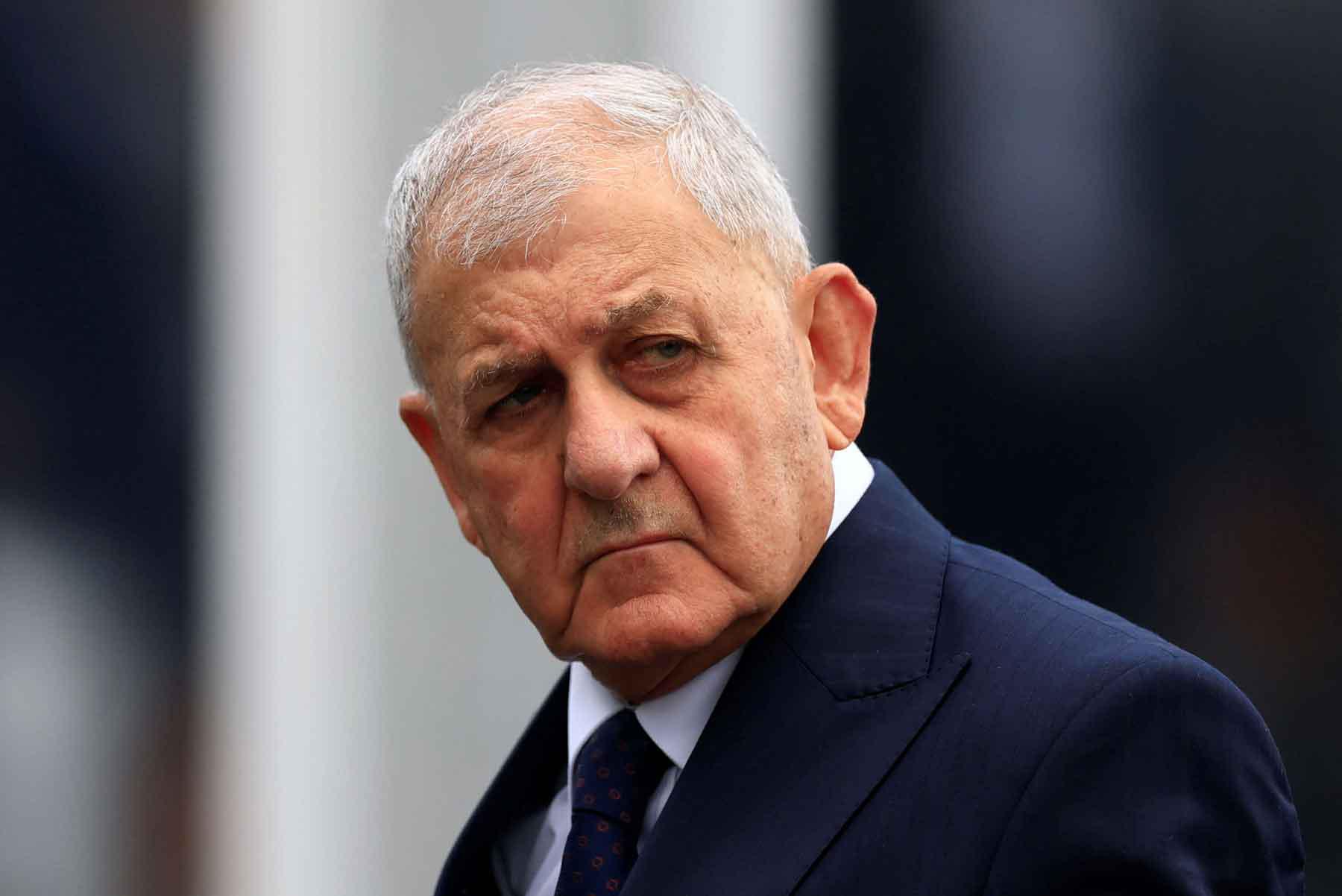
Iraq’s President Abdul Latif Jamal Rashid arrives to attend the third United Nations Ocean Conference (UNOC3 in Nice, France, June 9, 2025.
BAGHDAD –
The Iraqi presidency has firmly rejected widely circulated social media reports claiming that President Abdul Latif Jamal Rashid receives an exceptionally high pension, describing the allegations as deliberate attempts to mislead the public at a politically sensitive moment.
In an official statement released on Thursday, the presidency categorically denied that any such pension arrangement exists, branding the circulated posts as “entirely fabricated.” The statement emphasised that neither the president nor any official body under the presidency had issued the claims, which falsely suggested the president expressed gratitude to the Ministry of Finance for granting him a monthly pension of 90 million Iraqi dinars.
“These claims are completely baseless and are part of an orchestrated campaign aimed at undermining the president and state institutions,” the statement read. “They seek to stir public opinion by spreading falsehoods with malicious intent.”
The presidency further cautioned the public and media outlets against sharing unverified information, urging reliance on official sources. It warned that legal action could be taken against those responsible for fabricating and disseminating such misinformation.
The dispute emerges amid a delicate political period in Iraq, as consultations intensify over the formation of the next government and debates continue over the mechanism for electing the president. The timing of the misleading reports, observers note, gives them a distinctly political dimension beyond mere media sensationalism.
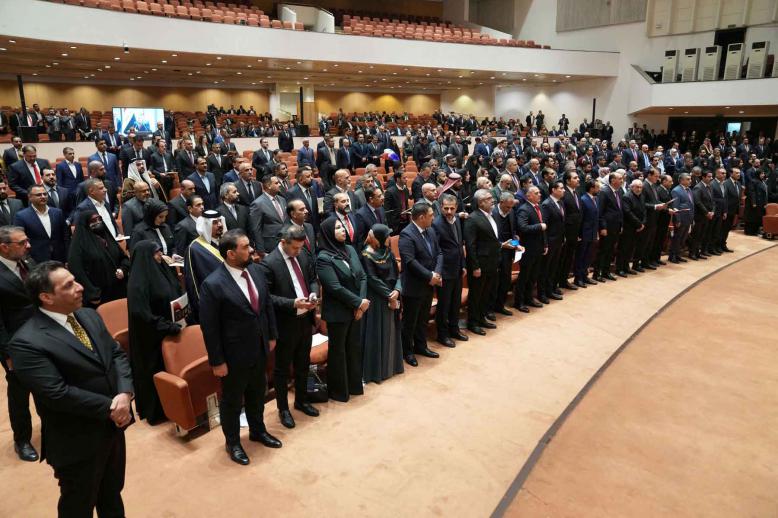
On Wednesday, the Iraqi parliament opened nominations for the presidency, a step intended to advance one of the country’s key constitutional milestones. Lawmakers allowed only three days for submissions, signalling a formal adherence to constitutional procedures, despite recognising that political consensus could take considerably longer to achieve.
Political analysts caution that opening nominations does not necessarily indicate an imminent appointment. Instead, it represents a procedural step preceding complex negotiations among Iraq’s diverse political factions. While largely ceremonial, the presidency remains a crucial pillar in Iraq’s power-sharing framework, particularly under the convention that the office has been reserved for a Kurdish leader since 2005.
Constitutionally, the president must be elected within thirty days of the first parliamentary session following the election of the Council’s leadership. Yet, Iraq’s political history demonstrates that these deadlines are often delayed due to disagreements both within Kurdish blocs and among broader Shia and Sunni factions, tying the presidential selection to wider negotiations over the formation of the next government.
The process carries additional significance as it paves the way for the largest parliamentary bloc to be tasked with forming a new cabinet, a notoriously protracted and complex process in Iraq’s consociational system, shaped by political quotas and overlapping domestic and regional interests.
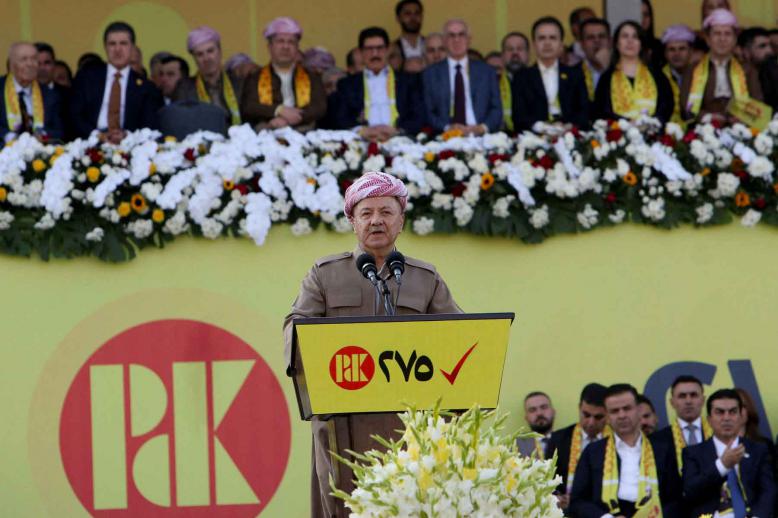
Earlier this week, Kurdish leader Masoud Barzani called for a review of the presidential selection mechanism, advocating for a departure from traditional party monopolies between the Kurdistan Democratic Party and the Patriotic Union of Kurdistan. He suggested choosing a candidate with broad support across Kurdish factions to foster political stability and prevent further deadlock in Baghdad.
As Iraq navigates these politically-charged weeks, the presidency’s strong rebuke of misinformation underscores the high stakes of political messaging and the sensitivity surrounding key leadership transitions.