

Under pressure
ISIS steps up Syria attacks amid mounting security challenges
Recent attacks have focused on military patrols, security checkpoints, government transport vehicles and individual officials.
Thursday 18/06/2026
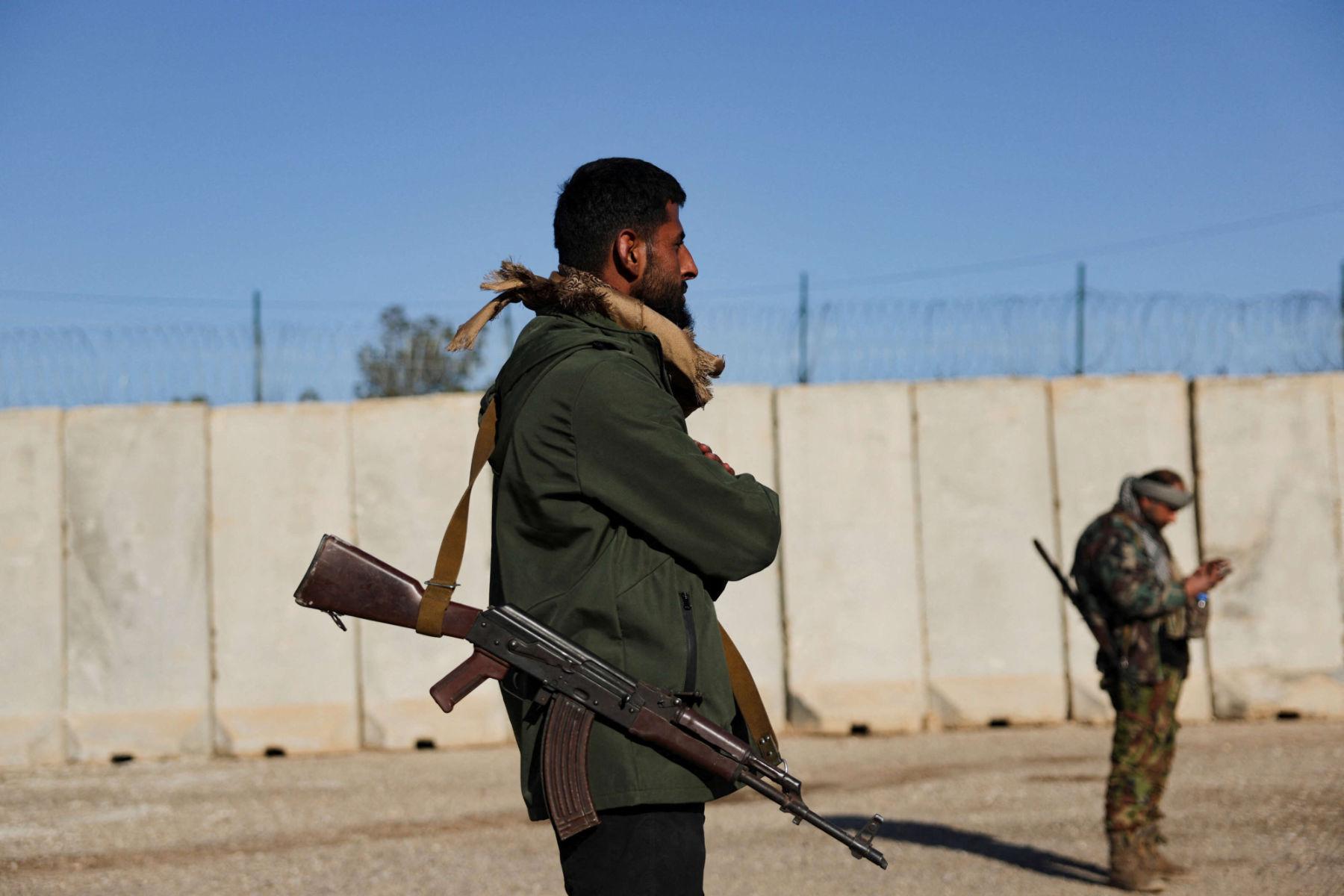
Under pressure
HASAKAH, Syria – Islamic State militants are intensifying attacks across Syria, targeting security personnel and government institutions in what analysts say is an effort to exploit the country's fragile transition and demonstrate the group's continued relevance despite years of military setbacks.
The latest attack came before dawn on Thursday when a bus belonging to Syria's Ministry of Defence was ambushed on the road linking Tel Tamr and Ras al-Ain in Hasakah province, northeastern Syria. Initial reports indicated that around 10 soldiers were wounded.
The assault followed a suicide attack in Raqqa earlier this week that killed a member of Syria's Internal Security Forces and wounded three others.
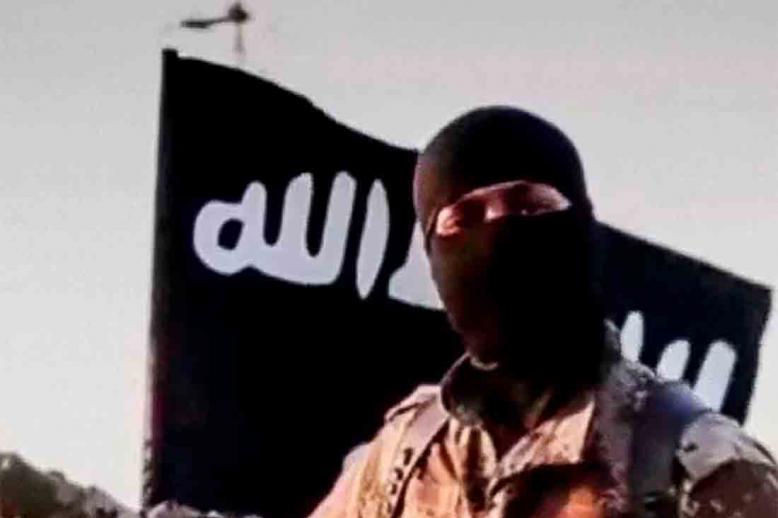
Islamic State (ISIS) later claimed responsibility for that operation, describing it as a bold attack against a heavily fortified security compound.
In a statement circulated through its media channels, the group said two militants had breached the facility's main entrance and engaged security personnel at close range before being killed.
The organisation also claimed responsibility on Wednesday for an attack targeting the head of the Palace of Justice department in the town of Babila, south of Damascus.
According to Syrian state media, an improvised explosive device attached to his vehicle detonated in the nearby Daf al-Shok district, leaving him injured.
The attacks underline growing concerns that Islamic State is attempting to rebuild its operational capabilities at a time when Syria remains focused on stabilisation efforts following years of conflict and political upheaval.
Shift to guerrilla warfare
Security analysts say the group is increasingly relying on guerrilla-style tactics rather than attempting to seize and hold territory as it did during the height of its self-declared caliphate.
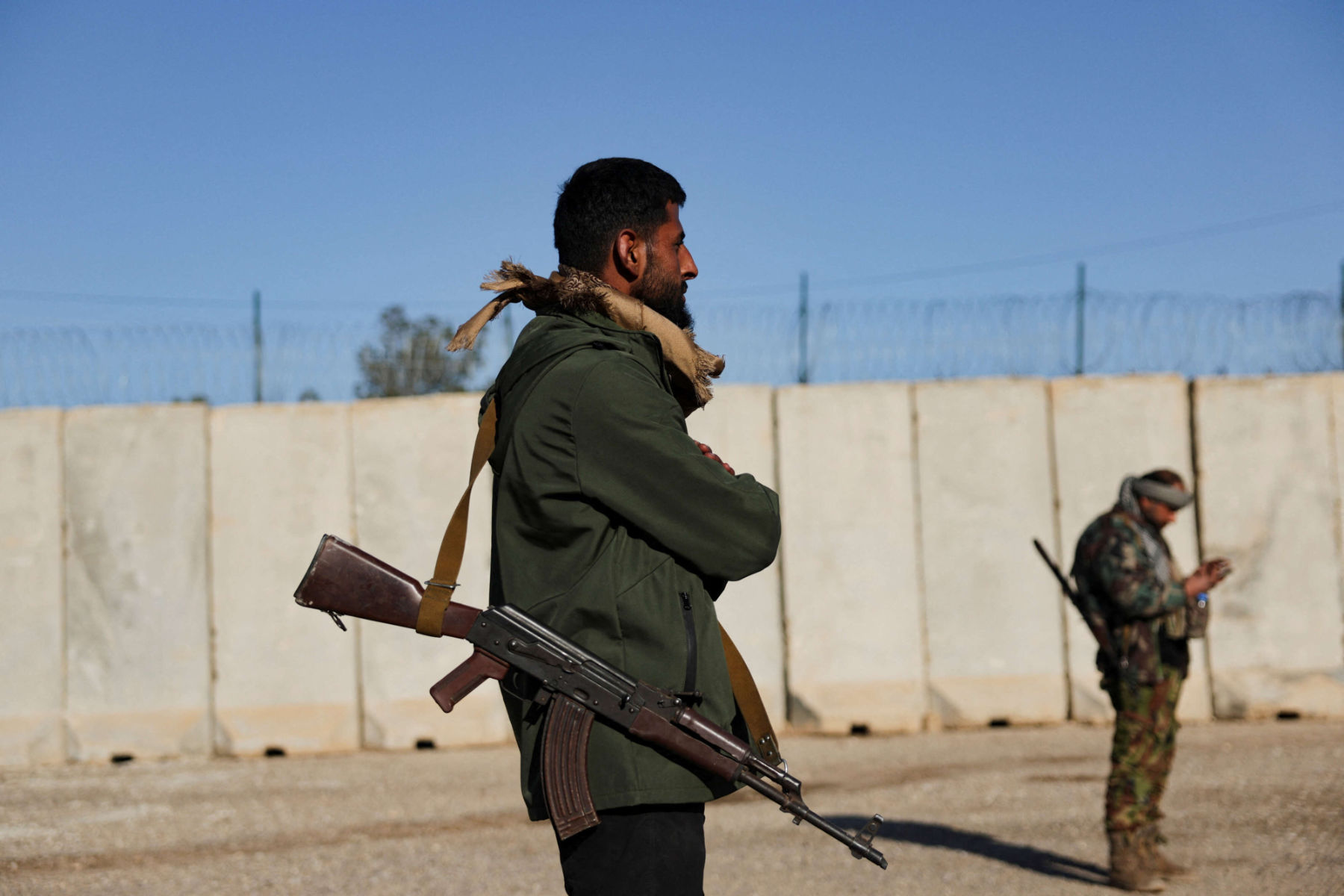
Recent attacks have focused on military patrols, security checkpoints, government transport vehicles and individual officials, particularly in the northeastern provinces of Raqqa and Deir Ez-Zor.
"The organisation is seeking to demonstrate that it remains capable of striking sensitive security targets despite suffering major defeats over the past decade," one regional security analyst said.
The strategy mirrors Islamic State's insurgency tactics in Iraq after the collapse of its territorial control there, allowing small cells to conduct high-profile operations with limited resources while generating significant publicity.
Exploiting Syria's vulnerabilities
Observers say the group is benefiting from a combination of security, political and economic pressures facing Syria.
The country remains burdened by economic hardship, institutional restructuring and ongoing efforts to integrate former rival military forces into a unified national framework.
Islamic State is believed to be exploiting gaps created by these transitions, particularly in vast desert and rural regions where government control remains difficult to enforce.
The attacks also come as Syria seeks to attract foreign investment and rehabilitate key energy infrastructure, including oil and gas facilities in the Euphrates River valley and eastern provinces.
Damascus has recently promoted new investment opportunities, including agreements involving international energy companies, as part of broader reconstruction efforts.
Despite intensified security operations, Syrian authorities acknowledge that Islamic State remains capable of carrying out deadly attacks.
Government security agencies recently announced the arrest of 235 individuals linked to the organisation and the dismantling of seven militant cells across several provinces.
Officials say those operations reflect the scale of efforts being devoted to preventing the group from re-establishing itself.
Yet the continuing attacks suggest that dormant ISIS networks retain the ability to plan and execute operations.
In February, four members of Syria's Internal Security Forces were killed and two others wounded when militants attacked the Sabahiya checkpoint west of Raqqa. Islamic State later claimed responsibility.
In May, two security personnel were injured when gunmen riding a motorcycle opened fire on their patrol in Raqqa.
Ideological campaign
Alongside its military operations, Islamic State continues to wage an ideological campaign against Syria's government.
The group routinely accuses Damascus of serving Western interests and abandoning what it describes as Islamic governance, themes that feature prominently in its propaganda and recruitment efforts.
Analysts believe the organisation hopes to exploit any signs of instability, local grievances or security vacuums as Syria attempts to consolidate control over territories reclaimed from various armed groups.
While few expect Islamic State to regain the territorial dominance it once enjoyed, security experts warn that its insurgency remains a significant threat.
"The challenge facing Syria is no longer the return of a caliphate," one analyst said. "It is preventing ISIS from sustaining a long-term insurgency capable of undermining security and confidence in state institutions."
As Damascus presses ahead with efforts to rebuild the country and strengthen its security apparatus, countering Islamic State's evolving tactics is likely to remain one of the most pressing challenges confronting Syria's fragile recovery.