



Almost completely paralysed
Israel’s strategic Eilat port hit by historic crisis after Houthi campaign
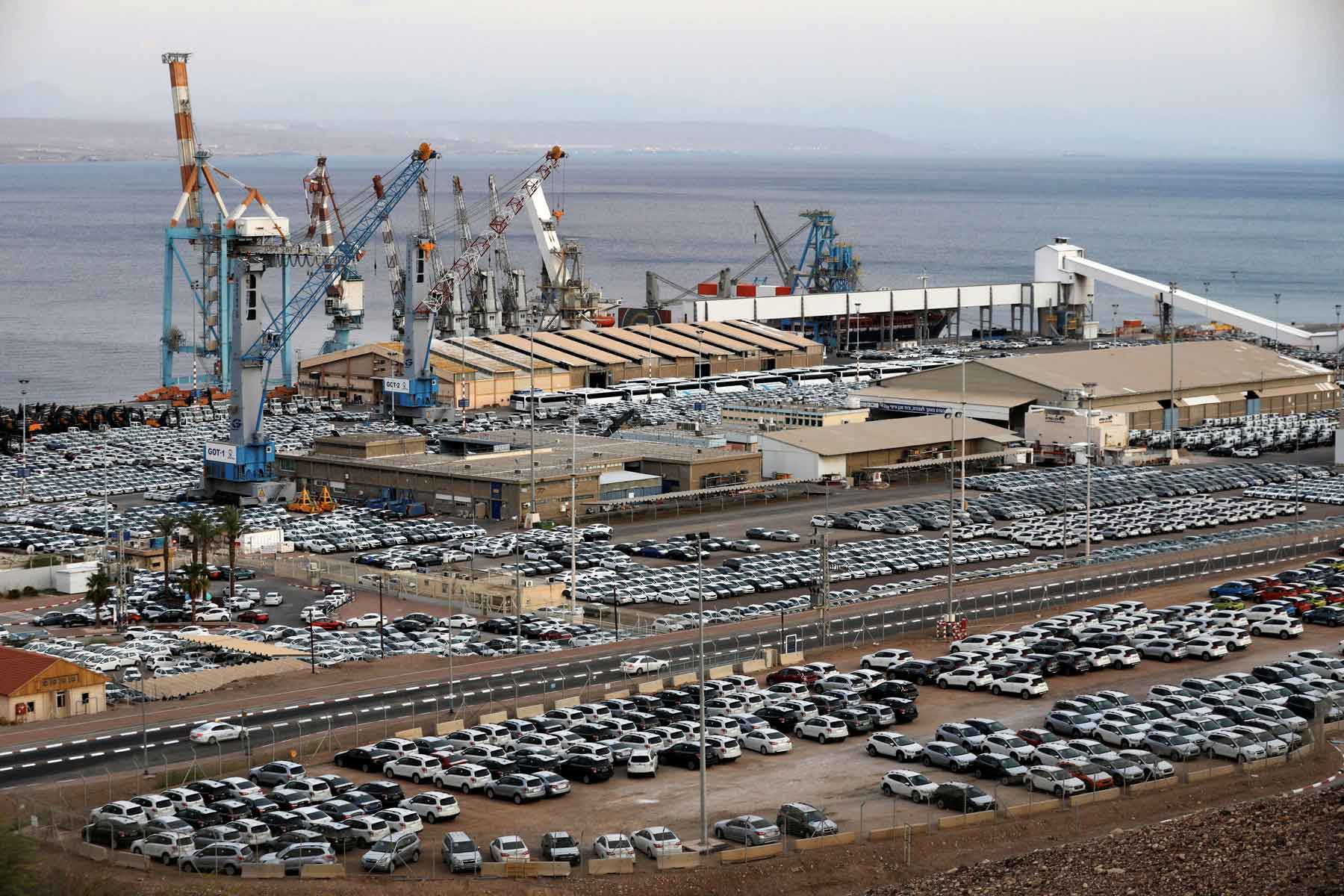
Revenues at Eilat port have collapsed to almost zero following more than two years of disruption linked to the Houthis’ missile and drone campaign against Israel.
Tuesday 13/01/2026
Almost completely paralysed
JERUSALEM –
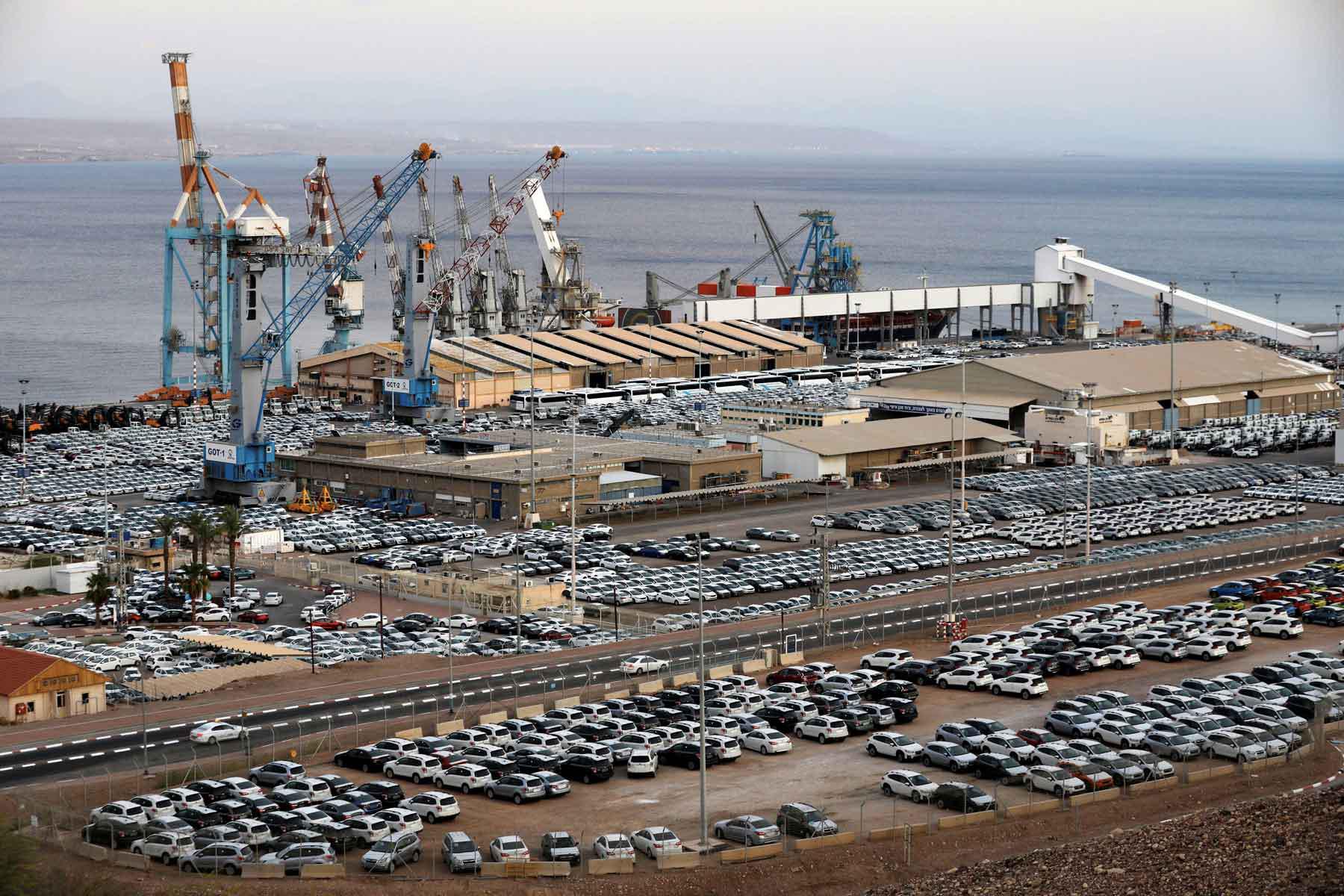
Israel’s southern port of Eilat, long regarded as a strategic gateway on the Red Sea, has been plunged into what Israeli media describe as the worst crisis in its history, after sustained attacks by Yemen’s Houthi movement brought shipping traffic to a near standstill.
According to the Hebrew daily Yedioth Ahronoth, revenues at Eilat port have collapsed to almost zero following more than two years of disruption linked to the Houthis’ missile and drone campaign against Israel and Israeli-linked shipping in the Red Sea.
The newspaper said the port, once a vital commercial and strategic asset, is now “almost completely paralysed,” with dock workers arriving each morning to find empty berths and no vessels to service.
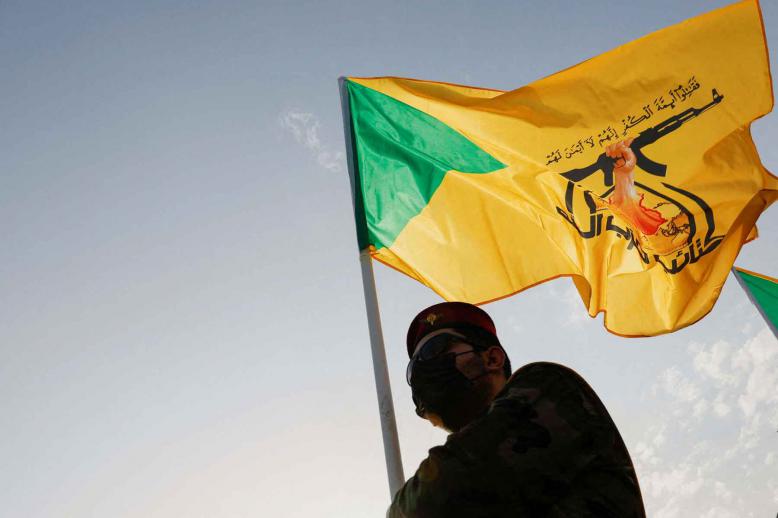
During the past two years of Israel’s war on Gaza, the Iran-aligned Houthi group has launched hundreds of missiles and drones towards Israel and repeatedly targeted ships connected to Israeli trade routes. The group also declared a maritime blockade on vessels linked to Israel, sharply reducing commercial traffic through the Red Sea.
Israel has responded with extensive air strikes on Houthi-controlled areas in Yemen, including ports such as Hodeidah and targets in several cities, among them the capital Sana’a. Despite these attacks, Israeli officials continue to view the Houthis as one of the most capable Iranian allies able to strike Israeli interests directly.
Yedioth Ahronoth reported that the prolonged disruption of Red Sea shipping lanes, combined with regional geopolitical instability, has devastated Eilat’s operations. Annual revenues that once stood at around 240 million shekels ($76bmillion) have fallen to almost nothing, while government support for the struggling port has amounted to just 15 million shekels.
Compounding the crisis, Israel’s finance and transport ministries have recently announced they will not renew the port’s operating concession, citing its failure to meet required conditions. The port’s management is now preparing a legal challenge, demanding that the state reverse the decision.
The collapse dates back to November 2023, when the Houthis seized a vessel bound for Israel, an incident that effectively froze activity at the port. The timing was particularly damaging: earlier that year, Eilat had recorded a historic peak, handling nearly 150,000 imported vehicles by October, with expectations of tens of thousands more before the end of 2023.
In the days following the Hamas-led attack on southern Israel on October 7 2023, Israeli officials had spoken of Eilat playing a supporting role for the northern ports of Haifa and Ashdod, which were then facing security concerns. Instead, the unexpected Houthi intervention reversed those calculations, shutting down Israel’s southern maritime outlet almost entirely.
The crisis at Eilat has unfolded against the backdrop of Israel’s military campaign in Gaza, launched with US backing in October 2023. The war has killed more than 71,000 Palestinians and wounded over 171,000, according to Gaza health authorities, while leaving much of the enclave’s infrastructure in ruins.
A ceasefire phase began on October 10 last year under a plan proposed by US President Donald Trump, but Israeli forces have continued daily violations, resulting in hundreds of Palestinian casualties since the truce took effect. Israel has also maintained severe restrictions on the entry of food, medicine and shelter supplies into Gaza, deepening what aid agencies describe as a catastrophic humanitarian crisis affecting roughly 2.4 million people.
As Israel grapples with mounting regional pressures, the paralysis of Eilat port underscores the broader economic and strategic impact of the Red Sea conflict, highlighting how the Houthis’ campaign has extended the consequences of the Gaza war far beyond the battlefield.