

Strong ties
Israel-Azerbaijan relations expand amid Iran, Turkey concerns
Israel’s move is widely seen as a potential provocation for both Turkey and Iran, given the geopolitical sensitivities of the South Caucasus.
Monday 26/01/2026
Strong ties
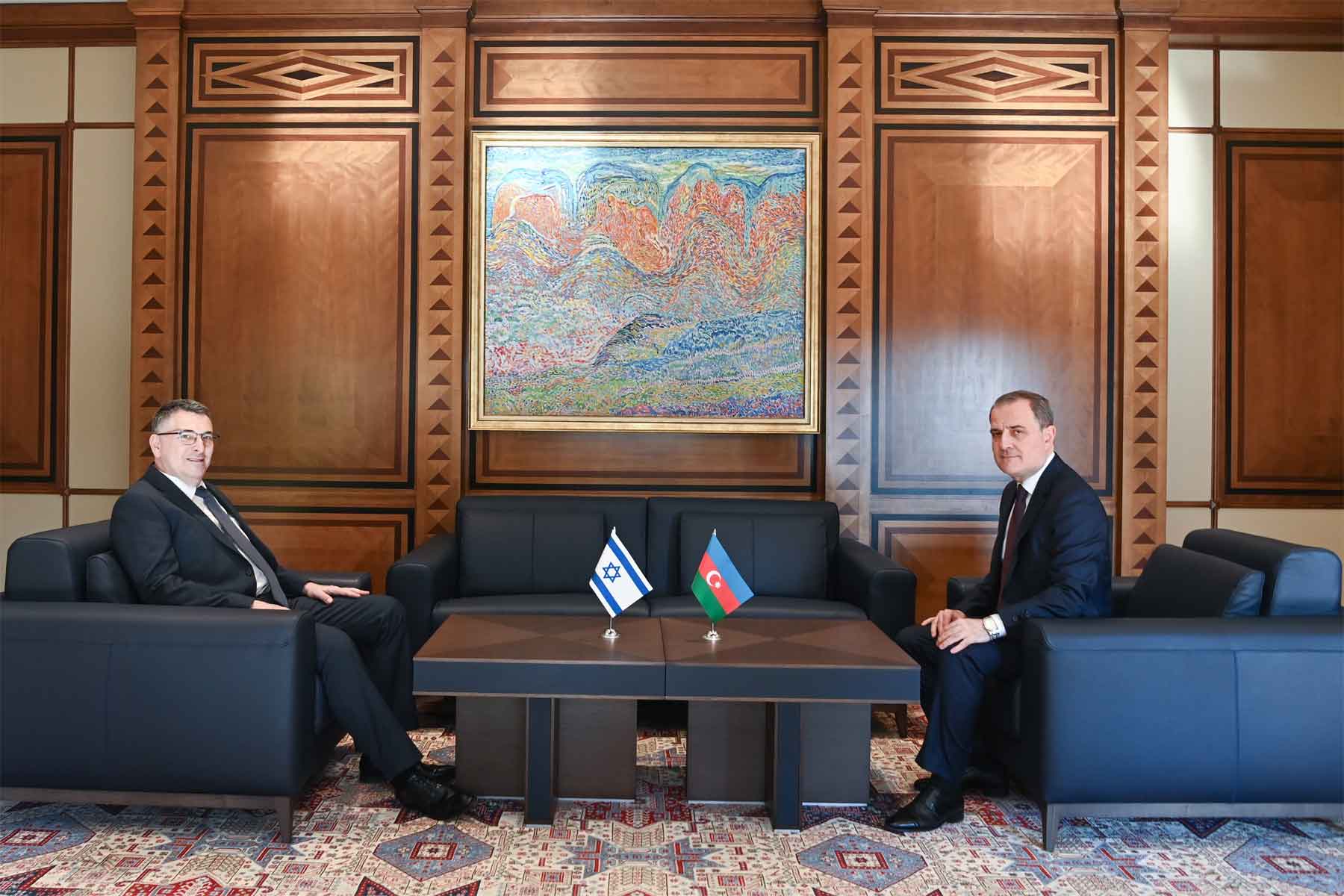
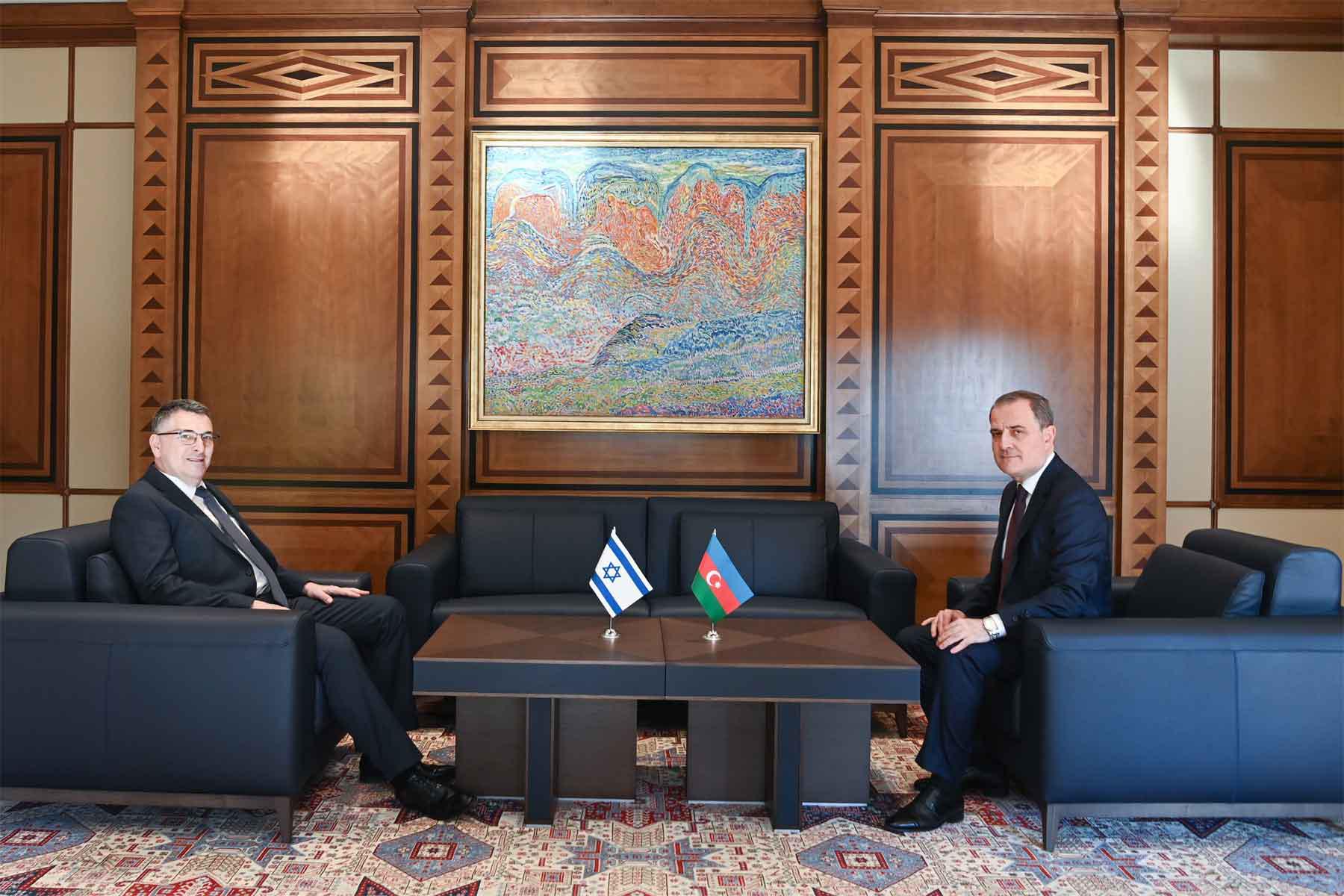
BAKU – Israeli Foreign Minister Gideon Sa’ar announced on Monday that Tel Aviv is seeking to consolidate its strategic partnership with Azerbaijan, enhancing cooperation across energy, defence, agriculture, tourism and technology sectors. The move is widely seen as a potential provocation for both Turkey and Iran, given the geopolitical sensitivities of the South Caucasus.
Speaking after a meeting with Azerbaijani President Ilham Aliyev in Baku, Sa’ar described Aliyev as “a visionary leader guiding his nation to remarkable achievements,” adding that he had “held a productive meeting in Baku and thanked the president for his friendship and support for the Jewish community in Azerbaijan.”
Sa’ar travelled to Baku with a high-level business and economic delegation, representing Israeli companies and organisations across multiple sectors.
“Our joint goal is to strengthen partnerships in energy, defence, water, agriculture, tourism and more. We are working to consolidate our strategic relations,” he said.
Azerbaijani officials confirmed that President Aliyev and Sa’ar discussed expanding cooperation in agriculture, water management, advanced technologies and artificial intelligence. Azerbaijani Foreign Minister Jeyhun Bayramov and Economy Minister Mikayil Jabbarov also attended the meeting.
“Since the establishment of diplomatic relations over 30 years ago, our friendship has grown into a solid strategic relationship that benefits both our countries economically,” Sa’ar told a news conference with Bayramov. He noted that relations had strengthened particularly since Azerbaijan opened its embassy in Israel three years ago.
Trade between the two nations rose by nearly 50 percent between 2024 and 2025, reaching over $360 million last year.
“There are 20 weekly flights, and 60,000 Israeli tourists visited Azerbaijan in 2025. I believe we can significantly increase that number in 2026,” Sa’ar said. He added that Israel sought to invest in Azerbaijan and share technological expertise, highlighting energy cooperation in particular, citing SOCAR’s 10 percent stake in Israel’s Tamar gas field.
The visit follows recent high-level talks between the two countries’ leaders at Davos, which laid the groundwork for deepening bilateral economic, political, and defence cooperation.
“Israel and Azerbaijan are pillars of stability in our regions, with advanced economies,” Sa’ar wrote on X (formerly Twitter), emphasising the strategic and economic significance of the partnership.
Azerbaijani Foreign Minister Bayramov described the relationship as “steadily improving” and “strategically significant,” noting that regular political consultations occur between the two foreign ministries, alongside intergovernmental and interparliamentary cooperation. He highlighted opportunities in private-sector engagement, investment and tourism, noting that the number of Israeli visitors doubled in 2025.
The expansion of Israeli influence in Azerbaijan is viewed as a strategic challenge for Iran, given the countries’ geographic proximity and the potential for enhanced intelligence and military coordination. For Turkey, which considers Azerbaijan a key partner in the Caucasus and Central Asia, Israel’s deepening presence in Baku could reduce Ankara’s regional influence and complicate its traditional balancing role.
Sa’ar is scheduled to continue his regional tour in Kazakhstan, where he will meet President Kassym-Jomart Tokayev, Foreign Minister Yermek Kosherbayev, and other senior officials. The trip forms part of Israel’s broader efforts to restore international ties following global criticism of its military operations in Gaza.