

Round 2?
Israel braces for uncertain days as US, Iran play diplomatic chess
In Tel Aviv, there is a prevailing belief that a US military option remains on the table, with Washington reportedly seeking the “golden timing” to act.
Thursday 22/01/2026
Round 2?
JERUSALEM – Israel has declared a state of maximum alert, placing all combat and defensive formations on “immediate readiness,” the Israeli Air Force chief Tomer Bar confirmed during an inspection of an Iron Dome missile battery at a strategic site.
The Israeli military issued a statement detailing that Bar reviewed the readiness of soldiers and toured the command centre managing interceptions. He emphasised the importance of maintaining rapid preparedness across a variety of scenarios within the nation’s air defence systems.
In Tel Aviv, there is a prevailing belief that a US military option remains on the table, with Washington reportedly seeking the “golden timing” to act. Channel 12 reported that the Israeli army is maintaining an extremely high level of vigilance, operating under the assumption that the coming days could prove pivotal in shaping the region’s future.
Air Force readiness and lessons from past operations
Addressing troops, Bar said, “Since the beginning of the war, the air defence system of the Air Force, with all its weapon systems, has intercepted tens of thousands of threats targeting the State of Israel from various battlefronts.”
He added, “At all times, we are required to be ready for surprises. Our responsibility is to reduce damage to the Israeli home front as much as possible. We will do everything in our power to defend, even knowing that no harm can be entirely ruled out.”
Bar highlighted Israel’s offensive capabilities, noting that the air force has a “lethal arm capable of operating deep in enemy territory,” and that the entire force remains in a state of full readiness.
Reflecting on last year’s operations against Iran, he said, “We have learned and drawn lessons from Operation Ascending Lion, and today we are stronger than we were.” Addressing the troops directly, he said, “You are on alert 24 hours a day, all year round, in full readiness.”
Lieutenant General Eyal Zamir, Israel Defence Forces (IDF) Chief of Staff, reiterated the military’s preparedness during a visit to Nevatim Airbase in southern Israel.
Speaking to pilots and air personnel, Zamir said, “We will know how to strike powerfully in any arena against any enemy that threatens the security of the State of Israel.” The base houses the IAF’s F-35I stealth fighters, which this week welcomed three additional aircraft, bringing the fleet to 48.
Zamir praised the operational experience gained during June’s 12-day conflict with Iran, describing it as “unparalleled anywhere in the world,” and affirmed that the lessons learned are being integrated into ongoing military planning.
“We are prepared for various scenarios and continuously improve our capabilities to achieve victory in the overall campaign against our enemies. This is our responsibility and our mission,” he said.
At a separate visit to the Home Front Command, Zamir emphasised the army’s preparedness for “multifront threats,” a clear reference to Iran.
He said, “The command is competent, trained, and on high alert. It is prepared at all times to employ a wide range of capabilities to contend with an attack on the civilian home front and to save lives. At the same time, the IDF is prepared to employ an offensive capability unprecedented in its power against any attempt to harm the State of Israel.”
US-Iran dynamics and regional pressure
These Israeli statements come amid heightened US-Israel pressure on Tehran following widespread protests in Iran that began in late December over deteriorating economic and living conditions.
The US-based Human Rights Activists News Agency reports that at least 4,519 people have been killed during the unrest, the deadliest wave of protest in decades, rivalling the turmoil surrounding the 1979 revolution. More than 26,300 people have been arrested, with fears growing over potential executions of detainees.
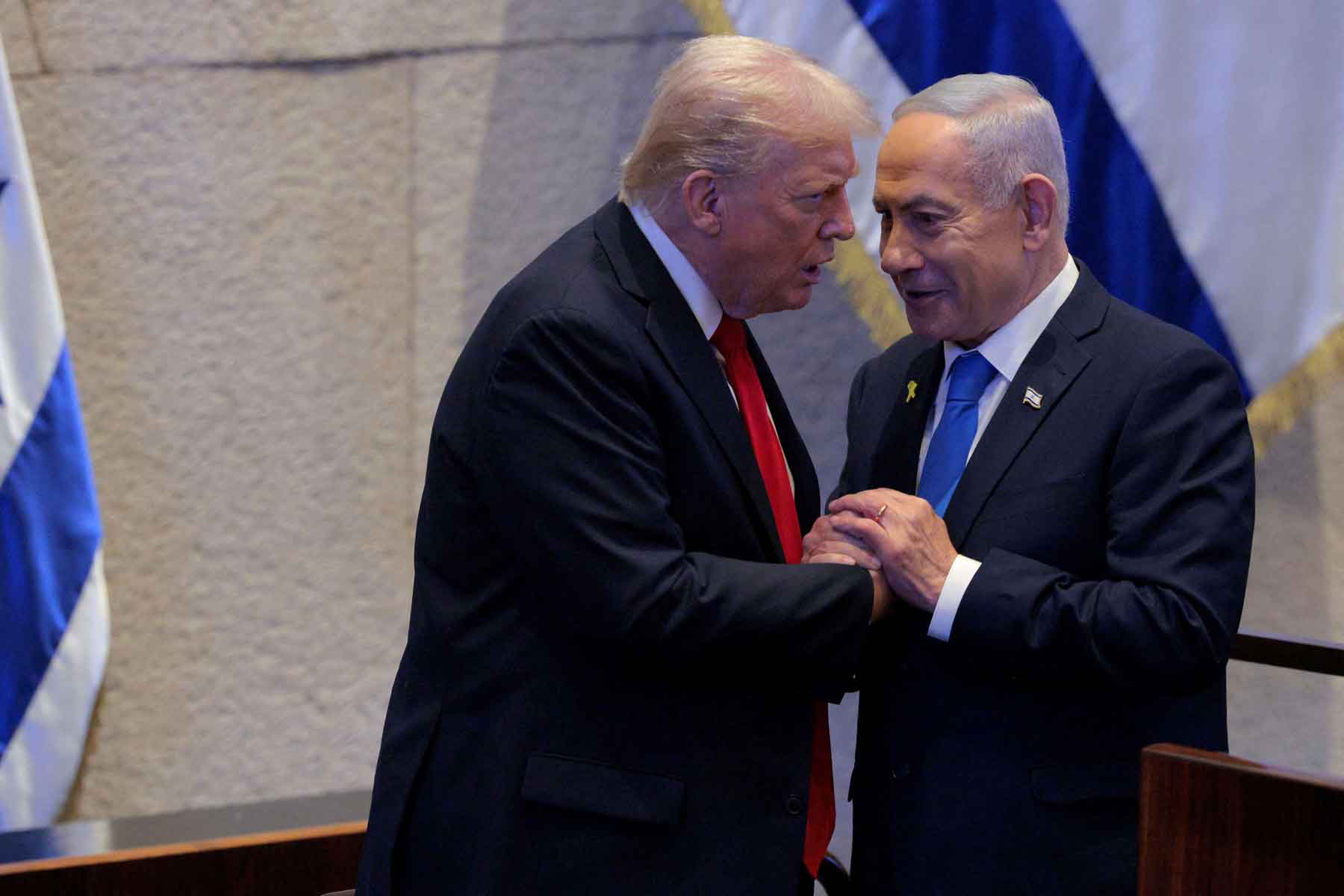
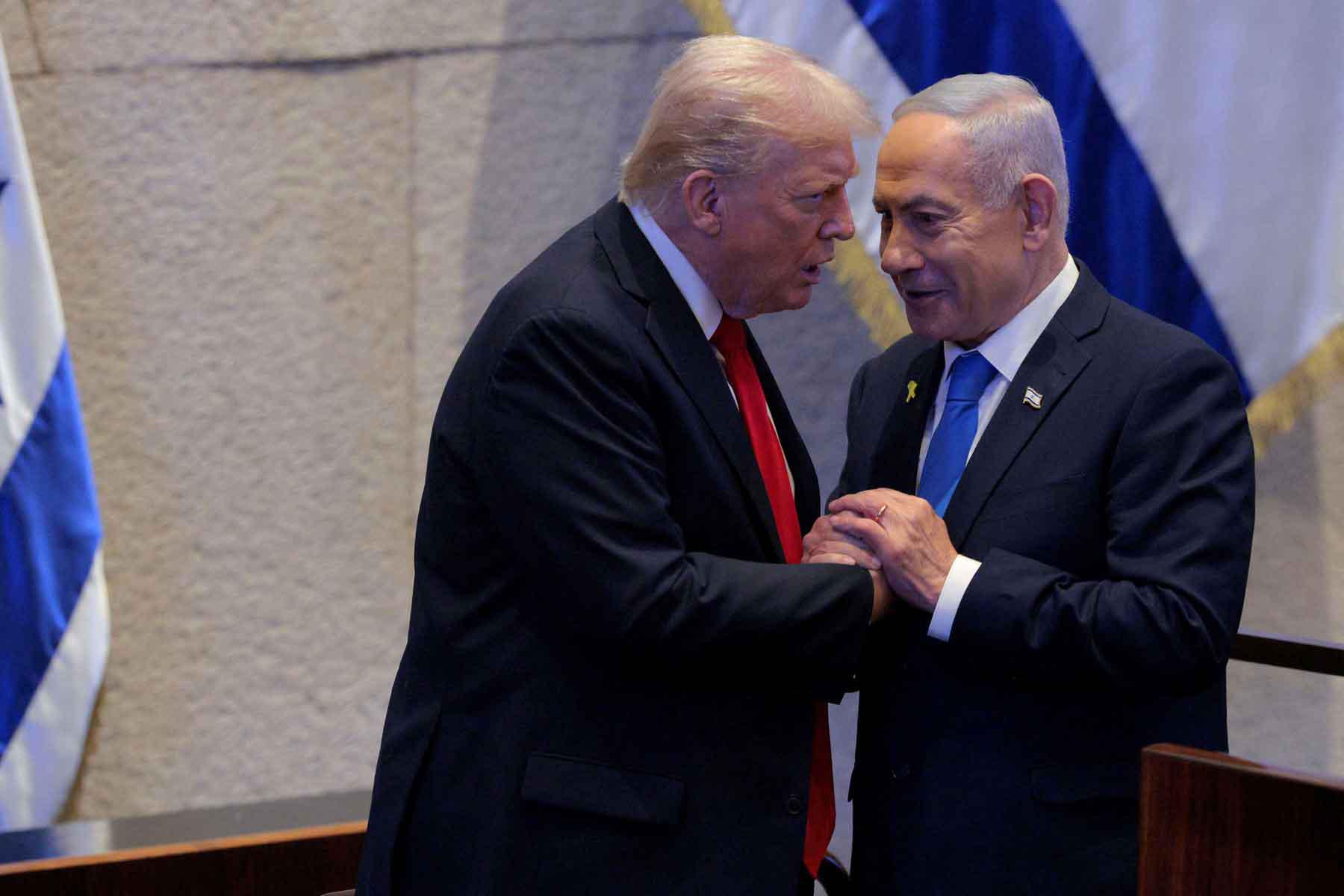
US President Donald Trump had previously threatened military strikes against Iran if authorities harmed protesters, although he later indicated that the immediate threat had been averted.
According to Axios, Trump had been ready to order an attack before a White House meeting on Iran last Tuesday, but logistical hurdles and concerns from regional allies prompted a pause.
Israeli Prime Minister Benjamin Netanyahu reportedly informed Trump that Israel was not prepared for a possible Iranian retaliation and questioned the strength of the proposed US plan.
Iran has accused Washington of exploiting sanctions, unrest and destabilising actions to justify military intervention and regime change, further escalating tensions.
Supreme Leader Ayatollah Ali Khamenei stated that several thousand people had died during the protests, blaming the United States for the unrest.
Regional implications and travel advisories
While fears of imminent conflict have eased slightly, the UK Foreign Office adjusted its travel advisory for Israel on Wednesday. It lifted previous restrictions for most areas, though it continues to advise against travel within 500 metres of the Gaza border, the buffer zone separating Israel and Syria, and the Lebanon border.
Travel restrictions remain for Gaza and parts of the West Bank, including Tulkarm, Jenin, and Tubas, with essential travel advised elsewhere.
As the situation remains fluid, Israel’s military continues to maintain a posture of maximum readiness, combining defensive measures with offensive capabilities.