

Widening gap between diplomatic efforts and realities on the ground
Israel evacuations test fragile Lebanon truce as US backs army
The Lebanese army said its commander, General Rudolf Haykal, met US General Joseph Clearfield in the capital to review the security situation and broader regional developments.
Sunday 03/05/2026
Widening gap between diplomatic efforts and realities on the ground
BEIRUT – Mounting tensions in southern Lebanon have exposed the fragility of a US-backed ceasefire between Israel and the Iran-backed Hezbollah group, as Israeli evacuation warnings and continued strikes coincide with renewed diplomatic and military engagement in Beirut.
The Lebanese army said on Saturday that its commander, General Rudolf Haykal, met US General Joseph Clearfield in the capital to review the security situation and broader regional developments. Clearfield heads the international committee tasked with monitoring the ceasefire, which has struggled to fully contain hostilities along the volatile border.
According to an army statement, both sides stressed the central role of Lebanon’s armed forces in maintaining stability and underlined the need for continued international support during what was described as a critical phase for the country.
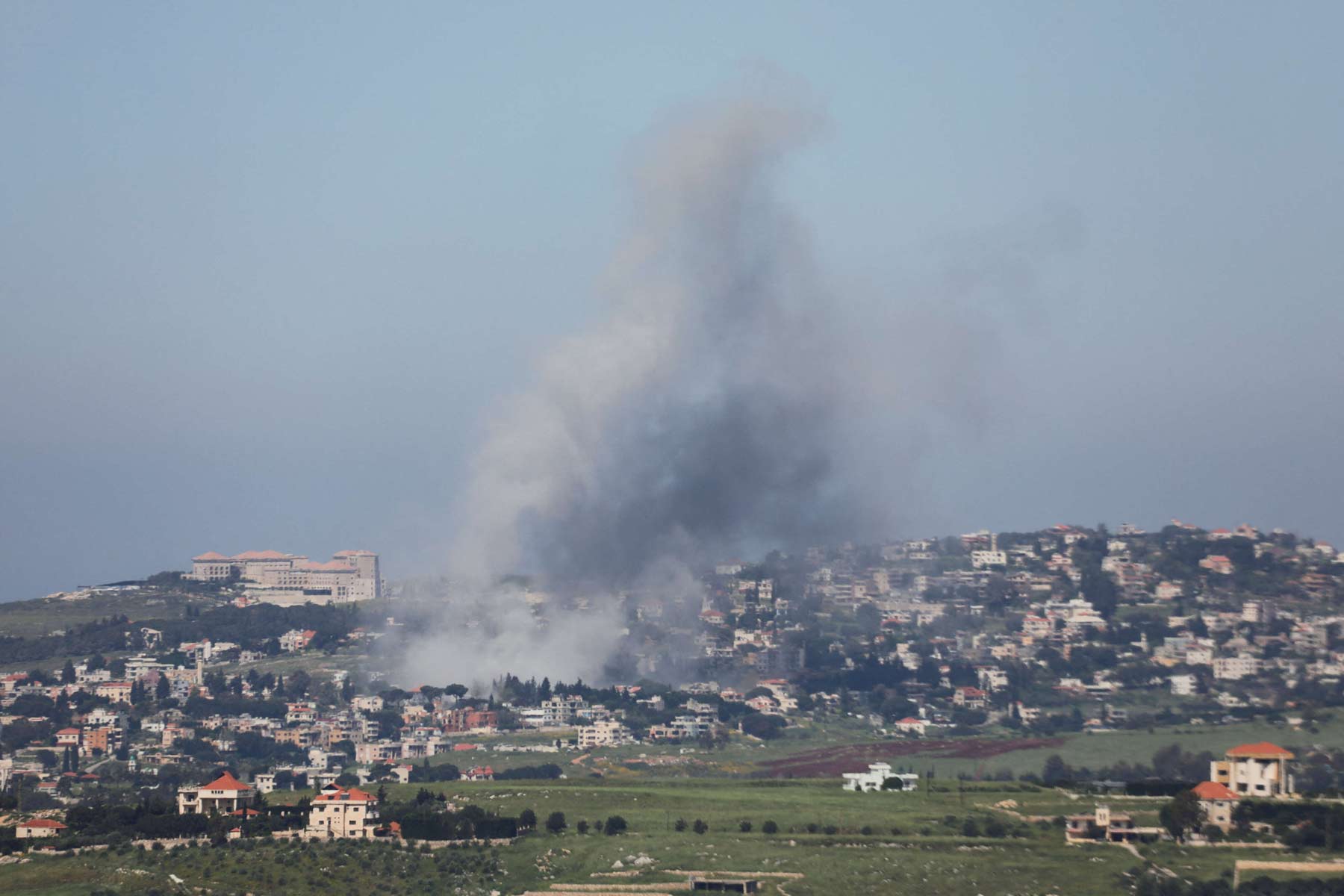
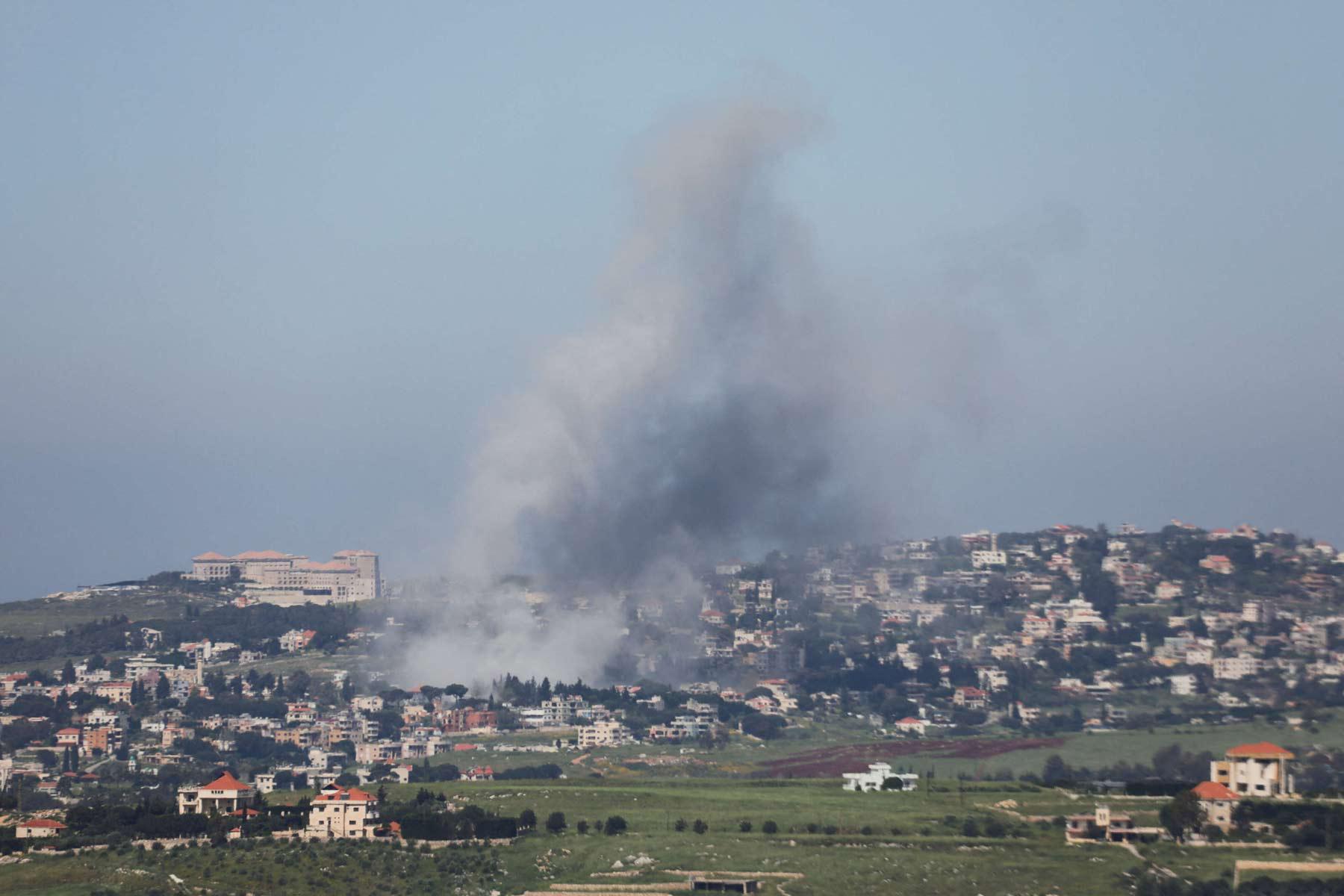
The meeting came as conditions on the ground deteriorated. On Sunday, the Israeli military issued urgent warnings to residents of 11 towns and villages in southern Lebanon, urging them to evacuate their homes and move at least one kilometre away to open areas.
Israel said it was carrying out operations against Hezbollah following what it described as violations of the ceasefire agreement, cautioning that civilians near the group’s fighters or infrastructure faced heightened risk.
Despite the truce, Israeli forces have continued to conduct air and ground strikes across southern Lebanon, where troops remain deployed in a strip of territory. The Israeli military says it is targeting infrastructure used by Hezbollah, including sites it alleges are linked to weapons storage and launch operations.
Hezbollah, for its part, has maintained drone and rocket attacks against Israeli positions in southern Lebanon and northern Israel, underscoring the persistent volatility of the front line.
The exchange of fire has raised concerns that the ceasefire, intended to prevent a broader escalation linked to the wider regional conflict, may be increasingly difficult to sustain. The situation has also placed additional pressure on Lebanon’s armed forces, which are seen by international partners as a key stabilising institution in a country grappling with political and economic crises.
The latest developments highlight the widening gap between diplomatic efforts to contain the conflict and realities on the ground, where periodic flare-ups continue to threaten a return to full-scale confrontation.