

Forward deployment
Israel expands pressure in southern Syria with killings, village raids
According to Syria's state news agency SANA, Israeli troops entered the village of Ain al-Eid, established a temporary checkpoint, searched civilians and raided a residential property.
Sunday 28/06/2026
Forward deployment
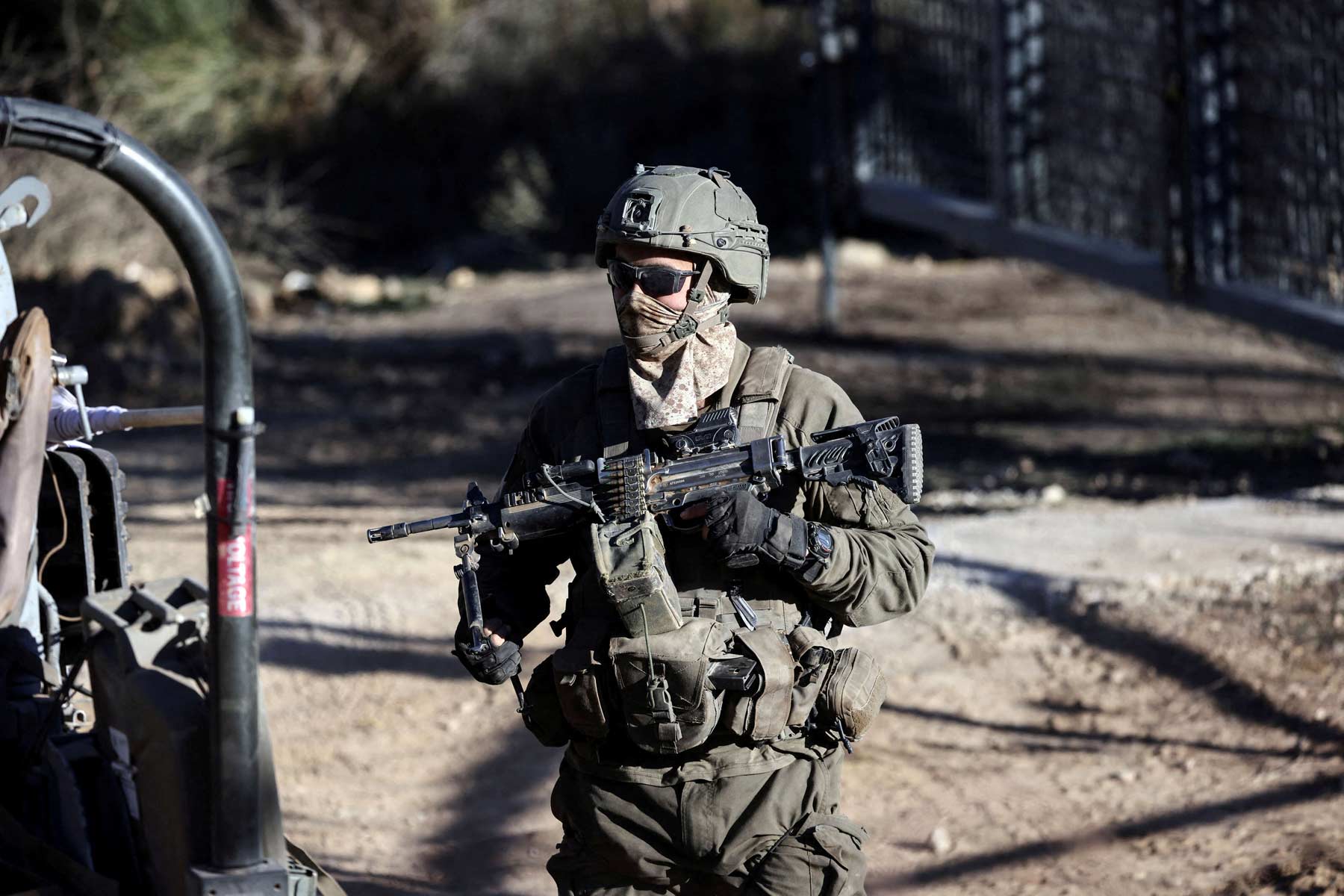
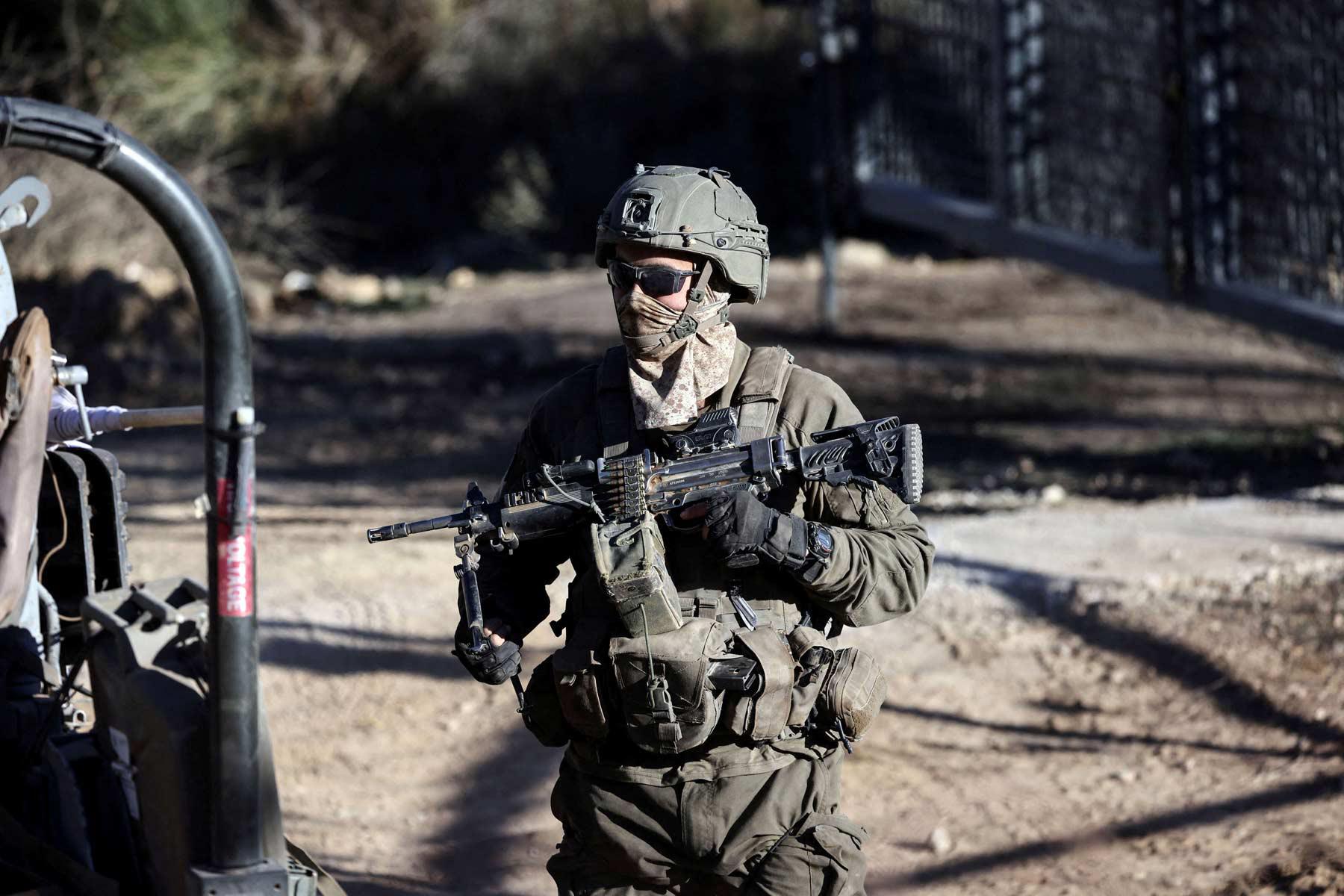
JERUSALEM/DAMASCUS – The Israeli military said on Sunday its forces killed several armed militants during an operation in southern Syria, as Israel reaffirmed its intention to maintain an open-ended military presence in territory it has occupied since late 2024 despite growing criticism from Damascus.
The Israeli military said its troops had "eliminated several armed terrorists" on Saturday inside what it describes as a security zone in southern Syria. It did not disclose the precise location of the operation or provide details on the identities or affiliations of those killed.
"The IDF will continue to operate in the area in order to remove any threat to Israeli civilians and IDF soldiers," the military said in a statement.
The announcement came as Syrian state media reported fresh Israeli incursions into villages in Quneitra province, underscoring the continuing tensions along one of the region's most sensitive frontiers despite renewed diplomatic contacts between Israel and Syria's new authorities.
According to Syria's state news agency SANA, Israeli troops entered the village of Ain al-Eid on Saturday, established a temporary checkpoint, searched civilians and raided a residential property. A separate force of four military vehicles reportedly entered the nearby village of Ain al-Ziwan on Friday, searched another home and detained a resident before withdrawing.
Syrian media say Israeli forces have carried out near-daily military operations across southern Syria in recent months, including raids, house searches, checkpoints and detentions.
Israel has maintained that such operations are necessary to prevent hostile groups from establishing positions close to its border and has repeatedly stated that its forces will continue operating inside what it calls a security zone.
Earlier this month, Israeli Defence Minister Israel Katz said Israeli troops would remain in Syria "for an unlimited period," adding that Israel also intended to maintain military deployments in Lebanon and the Gaza Strip as part of its broader regional security strategy.
Israel moved troops into the United Nations-monitored buffer zone on the Golan Heights following the collapse of former Syrian president Bashar al-Assad's government in December 2024, declaring the 1974 Disengagement Agreement with Syria no longer applicable. Syria's new authorities have repeatedly said they remain committed to the agreement.
Since then, Israel has conducted repeated air strikes and ground operations inside Syrian territory while calling for a demilitarised zone across southern Syria. The operations have caused casualties and damage to military infrastructure, according to Syrian officials.
Israel captured most of the Golan Heights during the 1967 Arab-Israeli War and later annexed the territory, a move that remains unrecognised by most of the international community.
Despite the continuing military activity, Israel and Syria's new leadership have held several rounds of direct talks in recent months and agreed to establish an intelligence-sharing mechanism as both sides cautiously explore a broader security arrangement.
The latest developments also come as regional tensions remain elevated following the recent conflict involving Israel, Iran and the United States. A fragile US-Iran ceasefire has come under increasing strain after both sides accused each other of violating a memorandum of understanding reached in mid-June through Pakistani mediation, complicating wider efforts to stabilise the region.