

Keeping the mediator in the know
Israel sends messages to Iran through Russia as tensions mount
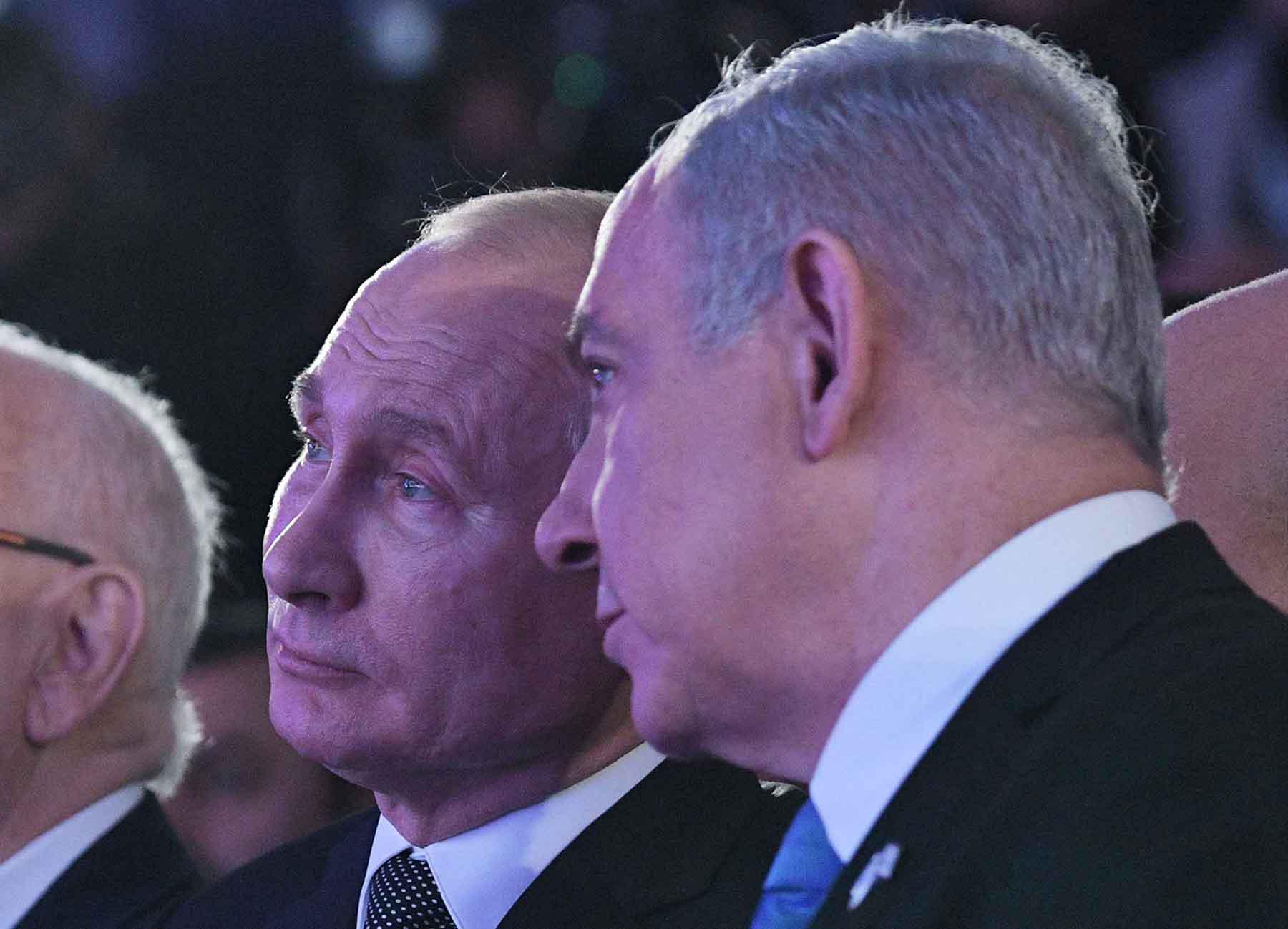
According to Israeli state media citing unnamed diplomatic sources, Netanyahu asked Putin to deliver messages emphasising Israel’s lack of intent to escalate tensions.
Tuesday 06/01/2026
Keeping the mediator in the know
JERUSALEM –
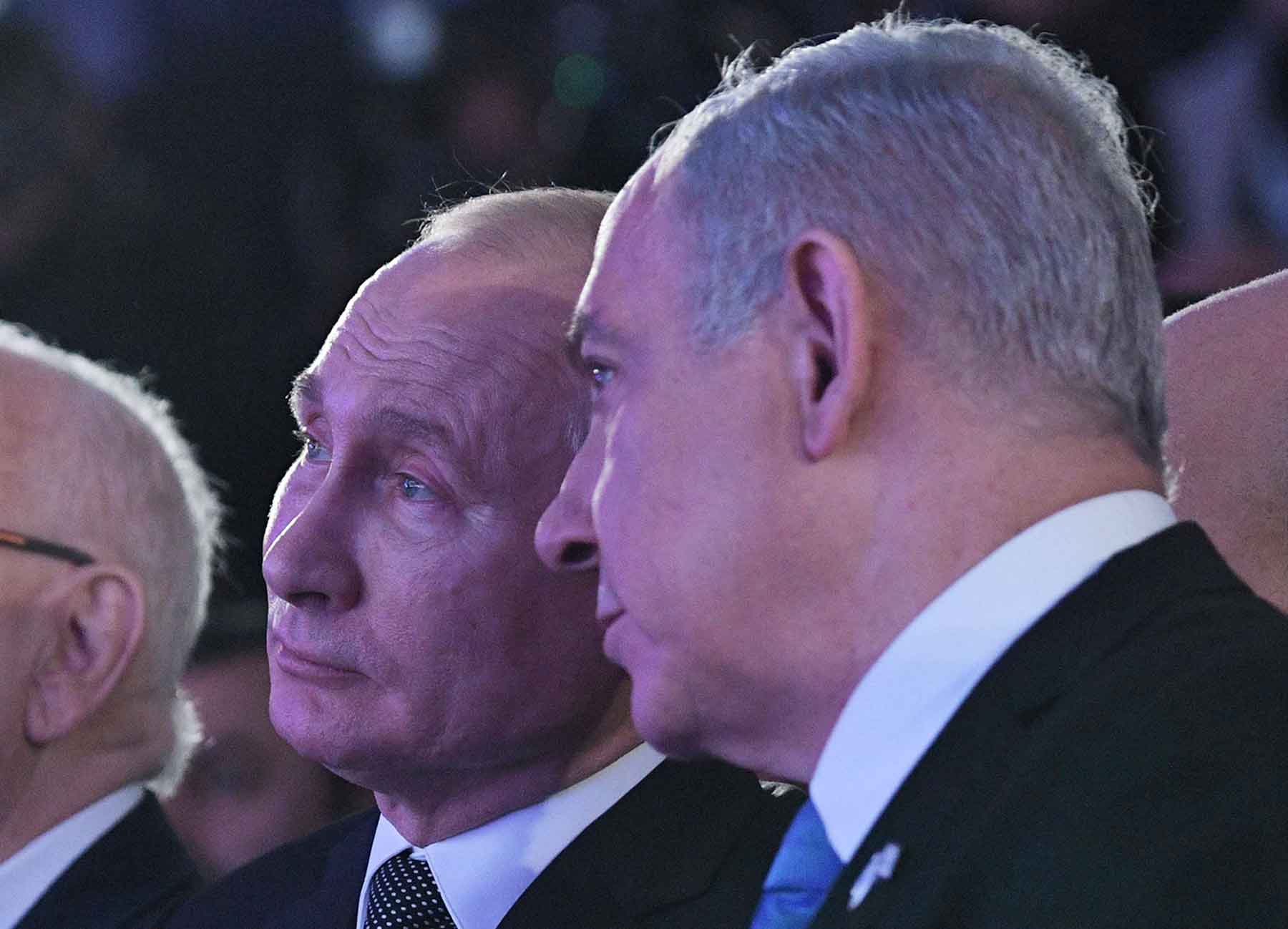
Israeli Prime Minister Benjamin Netanyahu reportedly asked Russian President Vladimir Putin to convey reassurances to Tehran that Israel does not intend to launch attacks, amid concerns that Iran could strike pre-emptively during ongoing domestic protests.
According to Israeli state media citing unnamed diplomatic sources, Netanyahu asked Putin to deliver messages emphasising Israel’s lack of intent to escalate tensions. These communications, including phone calls between the two leaders, were relayed recently to Iranian officials to reduce the risk of Tehran taking pre-emptive military action.
The move follows similar mediation in October, when Putin stated he had been asked to pass messages to Iran indicating Israel’s desire to avoid escalation. Despite these assurances, Israeli security officials reportedly remain concerned that Iranian authorities may interpret the situation as a temporary tactical pause rather than a genuine de-escalation, prompting precautionary measures.
The concern comes amid heightened Israeli warnings that any attack on the country would trigger severe consequences. Analysts note that media campaigns amplifying the perception of an imminent strike could inadvertently provoke Iran, raising the risk of a pre-emptive response that might ignite broader regional conflict.
Israel has previously carried out military operations targeting Iranian assets, with US support, including a 12-day strike in June last year on Iran’s nuclear facilities. These attacks, coupled with US-led measures against Tehran, significantly strained prospects for a diplomatic resolution to Iran’s nuclear programme and deepened mutual hostility.
Both Israel and Iran continue to regard each other as primary adversaries, trading accusations of sabotage, cyberattacks and military provocations. Israeli officials are reportedly preparing to brief the United States on the latest intelligence regarding Iran’s ballistic missile development, ahead of upcoming talks between Netanyahu and US President Donald Trump, signalling ongoing concern over Tehran’s strategic intentions.
The situation underscores the delicate balance in the region, where miscalculations or misperceptions could rapidly escalate into open confrontation. Israeli security planners are focused on preventing overreaction while maintaining a posture of deterrence, yet the persistent tension highlights the fragility of regional stability.