


Potential consequences for Israel’s right-wing parties are significant
Joint Arab list could tip the balance in upcoming Israeli elections
High Arab turnout could undermine smaller right-wing factions, such as the Religious Zionist Party led by Finance Minister Bezalel Smotrich.
Monday 26/01/2026
Potential consequences for Israel’s right-wing parties are significant
JERUSALEM – Palestinian political dynamics within Israel are poised to play a decisive role in the upcoming Knesset elections after leaders of four major Arab parties signed a pledge to form a joint list, a move analysts say could reshape the country’s political landscape.
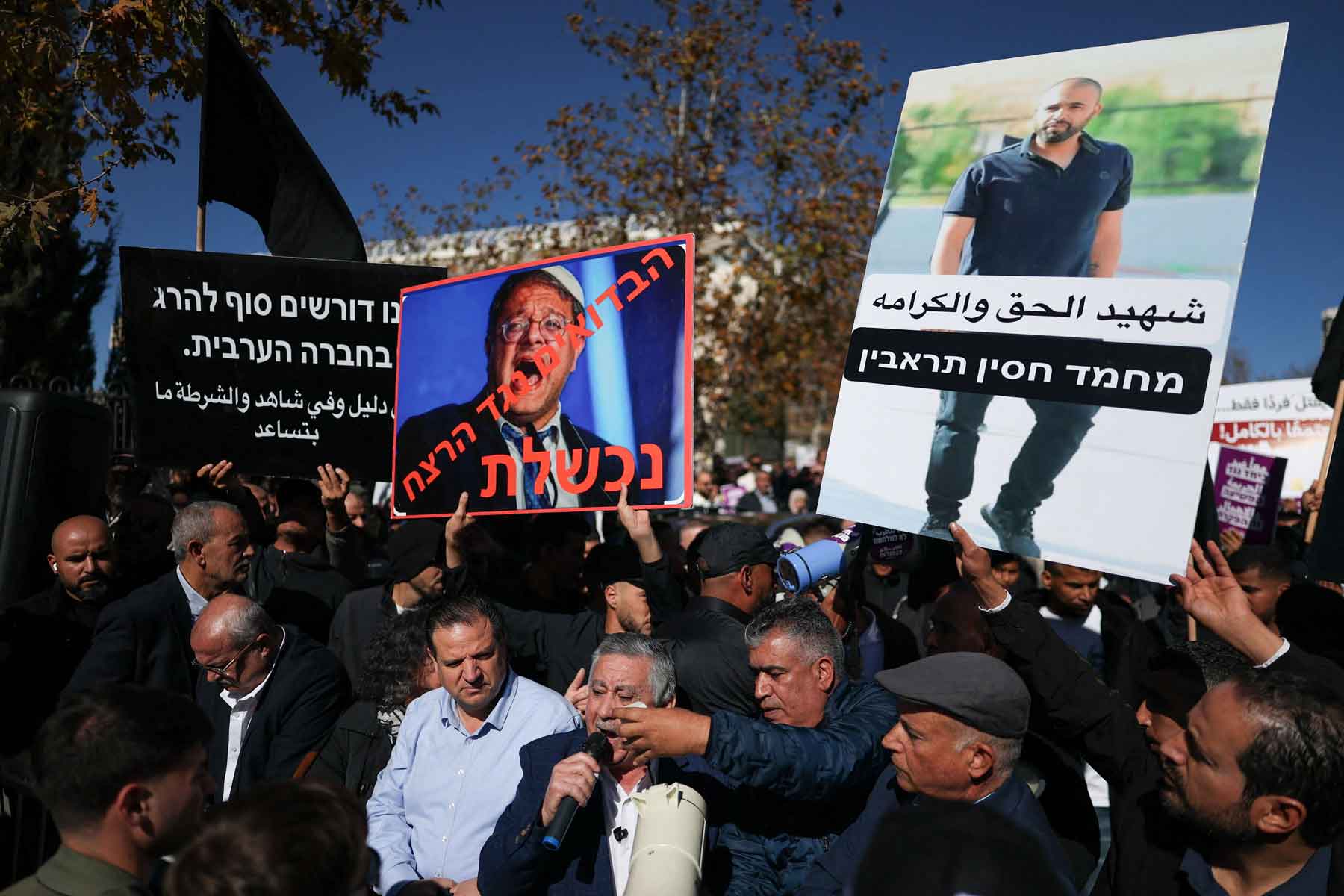
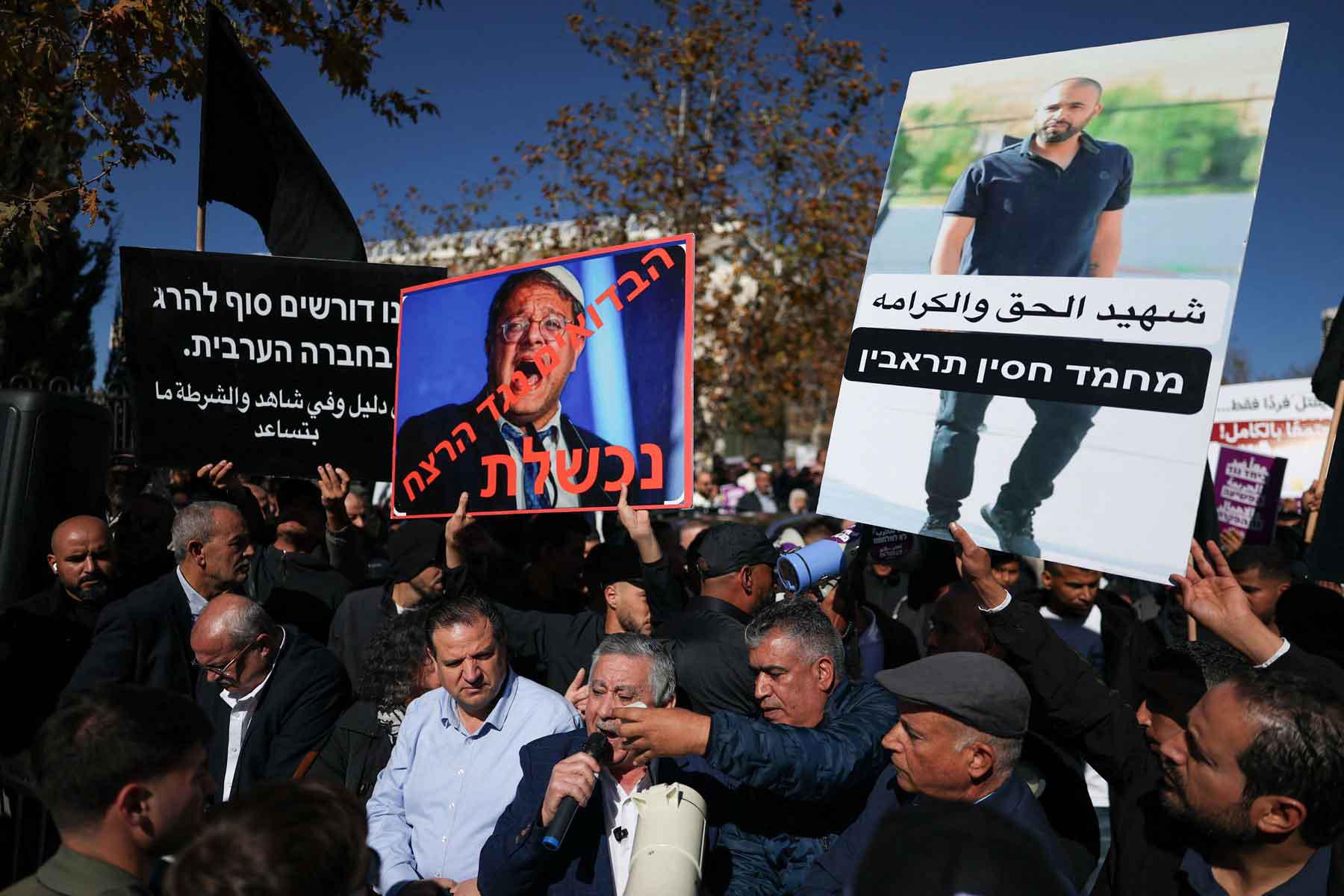
The agreement, reached on Thursday in the northern city of Sakhnin, involves the Democratic Front for Peace and Equality, Hadash alliance, (secular), led by Ayman Odeh; the Arab Movement for Change (nationalist), led by Ahmad Tibi; the National Democratic Assembly (nationalist), headed by Sami Abu Shehadeh; and the United Arab List (Islamic), led by Mansour Abbas. The coalition comes amid widespread public pressure for Arab unity, highlighted by tens of thousands joining marches against crime in Arab communities.
According to political experts, the decision to pursue a unified Arab list carries significant implications for voter turnout among Israel’s Arab population, which makes up roughly 21 percent of the country’s 10 million residents. A consolidated Arab vote could increase representation in the 120-seat Knesset from the 10 seats projected in current polls to as many as 15 or even 17 seats if turnout rises.
However, analysts caution that the pledge is only a preliminary step, with numerous unresolved issues. “The devil is in the details,” said Wadie Abunassar, an expert on Israeli politics.
“Agreements must be reached on the political programme, seat distribution among the parties, who will lead the list, and the stance toward Jewish opposition parties. Will the Arab bloc support a potential opposition government, or not? There are divergent views even within the Arab parties themselves.”
Abunassar added that the coalition could be “technical,” designed primarily to maximise votes on election day, after which individual parties might act independently within the Knesset. Yet he stressed the pressure from Arab voters for unity is substantial, making a joint list politically compelling.
The potential consequences for Israel’s right-wing parties are significant. High Arab turnout could undermine smaller right-wing factions, such as the Religious Zionist Party led by Finance Minister Bezalel Smotrich, which risks failing to surpass the 3.25 percent electoral threshold. Conversely, a high turnout could also mobilise votes for other religious and right-wing parties, meaning the Arab bloc would need strong participation to remain competitive.
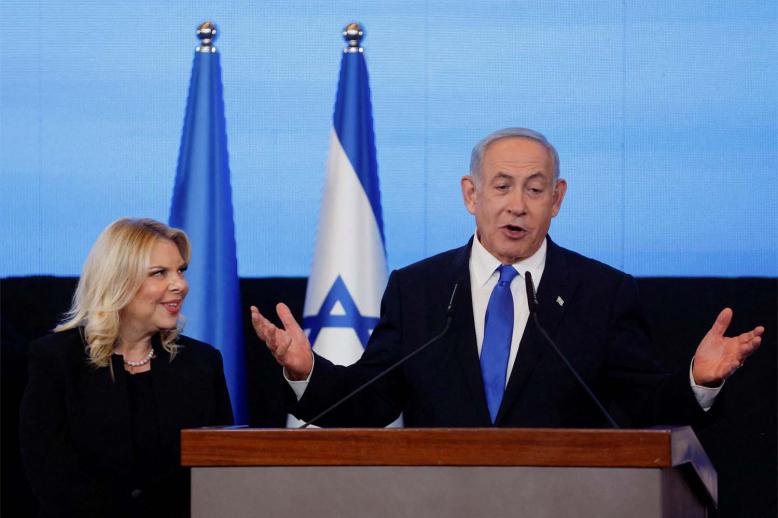
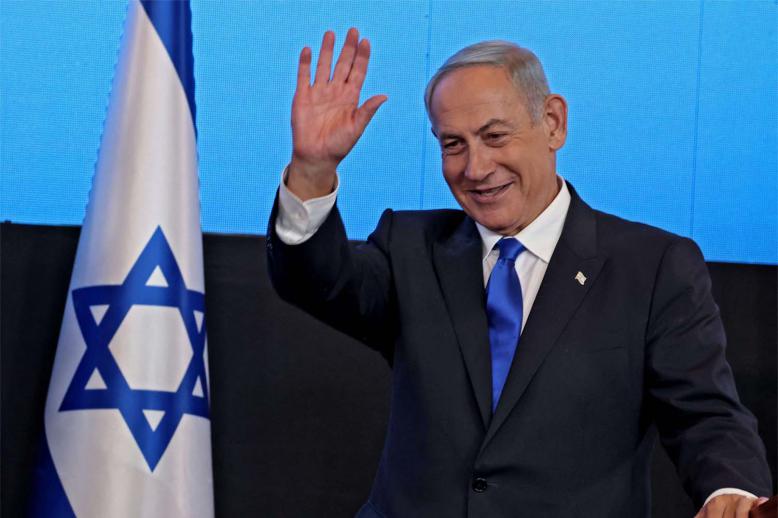
Prime Minister Benjamin Netanyahu has historically encouraged alliances among right-wing parties to consolidate votes, as seen in previous elections with Itamar Ben-Gvir’s Otzma Yehudit. A strong Arab coalition could therefore complicate his path to forming a government.
Analyst Muhammad Halsa said the Jewish opposition is watching developments with concern, hoping that internal divisions among Arab parties might prevent a unified list. Yet, if Arab parties consolidate, their bloc could act as a kingmaker, potentially providing the support necessary for opposition factions to reach the 61-seat majority required to form a government.
“The key question is whether the Arab parties, or at least some of them, will support opposition parties to prevent Netanyahu from forming a government,” Halsa explained. “The outcome could determine not just the next government, but the strategic role of the Arab vote in Israeli politics for years to come.”
Historically, Arab parties have formed joint lists with varying success. The original “Joint List” in 2015 secured 13 seats, repeated in 2019, and won 15 in 2020. The coalition broke apart in 2021 and 2022, with individual parties winning fewer seats and reducing their influence. The current push reflects both the lessons of past elections and growing voter demand for unified representation.
Political observers emphasise that while Arab unity is not guaranteed, it is now a decisive factor in Israel’s electoral calculus. The coming months will reveal whether the pledged coalition can overcome internal differences, agree on a common platform, and turn public enthusiasm into tangible political power, potentially reshaping the balance within the Knesset and influencing the composition of Israel’s next government.