

A need to put the Kurdish house in order
KDP presses for united Kurdish front before talks with Baghdad
The KDP is banking on the popular momentum it secured in the most recent elections, winning the support of more than 1.1 million voters.
Saturday 20/12/2025
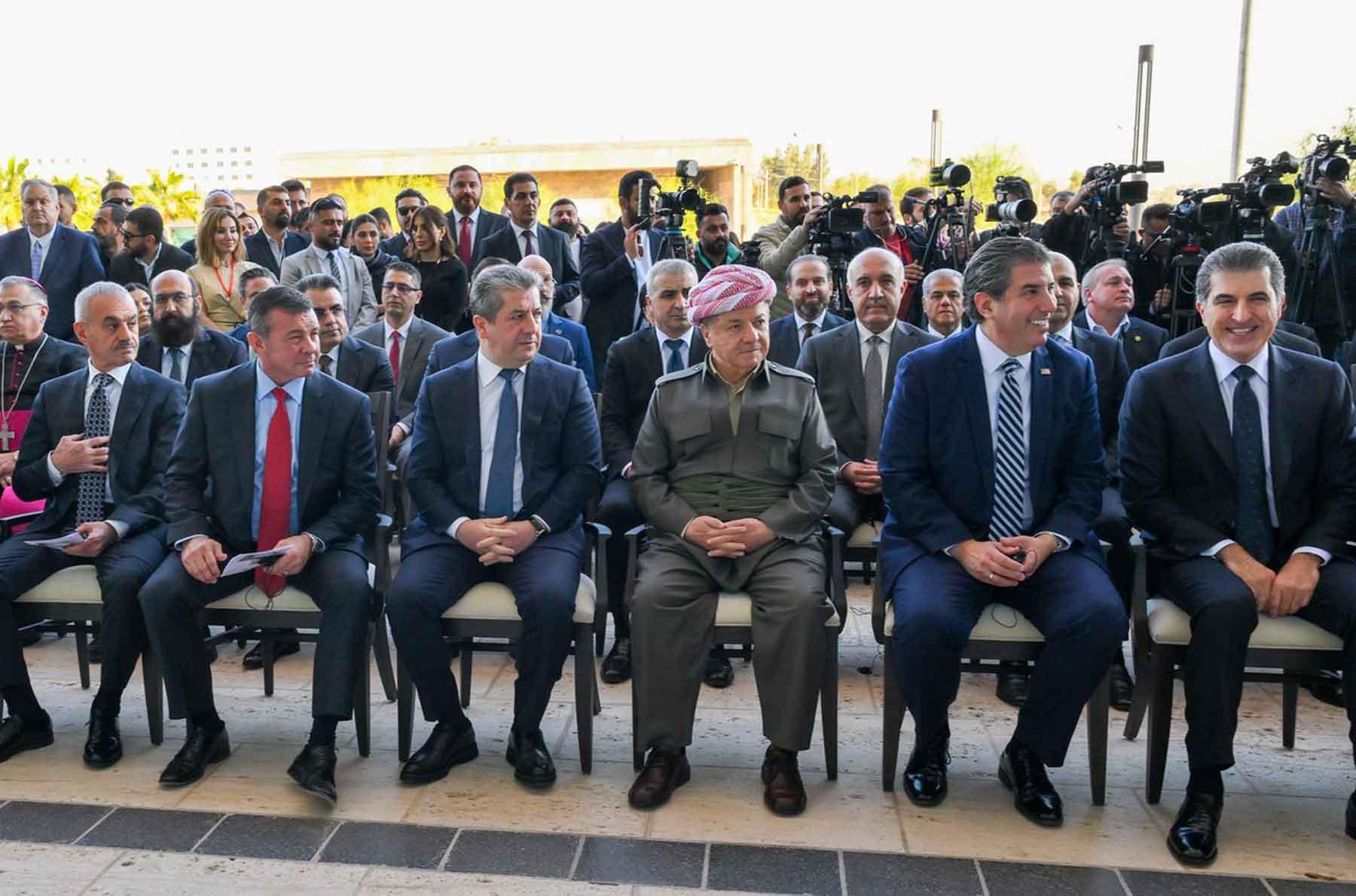
A need to put the Kurdish house in order
ERBIL –
The Kurdistan Democratic Party (KDP) called for the swift formation of a Kurdistan Regional Government before engaging in negotiations with Baghdad, in a politically sensitive moment where constitutional deadlines intersect with complex internal and regional challenges.
The call reflects more than short-term tactical considerations. Instead, it underscores a political vision that sees putting the Kurdish house in order as a prerequisite for strengthening the region’s negotiating position and safeguarding political stability.
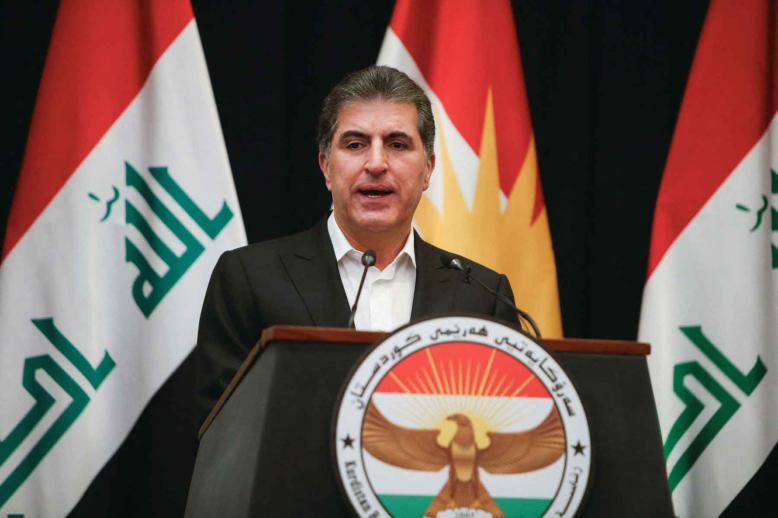
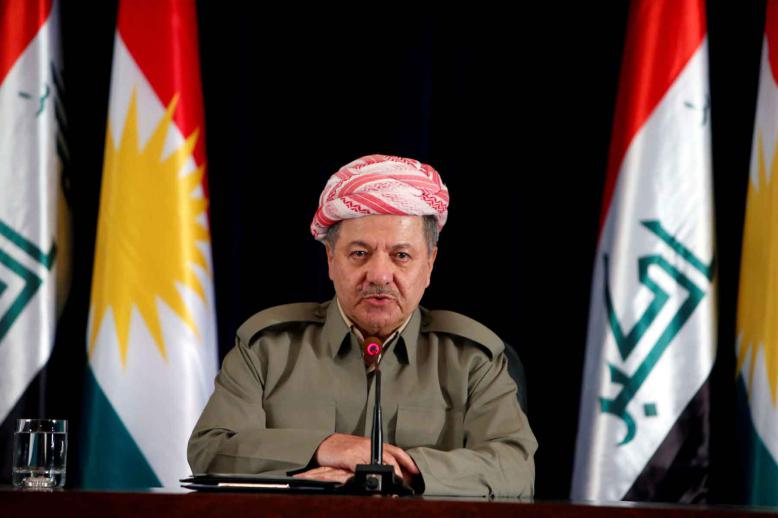
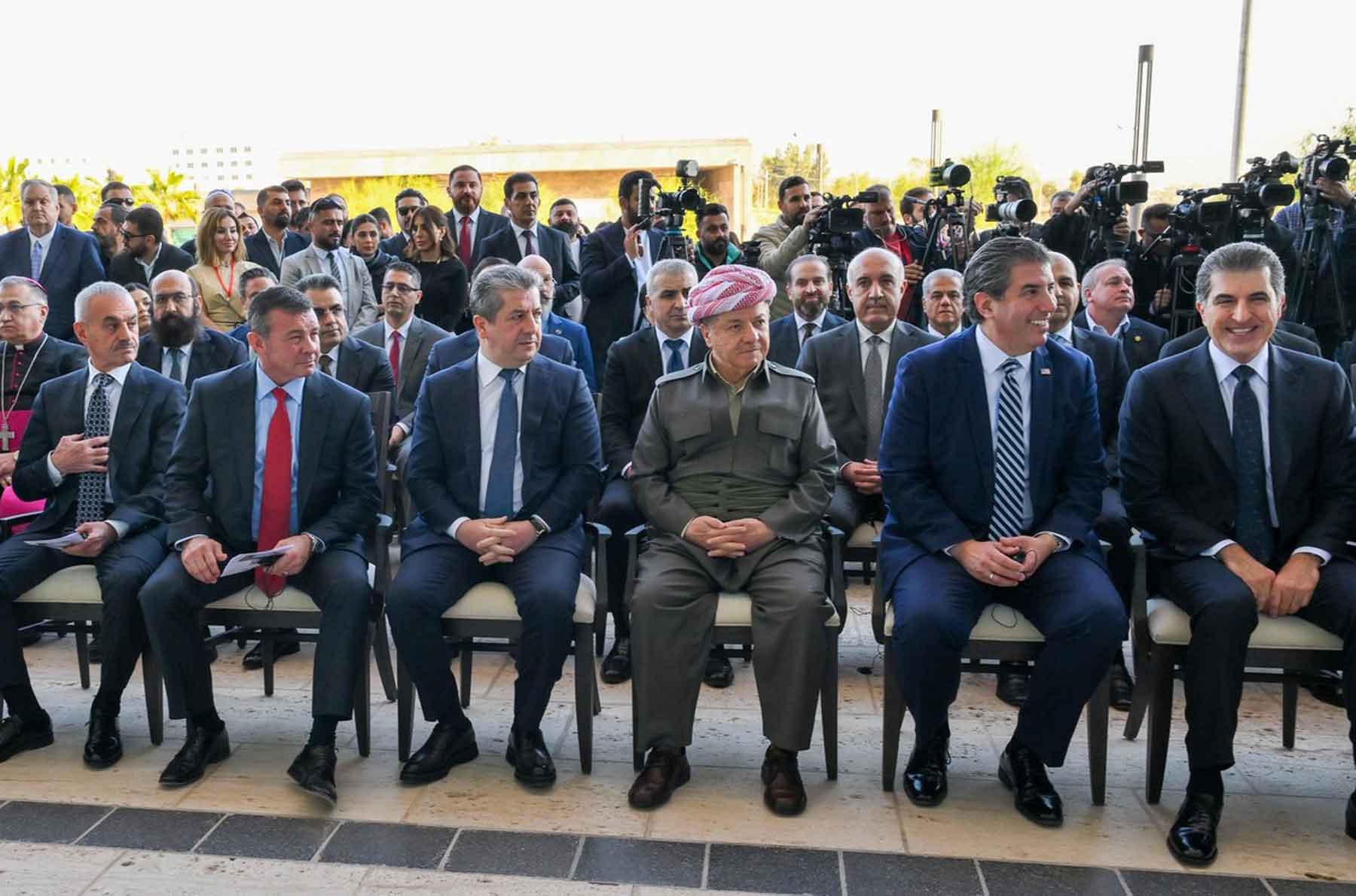
A meeting of the party’s central committee, chaired by Masoud Barzani and attended by Nechirvan Barzani, highlighted growing concern that the continued political vacuum in the Kurdistan Region, particularly delays in activating parliament, electing a regional president and forming the tenth cabinet, has become a burden on the political landscape and risks eroding hard-won gains of recent years.
From this standpoint, the KDP stressed the need to separate the process of forming the regional government from negotiations with Baghdad, arguing that conflating the two weakens, rather than reinforces, the Kurdish position.
Following the ratification of the Kurdistan parliament election results, the KDP launched a broad political outreach effort, dispatching senior delegations to various political forces in a bid to form a broad-based government. The move reflects an approach rooted in partnership and openness, including towards parties that have opted for opposition roles, in line with the party’s discourse on respecting voters’ will and political pluralism in the region.
On dialogue with the Patriotic Union of Kurdistan (PUK), the KDP acknowledged a stalemate in talks, attributing it to what it described as misreadings of the previous phase. It nonetheless insisted that the door to dialogue remains open, but on new foundations grounded in the latest election results and their implications.
This position signals an attempt to recalibrate relations between the region’s two main parties, distancing them from deferred bets or calculations tied to issues beyond the Kurdistan Region.
At the same time, the KDP is banking on the popular momentum it secured in the most recent elections, winning the support of more than 1.1 million voters. This result has bolstered its standing both within the region and nationally, and is seen by the party as the culmination of a long political trajectory associated with the Barzani approach and its ability to maintain a cohesive support base despite economic and political crises.
According to the party’s view, this electoral weight carries heightened political responsibility, whether through swiftly forming a stable government capable of addressing internal challenges, or through effective representation in Iraq’s federal parliament to advance service-related legislation and exercise oversight over the central government.
On Kurdish national rights in Baghdad, the KDP advocates a clear approach centred on unifying the Kurdish stance and negotiating with a single voice, away from partisan fragmentation. It says partnerships with Shia and Sunni blocs should rest on balance and consensus, while firmly upholding constitutional entitlements, notably Article 140, the oil and gas law, the establishment of the Federation Council, and resolving disputes over the budget and salaries.
This vision is closely tied to the party’s reading of regional developments. It sees shifts in Turkey regarding the Kurdish issue and debates over Syria’s future, as potential political and economic opportunities, provided the Kurdistan Region is internally stable and cohesive.
The KDP’s push to form a regional government before heading to Baghdad reflects a deeply held belief that Kurdish strength at the centre flows from unity at home. Consolidating political stability, activating institutions and building on existing gains despite mounting challenges, the party argues, offer the most realistic path to protecting the region’s rights and reinforcing its role within Iraq’s governing equation.