

A conflict locked in military stalemate
Khartoum welcomes UN proposal for prisoner exchange with RSF
Limited exchanges have taken place in some combat zones through tribal and local mediation, but these remained isolated arrangements.
Friday 26/06/2026
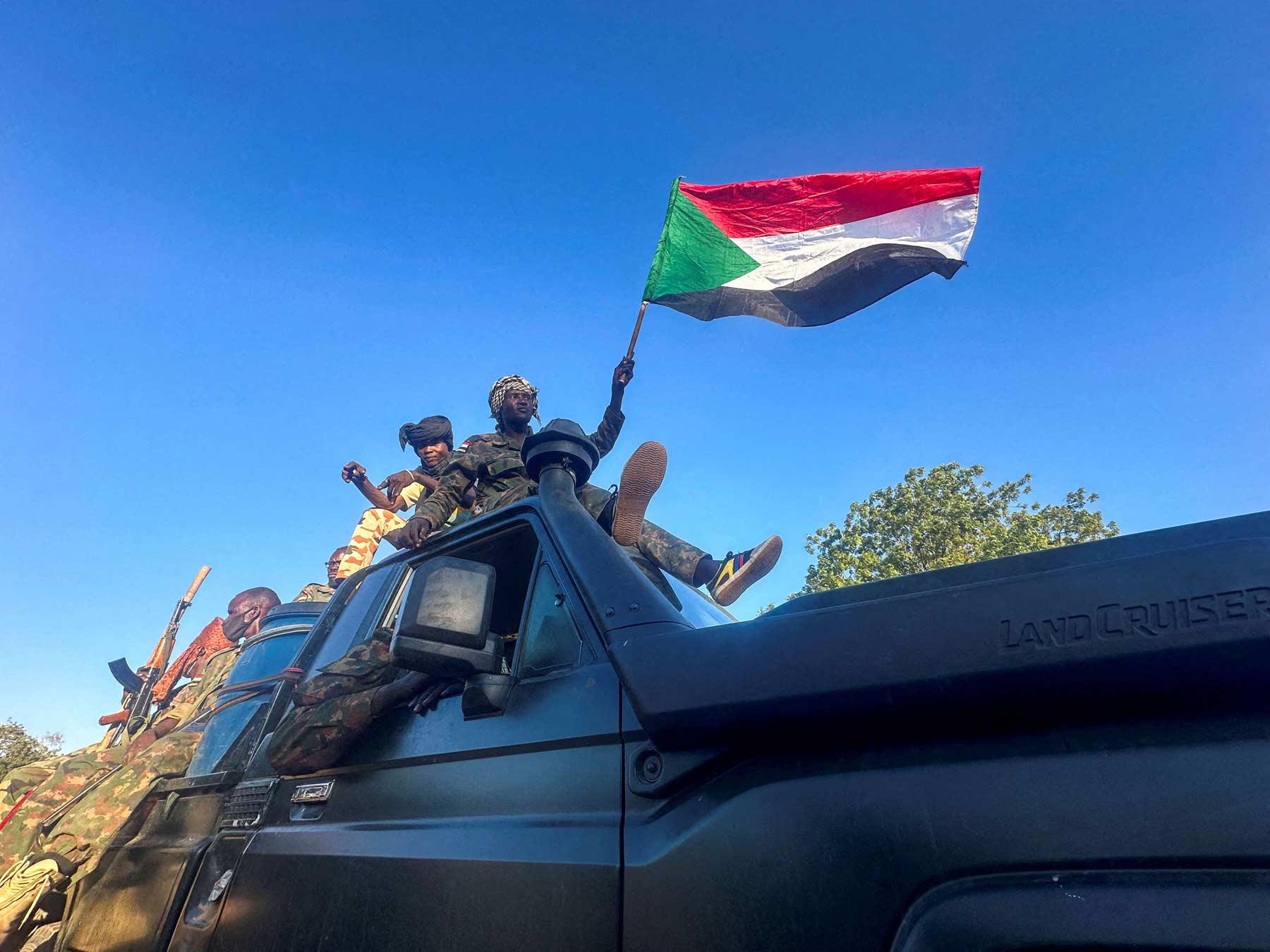
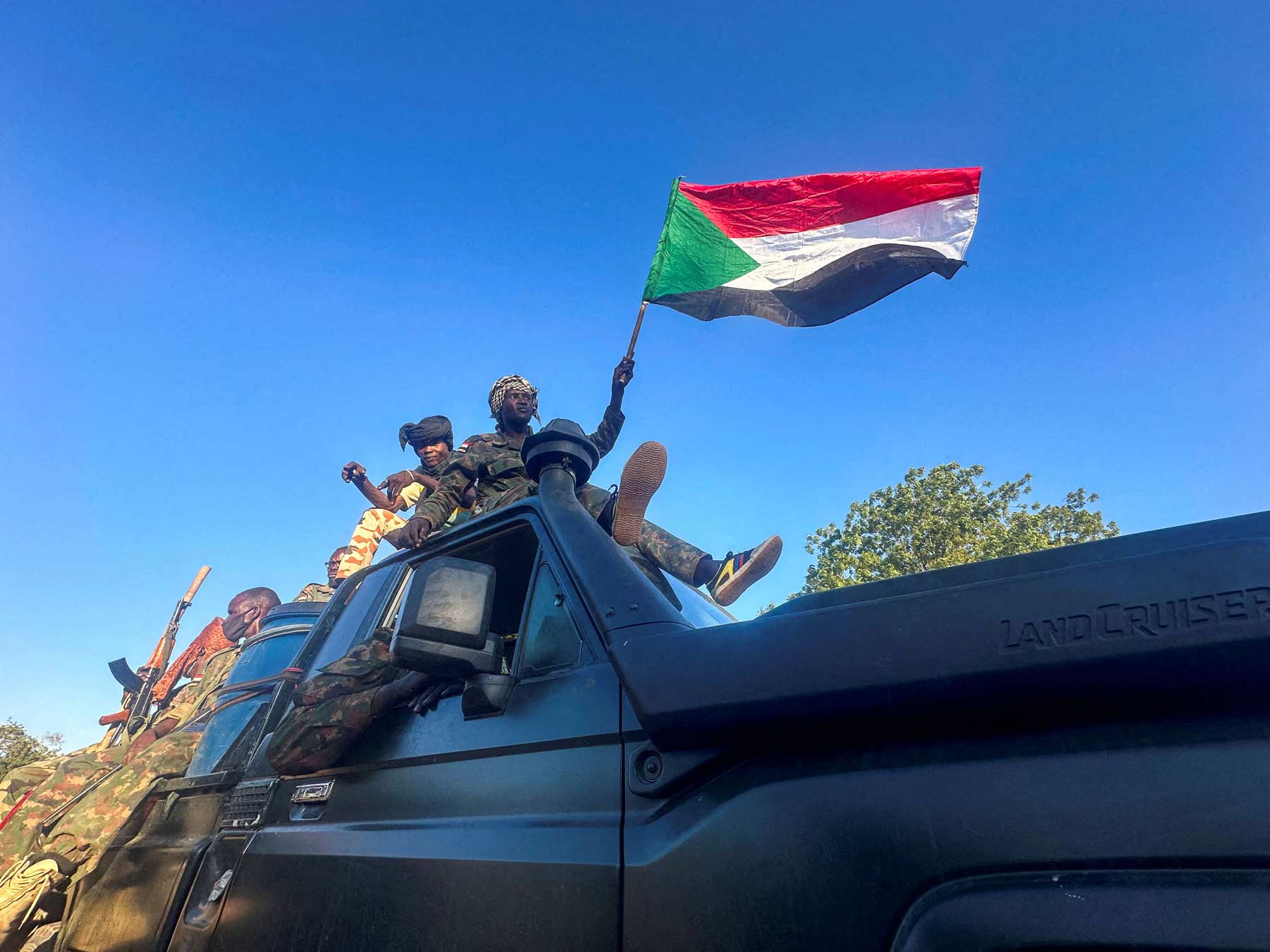
A conflict locked in military stalemate
KHARTOUM – Sudan's government on Thursday welcomed a United Nations initiative aimed at facilitating a prisoner exchange between the Sudanese army and the paramilitary Rapid Support Forces (RSF), raising hopes of progress on one of the conflict's most intractable humanitarian issues after more than three years of war.
The proposal, put forward by UN Secretary-General's Personal Envoy to Sudan Pekka Haavisto, calls for close coordination between the envoy's office and the International Committee of the Red Cross (ICRC) to facilitate any future prisoner exchange, in a move intended to ease humanitarian suffering and build a measure of confidence between the warring sides.
Sudanese Foreign Minister Mohieddin Salem said Khartoum viewed the initiative positively, describing it as the first publicly known international effort specifically focused on a prisoner swap since fighting erupted in April 2023.
In a press statement, Salem said the government welcomed the proposal, which envisages cooperation between the Sudanese authorities, the UN envoy's office and the ICRC.
He added that the government remained committed to protecting Sudanese citizens across the country and would adhere to established legal and international frameworks governing prisoner-of-war exchanges, while stressing that safeguarding the lives of Sudanese remained its foremost priority.
The RSF has yet to issue an official response, leaving the initiative's prospects dependent on whether both parties are willing to engage in practical arrangements under UN auspices.
The proposal comes as Sudan's war enters its fourth year, with the prisoner issue emerging as one of the conflict's most pressing humanitarian challenges alongside stalled political negotiations and continuing military operations across multiple fronts.
The ICRC is widely regarded as the organisation best placed to oversee any exchange because of its extensive experience in organising detainee releases, supervising transfers and verifying conditions of detention in accordance with international humanitarian law. The organisation has previously played similar roles during various stages of the conflict under limited understandings reached between the rival parties.
Since the outbreak of fighting, both the Sudanese Armed Forces and the RSF have detained large numbers of military personnel and civilians, including officers, soldiers, government employees and civilians accused of supporting or collaborating with the opposing side.
Although prisoner exchanges have featured in several rounds of negotiations, including the Jeddah talks and initiatives sponsored by the United Nations, the African Union and the Intergovernmental Authority on Development (IGAD), none progressed beyond preliminary discussions because of repeated breakdowns in negotiations and the absence of mutual trust.
Limited exchanges have taken place in some combat zones through tribal and local mediation, but these remained isolated arrangements linked to specific battlefield circumstances and never developed into a permanent nationwide mechanism.
At the same time, concern continues to grow over the treatment of detainees held by both sides. A UN fact-finding mission has documented allegations of torture, ill-treatment, denial of medical care and the detention of prisoners incommunicado in detention centres controlled by the rival forces.
The mission has also reported that thousands of detainees are believed to be held in prisons controlled by the RSF, particularly in the Darfur region, amid growing fears of enforced disappearances.
Earlier this month, the Sudanese government formally requested UN intervention to secure the release of more than 20,000 prisoners it says are being held by the RSF in North and South Darfur. The paramilitary force is also believed to be holding thousands of additional detainees at facilities elsewhere across Darfur and the Kordofan regions.
Khartoum has not disclosed the number of RSF fighters captured by government forces during the conflict.
The army and the RSF continue to trade accusations over responsibility for abuses against detainees, while the United Nations and the ICRC have repeatedly called for unrestricted access to detention facilities to verify conditions and ensure compliance with international humanitarian law.
However, those efforts continue to face major obstacles as fighting persists across Sudan, leaving any meaningful progress on prisoner exchanges contingent on the emergence of political and security conditions that have yet to materialise.