

A killing that revives narratives of injustice and squandered sovereignty
Killing of Seif al-Islam Gadhafi sparks new momentum for loyalists
The killing of Seif al-Islam could act as a catalyst for the mobilisation of morale and symbolism among loyalists.
Thursday 05/02/2026
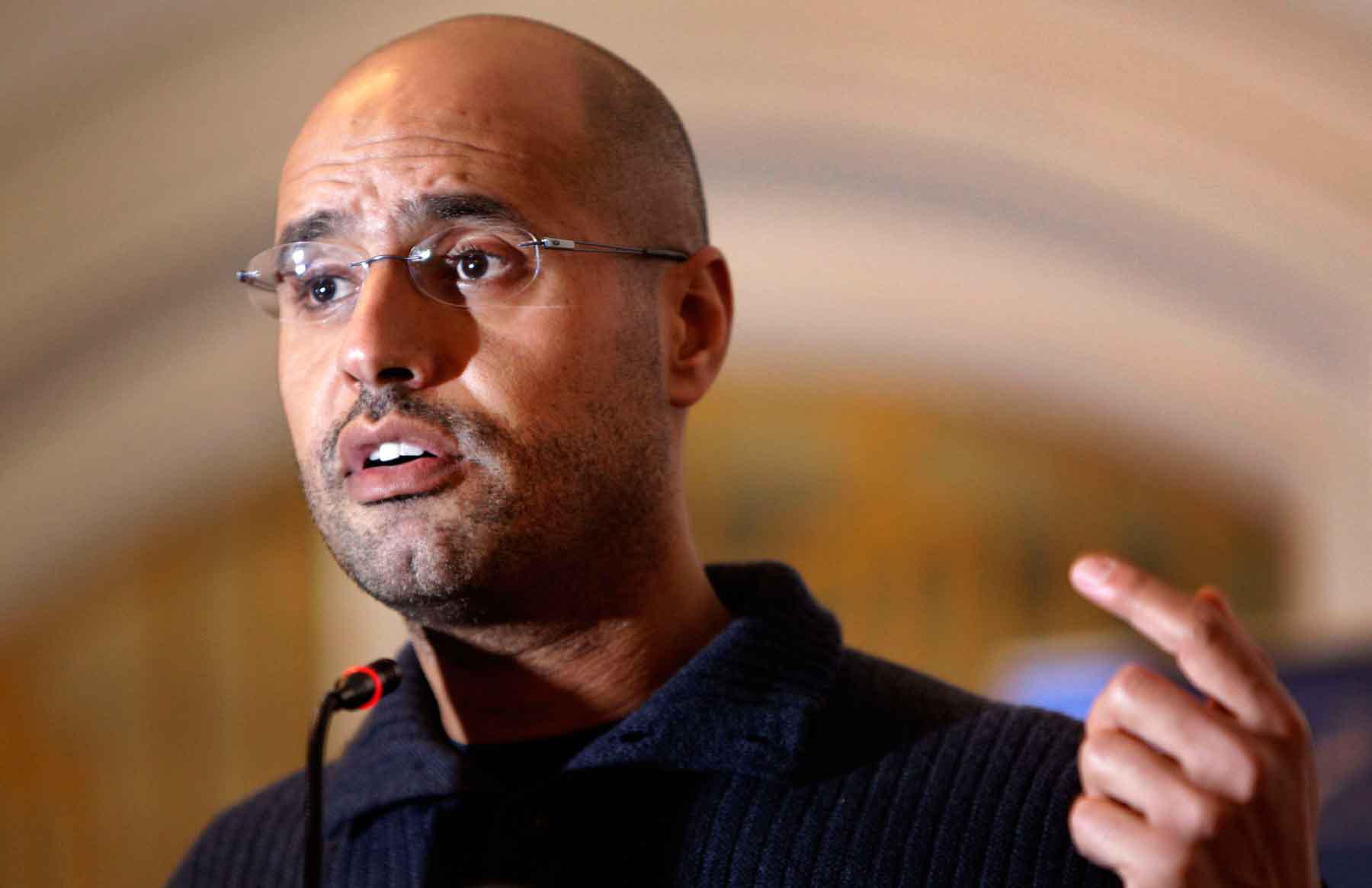
A killing that revives narratives of injustice and squandered sovereignty
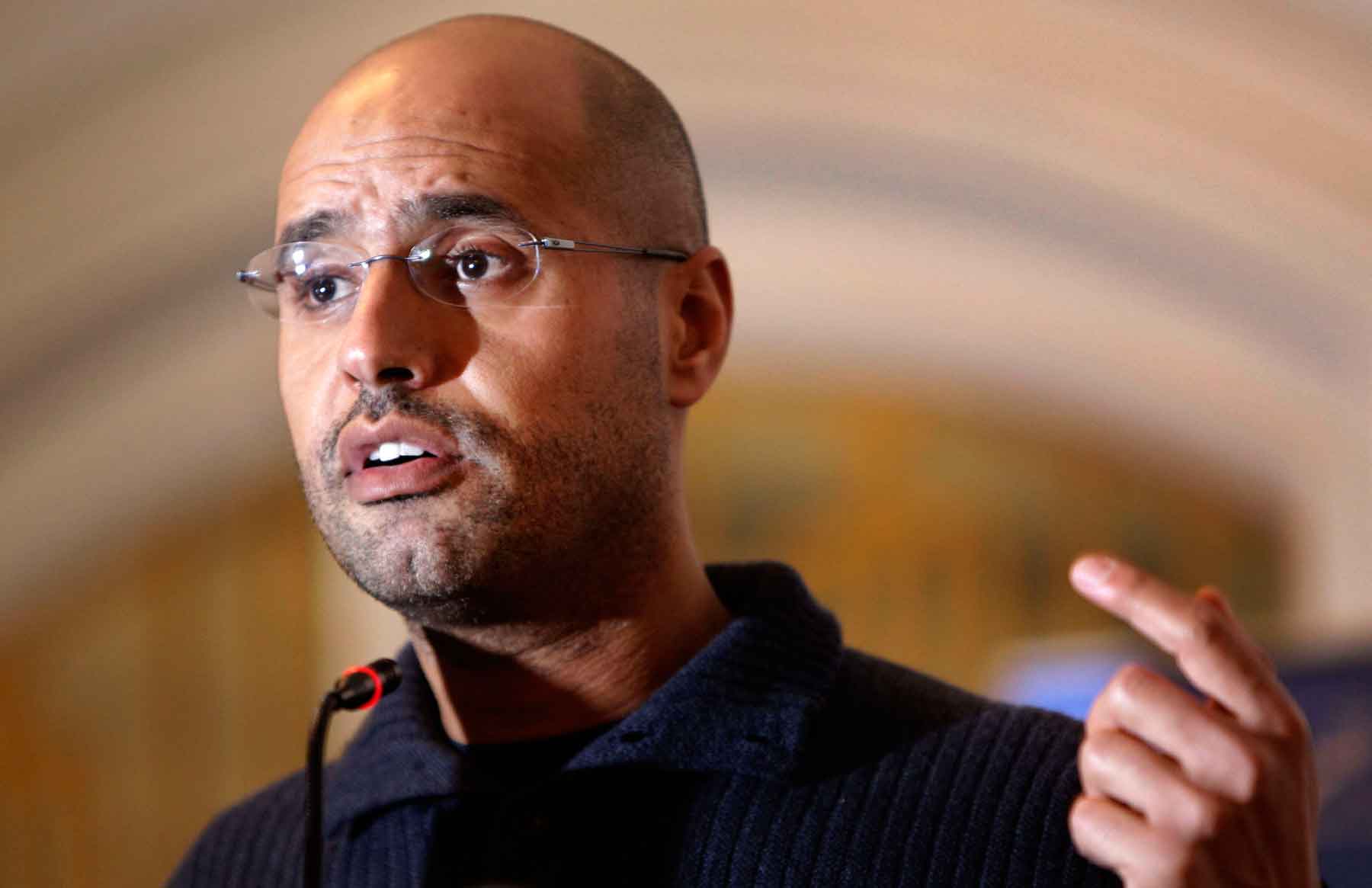
TRIPOLI – The assassination of Seif al-Islam Gathafi has once again reshuffled the complex political and security landscape in Libya, reigniting tensions not only among rival factions but also within the ranks of former regime loyalists. The killing has prompted a surge in defiant rhetoric from supporters of the former regime, who insist that this event will not mark the end of their project, but rather a new phase in what they describe as a long struggle to restore the state and reclaim Libya’s sovereignty.
In an extensive statement described as “highly significant,” loyalists of the former regime reaffirmed their commitment to the so-called “Blood Pact” and the broader initiative of “restoring Libyan sovereignty.” They framed their actions as reflecting an “iron-willed determination” resistant to breaking, sending a clear message to both domestic opponents and external actors they accuse of manipulating Libya’s national decision-making.
The Blood Pact is defined by the loyalists as a symbolic and binding commitment among members to maintain unity, uphold the legacy of their leaders, and pursue the restoration of Libya’s sovereignty and national identity.
Despite the defiant tone, analysts caution that the capacity of Gathafi loyalists to effect substantial changes in the balance of power remains limited, particularly in a landscape dominated by a patchwork of militias and a deeply divided political system. Yet the assassination may provide them with renewed symbolic momentum, thrusting their agenda on sovereignty, national identity and Libya’s future back into the spotlight.
Observers note that, while the rhetoric of the former regime’s supporters is politically charged and symbolically potent, it confronts a challenging on-the-ground reality. Libya’s security environment is fragmented, controlled by multiple armed groups with differing allegiances, alongside divided institutions that lack a unified authority.
The absence of a cohesive military wing and effective political infrastructure constrains the movement’s ability to translate statements into tangible influence, particularly in a context of ongoing foreign interventions and overlapping regional and international interests.
Nevertheless, the killing of Seif al-Islam could act as a catalyst for the mobilisation of morale and symbolism among loyalists. It is viewed as an event that revives narratives of injustice and squandered sovereignty, potentially granting the faction fresh political and media visibility. This may allow them to reassert themselves as an active force in public discourse, especially on matters related to national identity and independent decision-making, even if practical influence remains limited by the prevailing balance of power.
The statement underlined that this movement is not merely nostalgic for a bygone era, but stems from a comprehensive political vision rooted in what loyalists describe as a socially, culturally, and politically established identity. They present themselves as a “solid national bloc” rejecting foreign dependency and interference, amid what they perceive as political disarray and fragmented centres of decision-making within the country.
Supporters of the former regime emphasised that their activities form part of a “prolonged national struggle” that has been ongoing since 2011. They insisted that they have paid “a high price” and made significant sacrifices along the way, which they say culminated in the “martyrdom of Seif al-Islam Gathafi,” whom they hailed as a “national symbol assassinated in an attempt to abort the national dream.”
The statement argued that the killing of leadership figures would not achieve the objectives pursued by their adversaries, asserting that “the treacherous hands that targeted our leaders misjudged the consequences.” They stressed that grand projects cannot be reduced to individuals, and that the ideas for which blood was shed have become deeply ingrained in the consciousness of a wide segment of Libyans, nurtured further by younger generations raised to resist defeat and uphold sovereignty.
A direct message was issued to those hoping to fracture their ranks through political or security attacks, with loyalists insisting that they are now more unified and organised than ever, forming a single “bloc that does not accept division or fragmentation.” They reaffirmed their commitment to what they described as the political battle to restore state authority, preserve Libya’s unity and protect the country’s independent decision-making.
The statement also stressed that targeting symbols would only strengthen adherence to their vision, asserting that while leaders may be physically absent, their presence endures in the collective consciousness, and that major ideas cannot be silenced “by the bullets of betrayal.”
This surge in defiant rhetoric followed the killing of Seif al-Islam in Zintan on Tuesday, when his home was reportedly stormed by four armed men. Officials confirmed he was shot dead, and described the assassination as a crime that will not go unpunished. The office of the Attorney General has pledged to identify the perpetrators and bring them to justice.